Best Yeast for Blueberry Wine to Elevate Flavor and Fermentation
Choosing the right yeast is key to unlocking the full potential of blueberry wine. The yeasts below are widely used by home winemakers for reliable fermentations, clean profiles, and good aroma development when working with blueberry musts. This guide highlights five top options, with brief notes on what makes each suitable for blueberry wines and how they perform across temperatures and sugar levels.
Summary of Selected Products
| Product | Brand | Key Benefit | Notes |
|---|---|---|---|
| Lalvin EC-1118 Wine Yeast (10 Pack) | Lalvin | Reliable fermentation; broad temperature tolerance | Champagne yeast, good for fruit wines |
| Red Star Premier Classique | Fermentis / CAPYBARA | Fast start and strong fermentation | Wide temperature range, good for limited controls |
| Lalvin K1-V1116 | Lalvin | Flavor development with robust fermentation | Often chosen for medium to strong body wines |
| Lalvin 71B | Lalvin | Enhanced mouthfeel and fruity aroma | Popular for fruit-forward wines |
| 11 Packs Red Star Premier Blanc | Red Star | Versatile for dry whites and desserts | 5 g packs; good for versatile musts |
Lalvin EC-1118 Wine Yeast

Includes 10 packs (5 g sachets) of Lalvin EC-1118 wine yeast. Manufactured by Lallemand Inc. and repackaged in Canada by CAPYBARA Distributors Inc. Inoculation rate is 5 g per sachet, suitable for producing between 4.5 L and 23 L batches. EC-1118 is renowned for its clean fermentation and versatility with fruit wines, including blueberry blends.
Red Star Premier Classique

Includes 10 packs (5 g sachets) of Red Star Premier Classique. Manufactured by Fermentis (Lesaffre) and distributed by CAPYBARA Distributors Inc. This strain starts fermentation quickly and tolerates a wide temperature range (14–30°C). It performs well in musts with varying nitrogen levels and sulfur dioxide presence, making it a reliable choice for blueberry wines with robust fermentation behavior.
Lalvin K1-V1116

Includes 10 packs (5 g sachets) of Lalvin K1-V1116 wine yeast. Manufactured by Lallemand Inc. and repackaged by CAPYBARA Distributors Inc. Inoculation rate is 5 g per sachet, suitable for batches from 4.5 L to 23 L. K1-V1116 is noted for producing well-rounded wines with good aroma complexity, making it suitable for blueberry wine aiming for subtle floral notes.
Lalvin 71B Wine Yeast

Includes 10 packs (5 g sachets) of Lalvin 71B wine yeast. Manufactured by Lallemand Inc. and repackaged by CAPYBARA Distributors Inc. Inoculation rate is 5 g per sachet, producing 4.5 L to 23 L batches. 71B is popular for fruit-forward wines, contributing fruity esters and a smoother finish that can complement the blueberry profile.
11 Packs Red Star Premier Blanc
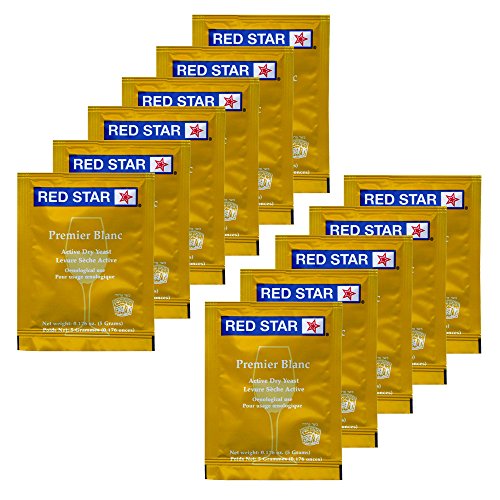
11 Packs Red Star Premier Blanc wine yeast features 5-gram packages, designed for a range of wines including Cabernet, cider, dry whites, and fruit-derived wines such as blueberry. This yeast is valued for dependable fermentation and versatility across different musts, contributing clean fermentation with reliable attenuation.
Buying Guide: Key Purchase Considerations For Blueberry Wine
When selecting a yeast for blueberry wine, consider fermentation performance, aroma development, and how the yeast handles low or fluctuating nutrient levels in the must. Some yeasts favor dry, crisp wines, while others emphasize fruity, fruity aromas and mouthfeel. Temperature tolerance is important if your blueberry must is cool or warm, or if you ferment in a variable environment.
- Fermentation profile: For bright blueberry wines, look for yeasts noted to enhance fruit character without overpowering esters.
- Temperature tolerance: Choose a yeast that performs well within your available fermentation range (roughly 14–30°C is common for many wine yeasts).
- Nitrogen and nutrient tolerance: Some strains tolerate lower available nitrogen. This helps in musts with less nutrient content or high sugar levels.
- Alcohol tolerance: Most wine yeasts tolerate moderate to high alcohol; for blueberry wines, this is typically not limiting unless the must is exceptionally rich and concentrated.
- Aroma and mouthfeel: Some strains contribute more esters and body; others yield clean profiles. Consider the desired style of the final wine.
For blueberry wine production at home, using a well-known wine yeast brand with consistent performance can reduce risk of stuck fermentations. The five selected products above provide options across clean fermentations (EC-1118), fast starts (Premier Classique), and fruit-forward profiles (71B, K1-V1116, Premier Blanc). When making a blueberry must, ensure proper sanitation, adequate nutrients, and appropriate fermentation temperatures to maximize the selected yeast’s performance.
Leave a Reply