Best Yaki Nori Roasted Seaweed for Sushi Home Chefs
Find the right yaki nori roasted seaweed sheets for making sushi, gimbap, and other bite-sized treats at home. This guide highlights five top options, explaining who each product is best for, and why it stands out. Ideal buyers include home cooks seeking restaurant-quality sheets, beginners learning to roll sushi, Keto or vegan lifestyles, and families who want easy, tasty seaweed snacks.
| Product | Best For | Why It Stands Out | Notes |
|---|---|---|---|
| Home sushi lovers; Kimbap makers | Restaurant-quality flavor, 50 sheets, resealable packaging | Contains desiccant; store cool | |
| One Organic Sushi Nori Premium | Organic shoppers; Keto/vegan | USDA Organic; low calorie; nutrient-dense | Simple ingredients list |
| RSD Premium Gold Nori | Foodies; bulk buyers | Crispy, thin sheets; versatile for sushi and wraps | GMO-free and gluten-free |
| KIMNORI Organic Roasted Seaweed | Keto and gluten-free cooks | California facility roast; multiple health standards | Bulk 10–100 sheet options |
| KC KWANGCHEONKIM 100 Sheets | Beginners and professionals | Double-roasted for durability; halal and vegan | Large pack; intact rolling sheets |
CHOI’s 1 Daechun Roasted Seaweed, Gim

This premium-restaurant-grade seaweed is designed for home sushi and kimbap preparation. Best for home cooks who want a strong umami backbone and a crisp texture that holds fillings well. The sheets are roasted twice to maximize crispness, making them suitable for musubi and onigiri as well. The resealable bag plus desiccant helps prolong shelf life and maintain quality. A caution: after opening, store away from humidity and direct sun to prevent sogginess.
ONE ORGANIC Sushi Nori Premium Roasted Organic Seaweed
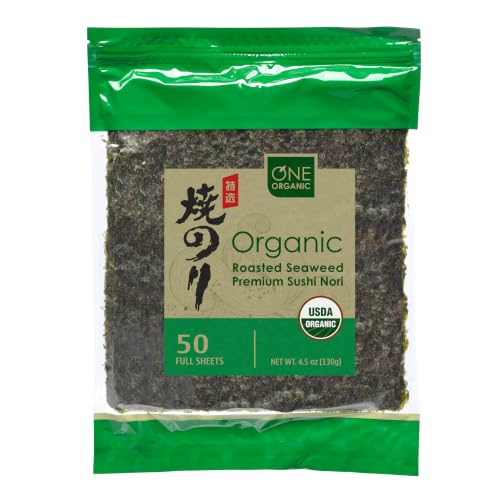
Best for organic-focused shoppers who also want a low-calorie seaweed option. These 50 full sheets are USDA Organic and rich in vitamins and minerals, supporting a health-conscious diet. The sheets are thin and flexible, making them ideal for delicate rolls and quick wraps. A potential limitation is that organic sheets may be pricier than standard options, but many buyers value the organic certification and clean ingredient profile.
RSD – Premium Seaweed Nori Gold

Selected for connoisseurs who want a reliable, non-GMO nori with strong umami and a crisp bite. The 50 full sheets are designed for sushi rolling, onigiri, and snacks, with an emphasis on flavor and texture. Better for experienced rollers who need durable sheets that won’t crack easily. A caution: check whether you prefer a milder or stronger seaweed flavor, as umami intensity varies by batch.
KIMNORI Organic Roasted Seaweed Sushi Nori Sheets

Best for those who want a California-crafted, double-roasted crispness with organic purity. These full-size sheets measure 7.5″ x 8.3″ and are designed for professional sushi preparation as well as home cooking. They are 100% organic, vegan, gluten-free, and non-GMO, offering a reliable base for kimbap and rolls. A limitation is that bulk packaging may be more than needed for casual use, but it suits frequent makers.
KIMNORI Sushi Nori [100 Sheets] Gold Grade

Choose this if you want a bulk option with restaurant-grade durability. The sheets are designed to roll tightly without tearing, and the product emphasizes 100% natural, nutrient-dense seaweed sourced from premium laver. They are vegan, gluten-free, and non-GMO, aligning with plant-based cooking. A potential drawback is the bulk quantity requiring ample storage space.
Surasang Premium Nori Sheets for Sushi & Gimbap

Best for enthusiasts seeking authentic Korean-style roasted seaweed for gimbap and sushi. The package includes 20 full sheets with a naturally salty, umami flavor profile. These sheets offer solid texture and are designed to resist tearing during rolling. A caution: flavor intensity may vary slightly between batches, so adjust fillings accordingly.
Buying Guide: Key Purchase Considerations
What should you consider when choosing yaki nori sheets?
- Organic vs. standard: Organic sheets appeal to health-conscious shoppers and those avoiding pesticides, while standard sheets may offer good value for casual use.
- Sheet size and durability: Larger, double-roasted sheets are easier to roll for beginners and professional chefs alike, reducing tearing during rolling.
- Flavor and texture: Look for crisp, umami-rich sheets. Some brands emphasize stronger roasted notes; others favor milder profiles for delicate fillings.
- Dietary considerations: Vegan, gluten-free, non-GMO, and halal certifications help align with dietary needs; Keto compatibility depends on portioning and fillings.
- Storage and packaging: Desiccants and resealable bags help maintain freshness; refrigerating after opening can extend shelf life for humid climates.
- Use-case fit: For sushi or gimbap, choose sheets with strong rolling integrity. For snacking, a crisper sheet may enhance enjoyment.
Frequently Asked Questions
- What is yaki nori, and how is it used?
Yaki nori refers to roasted seaweed sheets used primarily for making sushi, kimbap, onigiri, and wraps. They provide the essential umami flavor and structural wrap for rice and fillings.
- Are all yaki nori sheets vegan and gluten-free?
Most standard seaweed sheets are vegan and gluten-free, but always check the product details for certifications such as Non-GMO, organic, and gluten-free flags.
- Which sheet size is best for beginners?
Full-size sheets (around 7.5″ x 8.3″) are typically easier for beginners because they require fewer sheets and less tearing during rolling.
- Should I refrigerate roasted seaweed after opening?
Storing in a cool, dry place away from direct sunlight is usually sufficient, but refrigeration can extend freshness in humid environments.
- How many sheets do I need for a standard sushi roll?
A common setup uses one sheet per eight pieces of a standard roll, though this can vary by roll type and rice amount.
Leave a Reply