Best Winter Squash Baby Food Pouches and Purees for 6+ Months and Beyond
Answer: Find baby foods that feature winter squash as a primary ingredient, with simple, recognizable ingredients and appropriate stage progression. These options are best for parents seeking gentle textures, natural flavors, and nutrient-rich vegetables to expand a little one’s palate. This guide highlights five winter-squash-focused products, who they’re best for, and why they were chosen.
Summary Table of Selected Products
| Product | Best For | Why It’s Handy | Notes |
|---|---|---|---|
| Beech-Nut Chicken With Carrots, Peas & Butternut Squash Pouches | Toddler-leaning eaters who need protein | 4 g protein per pouch; no artificial additives | Stage 2; contains meat |
| Gerber Stage 2 Butternut Squash Puree Tub | When you want a simple squash puree | No added salt or artificial colors/flavors | Convenient tub format |
| Happy Baby Savory Blends Stage 2 Squash, Chickpeas & Spinach | Varied textures with veggie-forward flavors | Organic ingredients; no added sugar | Includes avocado oil |
| Beech-Nut Squash, Peas & Pears Veggie Puree | First veggie introductions | Non-GMO; dairy-free & gluten-free | Pure veggie blend |
| Serenity Kids USDA Organic Butternut Squash & Spinach Pouches | Allergen-friendly veggie puree options | Organic; no added sugar | Veggie-first blend |
Beech-Nut Chicken, Carrots, Peas & Butternut Squash Pouches

Best for: Babies who are ready for a higher-protein option. Why: Each pouch includes 4 g of protein from chicken, along with a blend of butternut squash, carrots, peas, and olive oil, helping to keep little eaters full and satisfied between meals. Suitable for stage 2 feeding. Caution: Contains meat; consider stage-appropriate textures and any family dietary guidelines.
Gerber Stage 2 Butternut Squash Puree Tub

Best for: Parents seeking a straightforward squash puree without added flavors. Why: This tub emphasizes butternut squash as the star, with no artificial colors or flavors and convenient on-the-go packaging. Caution: Watch for sodium guidance per your baby’s age and dietary plan.
Happy Baby Savory Blends Stage 2 Squash, Chickpeas & Spinach

Best for: Little eaters who are ready for more complex flavors and textures. Why: A savory blend featuring squash with chickpeas, spinach, and avocado oil aligns with vegetable-forward meals. Caution: Flavors and textures may be more challenging for very new eaters; introduce gradually.
Beech-Nut Squash, Peas & Pears Veggie Puree

Best for: Early veggie introductions with a mild taste profile. Why: Combines squash with peas and pears for a gentle sweetness and full serving of veggies per pouch. Caution: Verify texture suitability for your baby’s stage.
Serenity Kids USDA Organic Butternut Squash & Spinach Pouches
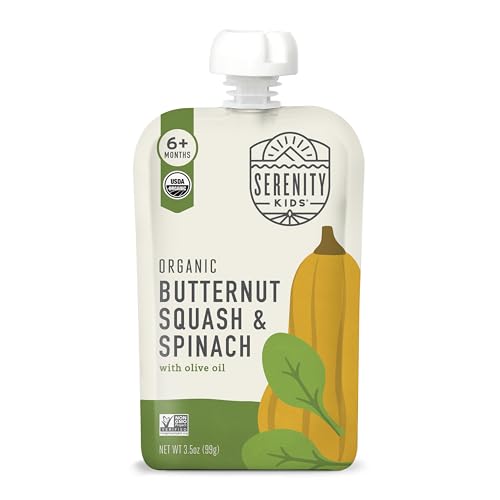
Best for: Parents seeking an organic, allergen-friendly veggie option. Why: Butternut squash and spinach form a simple, nutrient-dense base in a BPA-free pouch. Caution: Organic certification is a plus, but assess whether your baby prefers simpler or more textured meals.
Buying Guide: Winter Squash Baby Food Purchases
- Stage suitability: Consider whether your baby is ready for Stage 1 purees or Stage 2 textures. Stage 2 typically offers smoother textures with more solids than Stage 1.
- Ingredient simplicity: Look for products with recognizable ingredients and no artificial preservatives, colors, or added sugars. Organic options may reduce exposure to pesticides and additives.
- Nutritional balance: Winter squash is rich in vitamin A and fiber. Pair with proteins or healthy fats (like olive oil or avocado) when possible, especially for toddler-stage meals.
- Protein presence: If you’re aiming for higher satiety, consider pouches that include chicken or other proteins. Balance with veggie-heavy options for texture variety.
- Allergens and dietary needs: Check for dairy-free, gluten-free, and other allergen considerations if your child has sensitivities.
- Pouch vs. tub: Pouches are convenient for on-the-go feeders; tubs can be good for larger portions and easier to spoon-feed at home.
- Texture progression: Introduce a range of textures gradually to support oral motor skills and acceptance of new foods.
FAQ
- What age is appropriate for winter squash baby food?
Winter squash purees are commonly introduced during Stage 1 or Stage 2 when babies are transitioning to textured foods, typically around 6 months and older, depending on readiness.
- Should I choose organic or conventional squash purées?
Organic options reduce exposure to certain pesticides and are preferred by some parents, but conventional purées can be safe if they come from reputable brands and have clean ingredient lists.
- Is it okay to mix squash with meat or grains?
Yes, mixing squash with protein or grains can help balance nutrition and introduce new textures. Start with small portions and watch for any digestive or allergy signs.
- How can I know if a product is suitable for my child’s allergies?
Read the label for allergen information, and choose products labeled dairy-free, gluten-free, or nut-free if needed.
- What’s the best way to store opened baby food pouches?
Refillable containers or resealable pouches should be refrigerated and used within 24-48 hours as per manufacturer guidelines.
- How do I encourage new vegetable flavors?
Offer small tastes alongside familiar favorites, pair with a preferred texture, and gradually increase variety over several meals.
Leave a Reply