Best Whole Wheat Flour for Sourdough Bakers
Discover premium whole wheat flours that support robust gluten development, balanced flavor, and reliable rise in sourdough dough. The following picks emphasize stone-ground heritage, high-protein content, and clean labels to help you craft loaf after loaf with consistency and depth of flavor.
| Product | Brand | Key Benefit | Protein/Notes |
|---|---|---|---|
| Bob’s Red Mill Organic Whole Wheat Flour | Bob’s Red Mill | Stone-ground flavor and nutrition preservation | 13-15% protein |
| Great River Milling Organic Whole Wheat Flour | Great River Milling | High gluten structure for strong rise | High-protein |
| Gold Medal Premium Quality All Natural Whole Wheat Flour | Gold Medal | Hearty, rustic texture | Standard whole wheat protein |
| Sunrise Flour Mill Heritage Organic Whole Wheat Flour | Sunrise Flour Mill | Heritage wheat for digestibility and flavor | Organic, heritage red wheat |
| King Arthur Unbleached Organic Bread Flour | King Arthur | High protein for lofty sourdough loaves | ~12.7% protein |
Note: Each flour on this list is selected for its compatibility with sourdough processes, focusing on protein content, milling method, and organic or clean-label characteristics to support consistent fermentation and crumb structure.
Bob’s Red Mill Organic Whole Wheat Flour

Stone-ground from hard red spring wheat using traditional millstones to preserve the flavor and nutrition of the whole grain. Protein content ranges 13-15%, making it suitable for a variety of whole wheat breads, including sandwich loaves, rustic rolls, and denser sourdoughs. This flour is versatile enough for whole wheat pasta, muffins, quick breads, and cookies, providing a robust backbone for dough with substantial gluten development while maintaining rich whole-grain character.
Great River Milling Organic Whole Wheat Flour

High-protein whole wheat flour made from hard red spring wheat, designed to deliver a strong gluten structure ideal for sourdough, bread, and pizza dough. It retains bran and germ for fiber and B vitamins, supporting digestive health and sustained energy. Clean-label certified, USDA Organic, Non-GMO, and Kosher with no bleaching or additives, ensuring a straightforward flour profile for consistent fermentation and loaf height.
Jovial Organic Einkorn Whole Wheat Flour

Einkorn flour is the original wheat, offering a milder gluten structure and easier digestion for some bakers. While not a modern gluten profile, Einkorn provides nutritional benefits, including lutein and trace minerals, with 100% organic and non-GMO certification. Free from major allergens and glyphosate considerations, this option supports lighter sourdough loaf textures when used in blends or as a core for yeast-fermented breads.
Jovial Organic Einkorn Whole Wheat Flour

Another Einkorn option from Jovial, focused on purity and organic certification with non-GMO verification. This flour is not bromated or bleached, and it emphasizes a natural flour profile that can yield softer crumb and distinct flavor in sourdough blends. Suitable for those exploring ancient grains in bread making while maintaining fermentation integrity.
Gold Medal Premium Quality All Natural Whole Wheat Flour
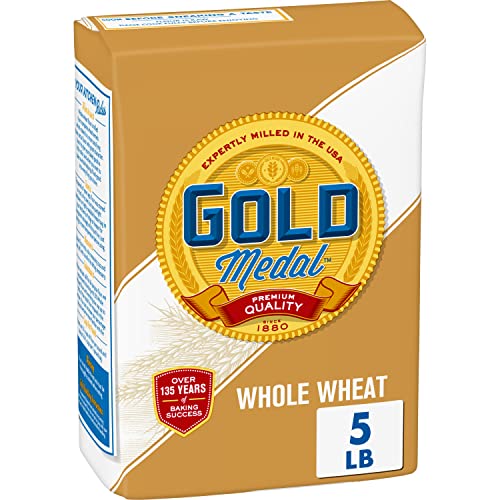
All natural, milled from complete wheat kernels to deliver a hearty, rustic whole wheat flavor. The flour provides a chewy texture and rich wheaty aroma, making it a reliable base for breads, rolls, and pastries where a robust whole-grain profile is desired. Ideal for home bakers seeking a straightforward, dependable whole wheat flour for sourdough applications.
Sunrise Flour Mill Heritage Organic Whole Wheat Flour

Heritage red hard wheat milled within ten days of harvest, offering better digestibility for some readers while providing a rich, nutty flavor. This ultra-fine grind supports smoother bran incorporation, yielding loftier loaves with depth. Organic and free from bleaching, it aims to balance traditional wheat character with modern baking needs in sourdough.
365 by Whole Foods Market Organic 100% Whole Wheat Flour

Organic 100% whole wheat flour milled from dark northern spring wheat. The 80-ounce size is convenient for frequent bakers who want a reliable source for steady sourdough production. Grown on USA family farms, this option emphasizes consistent quality and farm-to-baker traceability in everyday loaves.
King Arthur Unbleached Organic Bread Flour

High-protein flour (approximately 12.7%) designed for loaves with strong lift and open crumb. While not labeled strictly as whole wheat, this flour is often blended with whole wheat to improve rise and texture in sourdough. King Arthur’s organic, non-GMO, kosher-certified flour provides consistent performance for artisan loaves, rolls, and pizza dough, making it a staple for bakers seeking reliable fermentation outcomes.
Buying Guide: Key Purchase Considerations for Sourdough
Choosing the right flour for sourdough involves balancing gluten strength, milling method, flavor, and digestibility. Consider the following factors to optimize loaf quality and fermentation behavior:
- Protein content: Higher protein flours yield stronger gluten networks, which support better loaf structure and gas retention during long fermentation. Look for flours in the 12-15% range for standard sourdoughs, or mix higher-protein bread flours with whole wheat to achieve lift and crumb openness.
- Milling method: Stone-ground flours tend to retain more bran, essential minerals, and flavor, but can be denser. Modern roller-milled whole wheat may yield lighter textures with consistent performance. A blend approach can balance flavor and lift.
- Whole grain versus white integrated: Whole wheat flours bring bran and germ that contribute flavor and nutrition but can impede rise if not handled with proper hydration and fermentation. Blends with baker’s flour help manage viscosity and gluten development.
- Organic and clean labels: Organic, non-GMO, and unbleached certifications can indicate fewer additives and a more natural fermentation profile, which some bakers prefer for predictable results.
- Freshness and milling date: Fresher flours perform more reliably in sourdough due to intact enzyme activity and moisture content. When possible, purchase from sources that provide milling or pack date information.
- Flavor and digestibility: Heritage or ancient grain flours (such as Einkorn) offer distinctive flavors and milder gluten structures. They may require adjustments in hydration and fermentation times to achieve optimal rise.
- Blending strategy: For sourdough, consider blending a high-protein bread flour with a whole wheat flour to achieve robust lift with the complex flavors of whole grains. Start with a 70/30 or 60/40 split and adjust based on crumb, aroma, and crust.
- Allergen considerations: If you bake for others with sensitivities, review allergen statements and cross-contamination notes. Some brands provide clear allergen-free assurances on packaging.
These considerations help bakers tailor flour choices to preferred textures, flavor profiles, and fermentation schedules, enabling consistent sourdough results across different bread styles and hydration levels.
Leave a Reply