Best Organic Whole Grain Bread Options for Health-Conscious Shoppers
Looking for organic, whole grain bread that aligns with a healthy lifestyle? This guide highlights five top options that balance nutrition, flavor, and everyday practicality. Each pick is suited to different needs—whether you value higher protein, sprouted grains, or convenient thin-slice loaves for quick sandwiches. Use the quick comparison below to decide which loaf fits your eating goals and budget.
| Product | Key Benefit | Best For |
|---|---|---|
| Dave’s Killer Bread 21 Whole Grains & Seeds | High whole grain content with seeds | Hearty texture lovers |
| Food for Life Ezekiel 4:9 Bread | Sprouted, high protein | Protein-focused diets |
| 365 by Whole Foods Market Organic 21 Grains & Seeds | Balanced whole grains blend | Everyday sandwich bread |
| Nature’s Own Perfectly Crafted Multigrain | New recipe, fewer ingredients | Simplified ingredient lists |
| One Mighty Mill Whole Wheat Bread | 100% organic, stone-ground | Fresh-mopped, preservative-free |
Dave’s Killer Bread 21 Whole Grains and Seeds

Best for: sandwich lovers who want a hearty bread with notable whole grains and seeds. This 27-ounce loaf packs 6g protein, 4g fiber, and 22g whole grains per slice, plus ALA Omega-3 fatty acids. The crust often features a seed-coated finish for extra texture. Choose this when you want a robust loaf that holds up to dense fillings and spreads. Caution: higher density can be filling; portion control may be needed for lighter meals.
Dave’s Killer Bread 21 Whole Grains & Seeds Thin-Sliced

Best for: quick, lighter lunches and households that prefer thinner slices. This 20.5-ounce loaf offers 3g protein, 3g fiber, and 12g whole grains per slice, with a seed-coated crust and a rich, subtle sweetness. It is better for portion-controlled meals or for creating multi-slice sandwiches without overwhelming fillings. Limitation: fewer nutrients per slice compared to the full-slice version.
Food for Life Organic Ezekiel 4:9 Bread

Best for: high-protein, sprouted grain enthusiasts seeking a non-wheat-forward option. Ezekiel 4:9 bread is 95% organic and delivered frozen to preserve freshness. The bread is ideally refrigerated upon delivery. This loaf suits anyone focusing on more complete amino acid profiles from sprouted grains. Caution: freezing and thawing cycles can affect texture for some buyers.
365 by Whole Foods Market Organic 21 Grains & Seeds

Best for: everyday use with a focus on branding transparency. This loaf emphasizes an ingredient-forward profile with no hydrogenated fats or high fructose corn syrup, and no bleached or bromated flour. It’s a versatile choice for family meals, sandwiches, and toast. Caution: some shoppers expect stronger flavor from seeded loaves; taste may vary by batch.
Nature’s Own Perfectly Crafted Multigrain Bread
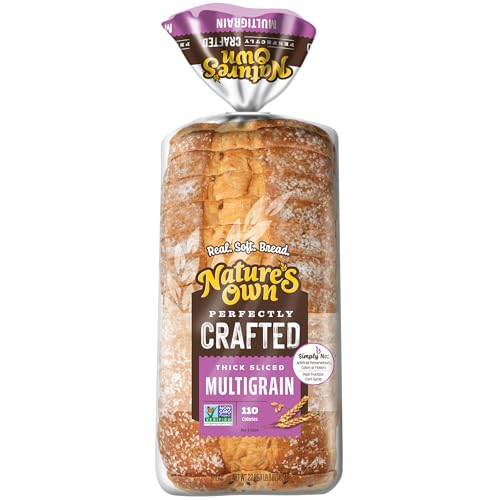
Best for: shoppers seeking a revised recipe with fewer ingredients and a non-GMO verification. This 22-ounce loaf emphasizes a multigrain profile with a softer crumb suitable for kids and everyday toast. It’s a simpler option compared with more seed-heavy loaves. Caution: flavor and texture may be milder compared with heavier, seed-rich loaves.
365 by Whole Foods Market Organic Sprouted Multigrain & Seed Bread

Best for: sprouted grain fans who value seed inclusions and a nutrient-dense profile. This loaf emphasizes organic sprouted grains and seeds for a heartier texture and more pronounced flavors. Caution: sprouted breads can be denser and pricier than standard loaves.
Buying Guide: Key Considerations For Organic Whole Grain Bread
Ingredient quality matters. Look for organic certification, whole grains listed as the first ingredients, and minimal added sugars or artificial additives. Sprouted grains can boost digestibility and protein, while seed inclusion adds texture and healthy fats.
Texture vs. nutrition. If you prefer a sturdy sandwich bread that holds fillings, opt for loaves with more whole grains and seeds. For lighter meals, thin-sliced or sprouted loaves can be more suitable.
Storage and freshness. Some loaves arrive frozen and require refrigeration or freezing to maintain freshness. Consider your weekly consumption to avoid waste.
Dietary goals. Those seeking higher protein may favor Ezekiel or thick-sliced multigrain options. If avoiding processed ingredients matters, choose brands emphasizing fewer additives and non-GMO verification.
Price and availability. Organic whole grain bread varies by brand and region. Look for bundles or store brands with transparent ingredient lists to maximize value without compromising quality.
Frequently Asked Questions
- What makes organic whole grain bread different from regular bread?
Organic products come from farms certified to meet organic standards, and whole grains keep the bran and germ for fiber and nutrients, unlike refined white bread. - Is sprouted bread better for digestion?
Sprouted grains can be easier to digest for some people and may offer higher protein and micronutrient availability, depending on the grain mix. - How should I store organic bread for maximum freshness?
Store frozen or refrigerated as per packaging instructions, and slice as needed to minimize exposure and staling. - Which loaf is best for sandwiches?
Loaves with a sturdy crumb and higher fiber content, such as the 21 Whole Grains & Seeds varieties, typically perform well for sandwiches. - Are all these loaves suitable for vegan diets?
Most organic whole grain breads are vegan, but always verify the ingredient list for dairy or honey if you follow strict vegan guidelines. - Do organic breads contain more nutrients?
Organic certification focuses on farming practices; nutrition depends on grain type and processing. Whole grains generally provide more fiber and micronutrients than refined flours.
Leave a Reply