Best White Wine for Food: Top Picks for Cooking, Sauces, and Marinades
When choosing white wine for cooking, look for versatility, flavor balance, and reliability. This guide highlights five practical options suited to different cooking needs—from quick sautés to robust sauces and marinades. Best for cooks who want dependable flavor without splitting hairs over wine quality. The top picks cover versatile dry cooking wines and a few complementary white wines that work well in recipes, dressings, and marinades. A quick buyer’s table follows to help compare at a glance.
Summary table of chosen products:
- Holland House White Cooking Wine – Ideal for everyday cooking, sautéing, roasting, and marinating.
- Iberia White Cooking Wine (25.4 oz) – Great for large-batch meals and general cooking needs.
- Kedem White Cooking Wine – A cooking-focused option for those seeking a wine-based ingredient.
- Iberia Dry White Cooking Wine (25.4 oz, pack of 3) – Versatile for seafood, risotto, and dressings.
- Sutter Home Chardonnay (187 mL x 4) – A small, ready-to-use white wine for recipes and quick meals.
Holland House White Cooking Wine For Cooking

Brand: Holland House
Features: One 16 FL OZ bottle of Holland House White Cooking Wine. America’s number one brand of cooking wine. Well balanced, dry white wine designed for cooking, sautéing, roasting, and marinating. Made with quality ingredients for flavorful results.
Best for: Everyday cooks who want a dependable, neutral white wine for a wide range of recipes. This option is easy to use in sauces, marinades, and roasting pans. Choose this if you need a consistent cooking wine that won’t overpower delicate flavors.
Caution: Being a cooking wine, it is formulated to cook away alcohol and enhance dishes, not for direct drinking. Use in moderation in delicate sauces to avoid overpowering the dish.
Iberia White Cooking Wine (25.4 oz)

Brand: Iberia
Features: Large 25.4 oz bottle. Designed to be easy to use in cooking. Works to enhance flavor with a balanced profile and is suitable as a substitute for white wine in many recipes.
Best for: Cooks who prepare larger batches or family meals and want a versatile white cooking wine. It’s a solid all-purpose option when a recipe calls for white wine as a flavor enhancer.
Caution: Flavor intensity can vary by batch; taste and adjust seasoning accordingly when substituting for a specific wine profile in a recipe.
Kedem White Cooking Wine

Brand: Kedem Gourmet
Features: Wine Boz. A white cooking wine option designed for use in sauces, marinades, and sautéed dishes.
Best for: Cooks seeking a wine-based ingredient with a traditional culinary profile for sauces and reductions. Choose this if you want a straightforward cooking wine with a classic finish.
Caution: Product naming is concise; verify usage in your recipe to ensure wine flavor complements the dish without overpowering it.
Sutter Home Chardonnay (187 mL, 4 Pack)
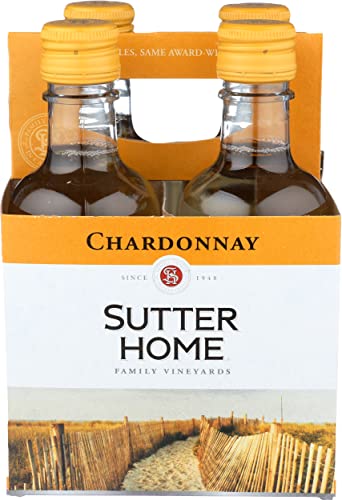
Brand: Sutter Home
Features: Four 187 mL bottles of Chardonnay. Recognized with Gold awards at multiple competitions; compact size makes it convenient for cooking and portioned recipes. Flavors described include creamy peach and juicy apple hints.
Best for: Home cooks who want a ready-to-use mini-bottle option for soups, sauces, and pan reductions. Choose this if you prefer smaller bottles to maintain freshness between uses.
Caution: The small size may require more frequent replacements for frequent cooks; plan purchases around meal frequency and recipe needs.
Buying Guide: White Wine For Food
- What to look for in cooking wines: Look for dry, balanced profiles with lower sweetness to prevent altering the dish’s natural flavors. Reducing sweetness helps preserve your intended sauce or broth flavor.
- Cooking vs drinking wine: Cooking wines are designed for heat stability, flavor compatibility, and shelf life. They may differ from table wines in acidity and salt content, so use as directed by the recipe.
- Volume considerations: Large bottles are cost-effective for frequent cooks; small bottles are convenient for occasional cooking or trial use. Consider your recipe cadence when choosing size.
- Flavor impact: For delicate sauces, choose wines with mild acidity and neutral fruit notes. For seafood and risotto, a wine with clean mineral or citrus notes can brighten the dish without overpowering it.
- Substitution guidance: If a recipe specifies a specific white wine, a dry cooking wine with a similar profile can be substituted. When substituting, taste as you go and adjust salt and acidity as needed.
- Storage tips: Store in a cool, dark place away from direct sunlight. Once opened, cap tightly and use within a reasonable timeframe to maintain quality.
Frequently Asked Questions
- Q: Is cooking wine suitable for drinking? A: Cooking wines are formulated mainly for flavor in dishes and may contain salt or other additives; they are not intended for drinking unless labeled for table use.
- Q: Which white wine is best for seafood dishes? A: A dry white cooking wine or a light, crisp white wine can enhance seafood without overwhelming its delicate flavors.
- Q: Can I substitute white vinegar for white wine in a recipe? A: White vinegar is more acidic and has a stronger tang; use vinegar only as a substitute when a recipe specifically calls for it, or adjust flavor carefully.
- Q: How long does opened cooking wine stay good? A: Once opened, refrigerate and use within a reasonable timeframe per product guidance; otherwise, flavors degrade.
- Q: Are these wines gluten-free? A: Most cooking wines are gluten-free; check the product details if gluten intolerance is a concern.
- Q: Should I buy a large or small bottle? A: For frequent cooking, large bottles offer better value; for occasional use, smaller bottles reduce waste and maintain freshness.
Leave a Reply