Best White Rice Low Carb Options for Healthier Meals
Looking for white rice alternatives that help manage carbs without sacrificing flavor? This guide highlights five practical white-rice substitutes that lean toward low-carb, keto-friendly, or gluten-free needs. Each pick suits different buyers—from busy weeknights to meal-prep pros and those watching sodium or potassium intake. The table below summarizes who each product is best for and why it stands out.
| Product | Best For | Why It Stands Out |
|---|---|---|
| Parish White Rice – High-Protein, Low Glycemic | Low GI diets, protein-focused meals | Locally grown, higher protein, Louisiana-sourced |
| It’s That Simple White Rice Blend | Quick meals, carb-conscious routines | 50% fewer carbs than traditional rice, cooks in minutes |
| Palmini Rice (Hearts of Palm) | Keto, low-calorie needs | Very low calories and carbs per serving |
| Kaizen Original Protein Rice | High-protein, low-carb diets | 20g protein, 6g net carbs per serving, plant-based |
| Soeos Organic Konjac Rice | Low-carb, gluten-free staples | Konjac-based, very low net carbs, quick prep |
Note: All product details are provided to help you compare options quickly. Verify serving sizes and preparation directions on the product pages when you decide to purchase.
Parish White Rice — High-Protein, Low Glycemic
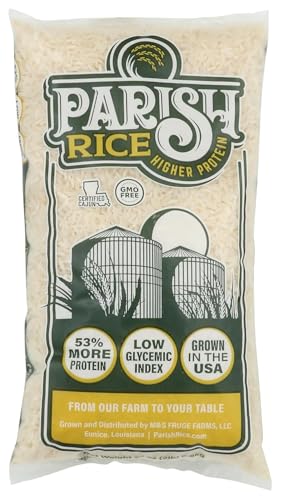
What it is: Parish White Rice is a long-grain white rice that emphasizes higher protein content and a lower glycemic index. It is locally grown in Louisiana, which can appeal to buyers seeking regional products with nutrient-rich attributes. This option is a fit for people who want a familiar rice texture but with a nutritional boost.
Best for: dieters seeking steady blood sugar response and cooks who want a richer protein profile in staple meals, especially curries, stir-fries, or desserts that rely on white rice as the base. Choose this if you prioritize a lower GI and added protein over standard white rice.
Why selected: It stands out for combining traditional rice texture with a notable protein increase and a localized supply chain, which can influence flavor and freshness in dishes.
Limitation: The data does not specify exact protein grams per serving beyond the stated “53% more protein than average,” so plan for general protein enrichment rather than precise macros per serving.
It’s That Simple White Rice Blend

This blend reduces carbs by about half compared to traditional basmati, according to USDA data, yet aims to deliver the familiar texture and flavor of regular white rice. It is gluten-free, non-GMO, and vegan-friendly, making it a versatile choice for mixed-family meals.
Best for: anyone following a lower-carb meal plan who still wants a quick, stove-top option that tastes like standard rice. It’s particularly suitable for weeknights when time is tight and flavor matters.
Why selected: It offers a straightforward carb reduction while maintaining a similar eating experience to classic white rice, making it easier to swap in most recipes.
Caution: Cooking times may vary slightly depending on your rice cooker or stovetop setup; plan to test a small portion first to dial in texture.
Natural Heaven White Rice, Hearts of Palm

What it is: A fully cooked, low-carb rice alternative made with hearts of palm, marketed as a low-sodium option with no salt, oils, or artificial preservatives. It’s microwave- or stovetop-ready and aims to deliver a clean, simple ingredient list while offering potassium-rich content per serving.
Best for: buyers seeking a minimally processed, ready-to-heat rice substitute with naturally lower sodium and potassium benefits. Ideal for those on a low-sodium diet or who prefer a single-ingredient base for meals.
Why selected: The use of hearts of palm creates a distinctive texture and a notable potassium profile, which can be appealing for vegetable-forward meals.
Limitation: Packaging variations may occur during transitions, so verify packaging at purchase for the most accurate product format.
Kaizen Original Protein Rice
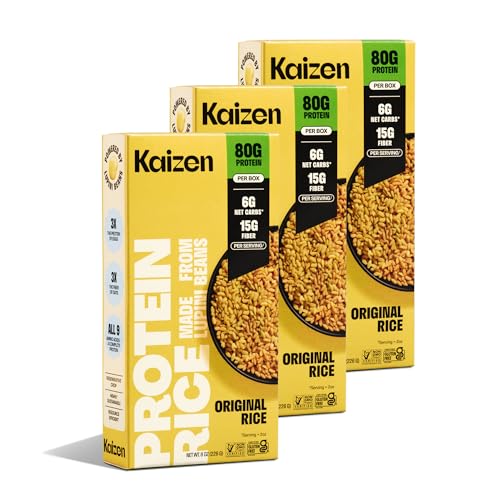
What it is: Kaizen Protein Rice blends plant-based lupini beans with rice-like texture, delivering 20g of protein and 6g net carbs per 2oz serving. It’s designed as a high-protein, low-carb option for those following keto or high-protein diets.
Best for: athletes, active individuals, and meal preppers who want a protein-forward simple substitute for traditional rice without sacrificing satiety. It’s also suitable for those avoiding gluten or soy.
Why selected: This product foregrounds protein and fiber without compromising on a rice-like eating experience, offering a practical balance for macro-conscious meals.
Caution: While macro numbers are favorable, serving sizes and flavor can influence perceived fullness; test one serving to gauge satisfaction with meals.
Soeos Organic Konjac Rice
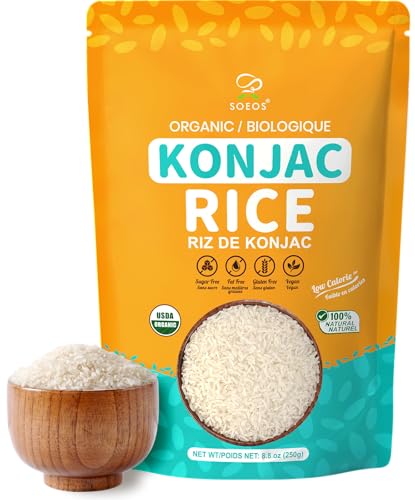
What it is: Konjac-based rice substitute made from konjac root, offering a very low-carb, gluten-free option suitable for keto and weight management diets. It cooks quickly and can be used in a similar context to traditional white rice.
Best for: buyers who want a near-zero-carb alternative that still fits into stir-fries, soups, and grain-free meal plans. It’s especially helpful for those who need strict carb control.
Why selected: Konjac rice provides one of the lowest net-carb options among rice substitutes, making it a strong pick for strict low-carb adherence.
Caution: Texture and mouthfeel differ from regular rice; some diners may notice a distinct bite, so it’s best paired with strong sauces or seasonings.
Buying Guide: Key Considerations For Low-Carb Rice Substitutes
- Carb content: Compare net carbs per serving to understand impact on your daily goals. Some products offer substantial reductions (like konjac or hearts of palm-based options), while others provide moderate reductions.
- Protein and fiber: Higher protein and fiber can aid fullness and post-meal satisfaction. Consider protein-to-carb ratios when planning meals.
- Ingredient quality: Look for minimally processed ingredients and simple lists, especially for low-sodium or low-preservative needs.
- Cooking method and time: Some substitutes require microwaving or quick stovetop prep, while others mimic traditional rice preparation. Plan around your weekly routine.
- Texture and taste: Substitutes vary in chewiness and mouthfeel. Choose options that pair well with your favorite sauces, curries, or stir-fries to avoid texture surprises.
Frequently Asked Questions
- Are low-carb rice substitutes really lower in carbs? Yes, many are designed to reduce net carbs per serving compared with traditional white rice, though exact amounts vary by product.
- Can these substitutes replace white rice in every recipe? They work well for many meals, especially stir-fries and bowls, but some recipes rely on rice’s texture and starchiness. You may need to adjust sauces or cooking times.
- Do these substitutes affect flavor? Some have noticeable differences in texture or taste; pairing with robust sauces or seasonings helps integrate them into dishes.
- Are konjac-based rices suitable for all diets? Konjac is typically gluten-free and low-carb, but always check ingredient lists for potential allergens or additives.
- Which option is best for keto diets? Palmini and Konjac-based rices are popular keto-friendly choices due to very low net carbs per serving.
- Do any substitutes require special storage or preparation? Most are shelf-stable or microwave-ready; some may require rinsing or soaking per package directions.
Leave a Reply