Best Whey Protein With Lactase for Lactose-Friendly Muscle Support
When choosing a whey protein with lactase, look for products that minimize lactose while delivering solid protein benefits. This guide highlights options that are lactose-digestion friendly and suitable for athletes, busy professionals, and anyone sensitive to dairy. The top picks emphasize lactose digestion aid, quality protein, and clean ingredients to support post-workout recovery and daily protein goals.
| Product | Brand | Approximate Protein Per Serving | Notes |
|---|---|---|---|
| DrFormulas Lactose Free Whey Protein Isolate Powder with Lactase | DrFormulas | 26g | Lactase integrated; lactose-free claim; Matcha vanilla flavor |
| EHP Labs OxyWhey Whey Protein Isolate | EHP Labs | 25g | Enzyme blend includes lactase; sugar-conscious option |
| Healthier Comforts Lactose Free Milk Protein Concentrate Powder | Healthier Comforts | N/A | Lactose-free by design; combines casein and whey |
| Nutricost Whey Protein Isolate (Unflavored) | Nutricost | 30g | Unflavored isolate; relies on lactose-aware processing not specified |
| NutraBio 100% Whey Protein Isolate | NutraBio | 25g | Complete amino acid profile; non-GMO and gluten-free |
DrFormulas Lactose Free Whey Protein Isolate Powder

Best for lactose-intolerant individuals who want a protein isolate with built-in lactase. The formula delivers 26g of whey protein per scoop and is designed to minimize lactose-related discomfort. The vanilla-matcha flavor offers a smooth mix that can be enjoyed in shakes and smoothies.
Who it’s best for: active adults seeking high-quality protein without lactose-related bloating. Choose this if you prefer a flavored option and want lactase already included.
Caution: Flavor and texture can vary with mixing liquid; check for any sensitivity to matcha in flavoring.
EHP Labs OxyWhey Whey Protein Isolate

Best for those seeking a digestible, enzyme-enhanced whey option. OxyWhey provides 25g of protein per serving and includes an enzyme blend with lactase to promote easier digestion and smoother mixing.
Who it’s best for: athletes and busy individuals who want reliable protein intake with improved digestibility. Choose this if you value enzyme support and a lean macronutrient profile.
Caution: Some users may respond differently to probiotics and enzymes; monitor any digestive adjustment period.
Healthier Comforts Lactose Free Milk Protein Concentrate Powder

Best for those who want a balanced protein blend with lactose-free milk protein. It combines casein and whey in their natural ratio for sustained nourishment and muscle support.
Who it’s best for: individuals seeking a lactose-free option that leverages both fast- and slow-digesting proteins for longer-lasting amino acid availability.
Caution: Flavor options are limited; check for suitability if you prefer flavored powders.
Nutricost Whey Protein Isolate (Unflavored)
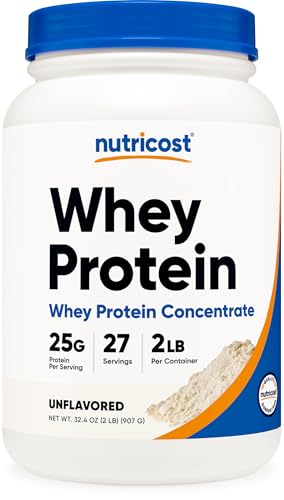
Best for purists who want a straightforward, unflavored whey protein isolate. The product emphasizes high protein per serving with minimal ingredients, suited for blending into shakes and recipes.
Who it’s best for: athletes and diet-focused individuals seeking a clean protein base without added flavors or sweeteners.
Caution: Not explicitly lactase-enriched; consider lactose tolerance if you are highly lactose-sensitive.
NutraBio 100% Whey Protein Isolate

Best for those seeking a complete amino acid profile with a high-quality isolate. The product emphasizes purity, non-GMO status, and a clean ingredient list suitable for post-workout recovery.
Who it’s best for: individuals prioritizing a reliable isolate with a straightforward ingredient list and no added dairy lactose considerations stated.
Caution: Lactose content is not specified; verify suitability if lactose sensitivity is high.
Buying Guide
What should I look for in a whey protein with lactase?
- Protein quality and source: whey isolate tends to be lower in lactose versus concentrate, and check for lactase inclusion if dairy sensitivity is a concern.
- Enzyme blend: products with lactase or broad digestive enzymes may improve mixability and digestion for sensitive individuals.
- Flavor and ingredients: flavor should suit your preferences, and check for added sugars or fillers if you follow a strict diet.
Which option is best for daily use?
For daily protein, prioritize a product with consistent protein per serving (around 25–30g) and minimal unnecessary additives. If you are lactose intolerant, a lactose-free formulation with lactase is ideal.
How to mix and consume?
Mix with water, milk alternatives, or in smoothies. For better digestion, consider products that include digestive enzymes and probiotics, especially if you have a sensitive gut.
Flavor vs. pure protein
Flavored options can improve adherence, but unflavored powders are versatile for recipes and may suit sensitive stomachs. Always read labeling for the presence of lactose, gluten, or soy.
Who should avoid certain products?
Individuals with severe dairy intolerance or dairy allergy should avoid lactose-containing products. Those with specific ingredient sensitivities should review all additives before selecting a powder.
FAQ
- Do all whey proteins labeled lactose-free contain lactase? Not always. Some products include lactase, while others rely on processing to reduce lactose. Check the label for lactase specifically.
- Is whey isolate better for lactose sensitivity than whey concentrate? Generally yes, because isolates typically have less lactose, but verify the product’s lactose content on the label.
- Can enzyme blends improve digestion for all users? Enzyme blends help many, but individual responses vary. Start with a small serving to gauge tolerance.
- Are flavored lactose-free options as effective as unflavored ones? Yes, if the flavoring does not introduce excess sugar or fillers; focus on protein content and digestion compatibility.
- What is the best pick for post-workout recovery with lactose sensitivity? A lactose-free whey isolate with lactase or an enzyme-enhanced formula is ideal.
- Should I choose a product based on branding alone? No—review the ingredient list, protein per serving, digestibility features, and your own dietary needs.
Leave a Reply