Best Whey Protein for Gas-Free Digestion and Clean Nutrition
Need whey protein that’s gentle on the stomach? This guide highlights options designed to minimize gas and bloating while delivering solid protein. The top picks are aimed at athletes, busy professionals, and anyone seeking a clean, easy-to-digest protein powder. Each product emphasizes minimal to no lactose, gentle processing, or naturally light formulations. The summary below helps you compare core specs at a glance.
| Product | Protein (per serving) | Key Benefit | Best For |
|---|---|---|---|
| Naked Whey 2LB (Grass-Fed) | 25 g | Pure, undenatured whey with 1 ingredient | Sensitive stomachs seeking minimal additives |
| Levels Whey Protein Powder (Vanilla Bean) | 24 g | No artificial ingredients or sugars | Those avoiding additives and sweeteners |
| Transparent Labs Grass-Fed Whey Isolate (French Vanilla) | 28 g | Very clean formula, high protein per serving | Digestion-conscious athletes needing strength support |
| Dymatize ISO100 Whey Isolate (Gourmet Vanilla) | 25 g | Hydrolyzed isolate for quick absorption | Fast recovery and lean gains with low lactose |
| Naked Whey Isolate Protein (Two Ingredients) | 30 g | Zero carbs, minimal additives | Low-carb, dairy-tolerant consumers seeking clean isolate |
Notes: All products listed are whey-based and feature clean ingredient panels. When choosing, consider lactose content, processing method, and whether you prefer isolate versus concentrate to help reduce gas potential.
Naked Whey 2LB: 1-Ingredient Grass-Fed Isolate

Features: 25g protein, 2g sugar, 3g carbs, 120 calories per serving; 5.9g BCAAs. NSF Certified for purity and safety. No artificial flavors, colors, or sweeteners; soy-free and gluten-free.
Best for: Individuals who want a pure protein powder with no additives and minimal lactose impact. Best if you tolerate dairy well and want a straightforward protein source.
Limitations: Lacks flavor options; may be less appealing to those who prefer sweeter profiles or added electrolytes.
Levels Whey Protein Powder (Vanilla Bean)

Features: 24g protein, 5.4g BCAAs; no added sugars; ingredients labeled as natural with no hormones, GMOs, gluten, soy, or artificial flavors.
Best for: Readers who want a clean ingredient list with no artificial additives and a simple vanilla profile.
Limitations: Lacks flavor variety beyond vanilla; some may prefer other taste options or sweetener-free variants.
Transparent Labs Grass-Fed Whey Isolate (French Vanilla)
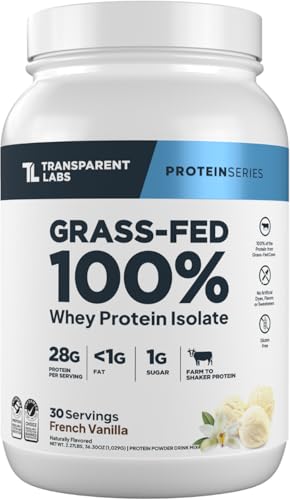
Features: 28g protein per serving; naturally flavored, no artificial sweeteners or colors, gluten-free; designed to be light on the stomach with minimal sugar and fat.
Best for: Those seeking a highly bioavailable whey isolate with clean labeling and strong protein density for recovery.
Limitations: Slightly higher price point; flavor relies on natural vanilla sources rather than synthetic blends.
Dymatize ISO100 Whey Isolate (Gourmet Vanilla)

Features: 25g protein; 5.5g BCAAs; less than 120 calories; gluten-free, 1g fat, 1g sugar, 2g carbs per serving. Made to support rapid absorption and lean gains.
Best for: Individuals who need fast digesting protein and low lactose for quicker recovery, gym-goers pursuing lean mass goals.
Limitations: Some may require flavor variety beyond vanilla; hydrolyzed isolates can be more expensive.
Naked Whey Isolate Protein (Two Ingredients)
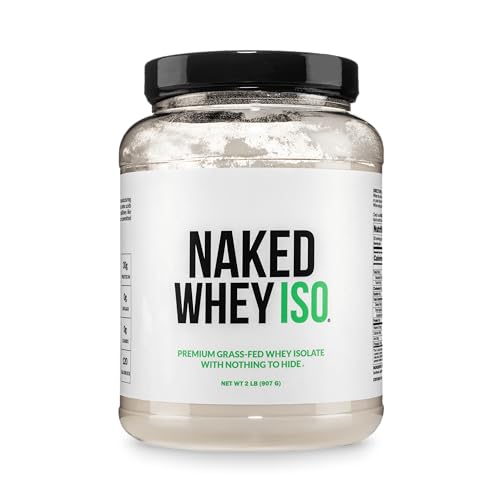
Features: 30g protein, 0g carbs, 120 calories, 8.4g BCAAs; only two ingredients: grass-fed whey isolate and sunflower lecithin; no artificial sweeteners or additives.
Best for: Dieters seeking a zero-carb option with a clean, two-ingredient formula that supports digestion and lean muscle growth.
Limitations: Availability may vary; some users may prefer flavored options for everyday use.
Buying Guide: Whey Protein For Easy Digestion And Gas Reduction
What formulation best reduces gas?
Whey isolate generally causes less gas than whey concentrate due to lower lactose content. Look for products labeled as lactose-free, or with no artificial sweeteners that can ferment in the gut.
Is isolate always better for digestion?
Isolate forms remove most lactose and fat, which can improve digestion for many people. However, some individuals may still tolerate concentrates or hydrolyzed proteins well. Choose based on tolerance and goals.
What ingredients should I avoid?
Avoid added fillers, artificial sweeteners, and heavy flavors if you’re sensitive to gas. Clean, minimal ingredient panels tend to be easier on the gut.
How do I choose based on goals?
For muscle growth with low lactose, prefer isolates with high protein per serving. For a balance of cost and protein, consider blends with minimal additives and low sugar.
Which brands are reliable for gut-friendly options?
Brands offering NSF or similar purity certifications and minimal ingredient lists tend to be more transparent about processing and contents, aiding gut health decisions.
How should I introduce a new powder?
Start with a small serving to assess tolerance. Mix with water or a lactose-free beverage and monitor bloating, gas, or discomfort over 24–48 hours.
Frequently Asked Questions
- Will whey protein cause gas for everyone? Gas response varies by individual tolerance, lactose content, and added ingredients. Isolates and single-ingredient formulas are generally gentler for sensitive stomachs.
- Is an unflavored option better for digestion? Unflavored products avoid artificial sweeteners and flavors that can trigger digestive discomfort in some people.
- How important is NSF certification? Certifications like NSF indicate purity and safety standards, which can align with a clean ingredient approach and digestibility.
- Should I choose vanilla or unflavored? Vanilla adds flavor without necessarily increasing digestive burden; unflavored is often the simplest option for those with sensitivities.
- What’s the difference between isolate and concentrate? Isolate has less lactose and fat, often improving digestibility, while concentrate can be more affordable but may contain more lactose.
- How should I take protein powder for best digestion? Mix with water or a lactose-free liquid, and sip slowly to aid absorption and reduce gas risk.
Leave a Reply