Best Whey Protein for Sensitive Stomachs: Clean Isolates That Are Gentler on Digestion
From lactose sensitivity to bloating, stomach comfort matters as you fuel workouts. This guide highlights whey proteins designed to minimize digestive distress while delivering solid protein support. The top picks favor whey isolates, simple ingredient lists, and third‑party certifications. The best buyers are fitness enthusiasts seeking rapid absorption, minimal lactose, and clean labeling. Below, you’ll find five proteins chosen for easy digestion and clear, self-contained ingredient profiles. A quick summary table follows to compare key specs at a glance.
| Product | Best For | Key Benefit |
|---|---|---|
| Naked Whey Isolate Protein (Unflavored) | Digestive comfort with minimal ingredients | Two ingredients; very low lactose |
| Isopure Zero Carb 100% Whey Isolate | Zero carbs, daily high protein | Isolate form, gluten-free |
| Transparent Labs Grass-Fed Whey Isolate | Clean label, naturally flavored | No artificial additives; high protein per serving |
| Nutricost Whey Protein Isolate (Unflavored) | Budget-friendly isolate option | Unflavored, simple ingredients |
| Optimum Nutrition Gold Standard 100% Whey (Chocolate Peanut Butter) | Reliable, widely available high-quality whey | High protein per scoop; balanced profile |
Naked Whey Isolate Protein — Unflavored (2 Ingredients)
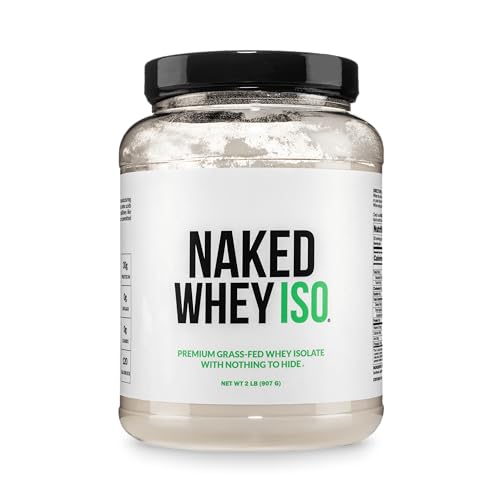
Naked Whey Isolate Protein uses only two ingredients: grass-fed whey protein isolate and sunflower lecithin to aid solubility. It contains no artificial sweeteners, flavors, or colors, and is GMO-free, soy-free, and gluten-free. The product is sourced from pasture-fed cows, offering a clean protein with minimal lactose per serving.
Best for: Clean label seekers who want a near-pure whey isolate with very low lactose for easier digestion. Choose this if you want a straightforward protein with minimal additives.
Limitation: Some users may prefer a flavored option for variety; unflavored means you’ll need to pair with flavorings or mix-ins.
NAKED Whey 2LB — Grass-Fed Whey Protein

NAKED Whey 2LB is an unflavored, 100% grass-fed whey protein powder with a single ingredient: whey protein. It’s NSF Certified for purity and safety, and it contains no GMOs, rBGH/rBST, soy, gluten, or artificial additives. Each serving provides 25g of protein with modest sugars and carbs, and only trace lactose.
Best for: Those needing a single-ingredient, NSF-certified whey isolate without additives. Choose this if you value maximal protein with minimal processing and a trusted purity standard.
Caution: As with any dairy product, lactose sensitivity varies; check tolerance for even small lactose amounts.
Isopure Zero Carb 100% Whey Isolate Powder

Isopure Zero Carb uses whey isolate with zero carbohydrate content and includes vitamins. It is gluten-free and designed to support daily protein goals without adding carbs that could affect digestion. The unflavored variant helps enzymes digest with minimal additives.
Best for: Anyone on a low-carb plan or those who want a fast-digesting whey isolate with a clean macro profile.
Limitation: Some users may still find lactose traces; verify ingredient lists if extremely lactose-sensitive.
Transparent Labs Grass-Fed Whey Isolate — Naturally Flavored

Transparent Labs offers a grass-fed whey isolate with naturally flavored options and no artificial additives. It features 28g of protein per serving with minimal sugar and fat, sourced from hormone-free dairy cattle. The product emphasizes a clean ingredient panel and high protein density.
Best for: Consumers who want a naturally flavored whey isolate with a clean label and high protein content, with reduced risk of digestive disturbance from additives.
Limitation: Some flavors may still contain natural flavorings; opt for the unflavored version if ultra-basic ingredients are preferred.
Nutricost Whey Protein Isolate (Unflavored) — 5 LBS
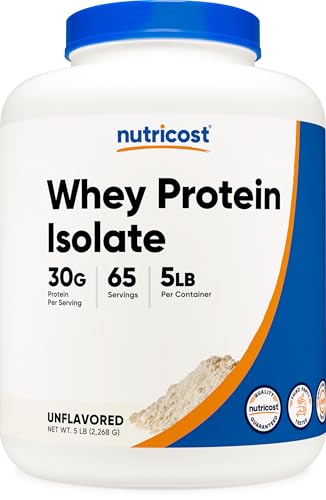
Nutricost Whey Protein Isolate is an unflavored option in a large 5 lb size. It offers 30g protein per serving with an emphasis on being undenatured and instantized for mixability. The product claims a simple ingredient profile suitable for sensitive stomachs.
Best for: Budget-minded buyers who want a straightforward whey isolate with minimal ingredients and a larger container for long-term use.
Limitation: As an unflavored product, it lacks natural flavorings; you’ll need to mix in your own flavors or ingredients if preferred.
Buying Guide: Key Considerations For Choosing Whey Protein For Sensitive Stomachs
What to look for when digestion matters most
- Protein form: Whey isolate generally digests easier than concentrate due to lower lactose and fat content. If lactose sensitivity is a concern, isolates are typically best.
- Ingredient list: Fewer ingredients translate to fewer potential triggers. Look for products with minimal additives, no artificial sweeteners, and no fillers.
- Certifications: NSF or other third-party certifications can indicate purity and safety, which is helpful for sensitive stomachs.
- Flavor and additives: Neutral or naturally flavored options reduce the risk of GI upset caused by sweeteners or artificial flavors.
- Allergies and intolerances: Check for gluten-free, soy-free, and dairy considerations beyond lactose, depending on individual sensitivities.
- Nutritional profile: Consider protein per serving, carbs, fat, and lactose content. Lower lactose and minimal sugar often aid digestion.
Frequently Asked Questions
- What type of whey is best for a sensitive stomach? — Whey isolates are typically easier on digestion than concentrates due to lower lactose and fat content.
- Should I choose unflavored or naturally flavored whey? — Unflavored options minimize potential irritants; naturally flavored variants may still be gentle but check ingredient lists.
- Can lactose-free whey exist? — True lactose-free whey is rare; many isolates have very low lactose, which helps most sensitive stomachs.
- Is third-party certification important? — Yes. Certifications like NSF can indicate purity and absence of contaminants that might affect digestion.
- How do I assess if a protein will upset my stomach? — Start with a small serving, observe tolerance, and prefer products with simple ingredient lists and no artificial sweeteners.
- Are there non-dairy alternatives if dairy bothers me? — Consider plant-based proteins, such as pea or rice proteins, formulated for easier digestion, though not a direct whey substitute.
Leave a Reply