Best Natural Vegan Protein Powder Options for Shakes and Smoothies
Looking for a vegan protein powder with natural ingredients and minimal additives? This guide highlights five plant-based options that emphasize clean labels, USDA Organic or non-GMO sourcing, and gut-friendly features. Best for busy professionals, athletes, and anyone seeking dairy-free protein without artificial sweeteners. Each product section notes who it’s best for and why it stands out, plus a practical caveat where applicable. A quick summary table below helps you compare at a glance.
Summary of chosen products
| Product | Main Protein | ||
|---|---|---|---|
| Orgain Organic Vegan Protein Powder, Vanilla Bean | Pea, Brown Rice, Chia | 6g prebiotic fiber; USDA Organic; non-GMO | Daily shakes with gut support |
| Orgain Organic Vegan Protein Powder, Natural Unsweetened | Pea, Brown Rice, Chia | 4g prebiotic fiber; no added sugar | Unflavored recipes and low-sugar diets |
| Plant protein + probiotics | Probiotics for gut wellness; dairy-free | Probiotic-focused vegan protein | |
| Orgain Organic Vegan Protein Powder + 50 Superfoods (Vanilla) | Pea, Brown Rice, Chia | 50 organic superfoods blend; 8g prebiotic fiber | Daily nutrition with extra micronutrients |
| Pea, Pumpkin Seed, Chia | Clean formula; no soy, dairy, gluten; certified organic | Allergen-aware, clean-label protein |
Orgain Organic Vegan Protein Powder, Vanilla Bean
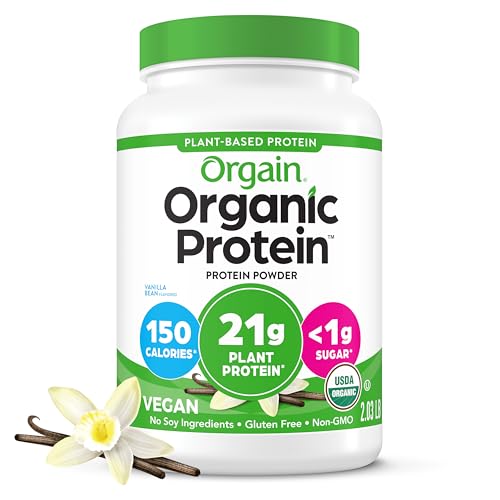
Best for: Shakes and smoothies with a natural vanilla flavor and fiber support. This formula uses a blend of organic pea, brown rice, and chia seeds, delivering all nine essential amino acids. It contains 21g of protein and 6g of prebiotic fiber per serving, with no added sugar and no lactose. It’s vegan, gluten-free, kosher, non-GMO, and free of carrageenan, dairy, artificial colors, flavors, sweeteners, or preservatives. Choose this if you want a complete protein with gut-friendly fiber in a single serving.
Caution: Some users may prefer a lighter sweetness; this product has a natural vanilla profile that some may find robust depending on mix-ins or liquids used.
Orgain Organic Vegan Protein Powder Natural Unsweetened

Best for: Unflavored or lightly flavored recipes where you control sweetness. It provides 21g of plant protein from peas, brown rice, and chia seeds with 4g of prebiotic fiber per serving and 0g sugar. The product is vegan, gluten-free, kosher, non-GMO, and certified USDA Organic. It avoids dairy ingredients and artificial additives, making it versatile for cooking, baking, and smoothies where a neutral base is preferred.
Caution: Unsweetened formulas can taste more neutral or neutral-tasting; pairing with natural flavor boosters (fruit, vanilla extract) can help align with taste preferences.
EarthChimp Organic Vegan Protein Powder with Probiotics (Vanilla)
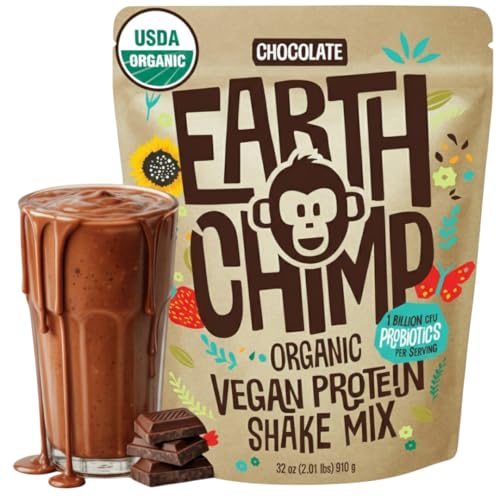
Best for: Those seeking a probiotic-enhanced vegan protein. This powder provides 20g of plant protein per serving along with probiotics to support gut health. It is USDA Organic, dairy-free, non-GMO, gluten-free, and contains no added sugar or artificial sweeteners. The vanilla flavor is appealing for shakes and smoothies. Choose this if gut wellness and probiotic support are priorities.
Caution: Some users may experience preference for a milder vanilla profile depending on blending liquids.
EarthChimp Organic Vegan Protein Powder Vanilla

Best for: Those who want a probiotic-enhanced protein with a classic vanilla taste and no dairy. It offers 20g of organic plant protein per serving, is dairy-free, gluten-free, and non-GMO, with probiotics added for digestive support. This powder emphasizes a clean ingredient list and transparency about organic certification. Consider this option if you value probiotic benefits alongside protein.
Caution: May require extra blending time to achieve smooth texture due to natural ingredients and probiotic components.
Truvani Organic Plant Based Protein Powder | Vanilla

Best for: Buyers seeking a clean label with minimal ingredients. Truvani’s powder is made from organic pea, pumpkin seed, and chia seed protein, with no soy, wheat, dairy, gluten, or artificial additives. It is certified USDA Organic and non-GMO. This option suits those with dietary restrictions or sensitivities who still want a solid protein boost in shakes, smoothies, or baking.
Caution: The ingredient list is intentionally simple; some may miss a fiber boost present in other blends.
Buying Guide
What should I look for in a natural vegan protein powder?
Key factors include protein source, organic certification, absence of dairy ingredients, and absence of artificial sweeteners or fillers. Look for a complete amino acid profile (all nine essential amino acids) and consider added prebiotic fiber or probiotics for gut support.
Are probiotics or prebiotics important in vegan protein powders?
Probiotics can support gut health by introducing beneficial bacteria, while prebiotics feed those bacteria. If gut wellness is a priority, choose formulas with added probiotics or 4–8g of prebiotic fiber per serving.
How to choose between flavored and unsweetened options?
Flavored powders offer convenient taste but may include natural flavors or sweeteners. Unsweetened options deliver a neutral base ideal for baking or customizing sweetness with fruits or spices.
Which certifications matter?
USDA Organic or other recognized organic certifications indicate strict farming and processing standards. Non-GMO claims suggest avoidance of genetically modified ingredients. Vegan and gluten-free labels help with dietary restrictions.
Should you consider allergen flexibility?
If soy, dairy, or gluten sensitivities exist, verify the ingredient list and cross-contact statements. Some products deliberately avoid soy and dairy to accommodate broader diets.
How to use these powders effectively?
Common uses include shakes, smoothies, oatmeal, or baked goods. Start with recommended serving sizes and adjust with liquid and ice to achieve desired consistency. For best taste, blend thoroughly to prevent clumping from natural ingredients.
FAQs
- What makes a vegan protein powder “natural”?
- Is almond milk or soy milk better with these powders?
- Can I use vegan protein powder for baking?
- Do these powders contain added sugar?
- Are there protein options suitable for keto?
- What is the best vegan protein powder for gut health?
Natural usually means minimal artificial additives, no artificial sweeteners, and ingredients sourced from plants with organic or non-GMO certification.
That depends on your tolerance and taste. Almond milk offers a milder flavor; soy milk provides a creamier texture and complete protein in some blends. Check for allergen considerations.
Yes. Many blends work well in muffins, pancakes, and bars. Unsweetened versions give you more control over sweetness.
Some contain no added sugar; others have natural sweeteners. Always review the nutrition label to confirm per-serving sugar content.
Yes, some powders have low net carbs and no added sugars, making them more compatible with a keto approach. Check net carbs per serving.
Look for products with prebiotic fiber or probiotics. These features support digestive comfort alongside protein intake.
Leave a Reply