Best Vegan Pea Rice Protein Powder Options for 2026
Looking for a vegan protein powder that blends pea and rice proteins with clean ingredients? This guide highlights five top options that emphasize plant-based nutrition, smooth digestion, and versatile use in shakes, smoothies, or baked goods. Each product is chosen for its specific strengths—whether you need ultra-pure pea protein, a blend formula for complete amino acids, or a soy-free vegan option. Suitable for athletes, busy professionals, or anyone seeking dairy-free protein aligned with vegan diets.
Summary of top picks:
| Product | Best For | Why It Stands Out |
|---|---|---|
| NAKED Pea (5LB) | Purity seekers, athletes | Single-ingredient pea protein; NSF Certified; no additives |
| Orgain Organic Vegan Protein (Vanilla Bean) | Meal replacement, gut support | Organic blend with peas, brown rice, chia; prebiotic fiber |
| Anthony’s Premium Pea Protein | Simple, clean vegan protein | Pure pea protein isolate; gluten-free |
| SOLO Organic Pea Protein Isolate | Low-sodium, clean extract | Low-sodium extraction; Canada-grown peas |
| THORNE Plant Protein | Complete plant profile | Pea, rice & chia blend; complete amino acids; NSF |
NAKED Pea – 5LB Plain Pea Protein Powder

Best for: Purity-focused buyers who want a single-ingredient vegan protein. This product contains only 100% yellow pea protein with zero additives. It’s GMO-free, soy-free, gluten-free, and vegan-friendly. It’s ideal for athletes or anyone who wants to monitor ingredient quality closely.
Why selected: The lack of fillers or artificial ingredients ensures straightforward protein supplementation. As an NSF Certified powder, it is verified for purity and safety, which is valuable for health-conscious consumers and those following strict vegan diets.
Limitations: This unflavored product may require added flavoring for those seeking a sweeter taste. Not ideal for flavor-centric recipes without boosters.
Orgain Organic Vegan Protein Powder, Vanilla Bean
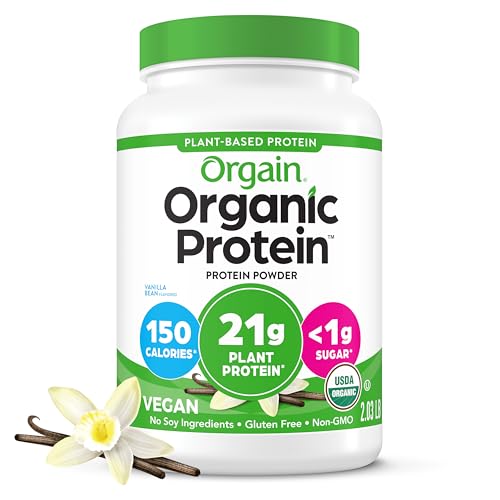
Best for: Shakes and smoothies that benefit from a blended protein base with fiber. This product combines organic peas, brown rice, and chia seeds, delivering all nine essential amino acids with a touch of vanilla flavor.
Why selected: It emphasizes organic certification, plant-based protein with a low sugar profile, and prebiotic fiber for gut support. It avoids common allergens and additives, appealing to those seeking a cleaner, plant-forward option.
Limitations: Vanilla flavor may not suit all recipes; check sugar content if you’re tracking net carbs.
Anthony’s Premium Pea Protein

Best for: Consumers who want a straightforward, gluten-free pea protein isolate to add to shakes or recipes.
Why selected: It’s a simple, high-purity option focusing on plant-based protein without gluten yields. It supports lactose-free diets and aligns with keto-friendly goals due to its minimal carbohydrate content.
Caution: The lack of flavor options means you may need to pair it with other ingredients to improve palatability.
SOLO Organic Pea Protein Isolate (FOLONA)

Best for: Those seeking a low-sodium pea protein isolate with clean extraction.
Why selected: Made from organic yellow peas grown in Canada, it provides a complete amino acid profile with five and a half grams of BCAAs per serving. The emphasis on low sodium makes it a suitable option for individuals monitoring salt intake.
Limitations: Flavor is unflavored; blending with other ingredients is often preferred for taste.
THORNE Plant Protein
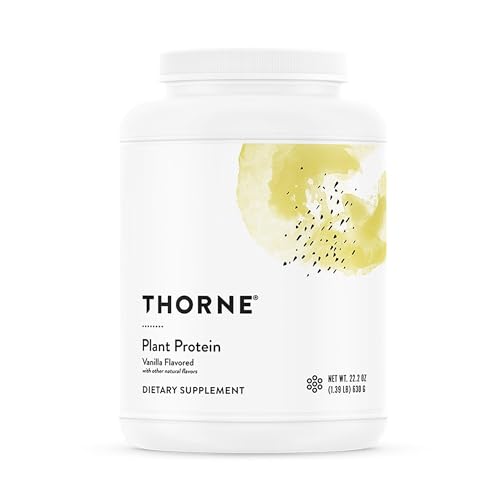
Best for: Those seeking a complete vegan protein blend with multiple plant sources for a full amino acid profile.
Why selected: This formula combines pea, brown rice, and chia for a complete amino acid set. It is NSF Certified for Sport, gluten-free, and free of dairy and soy, making it a versatile option for athletes and those with dietary restrictions.
Limitations: Slightly higher calorie count per serving compared to single-source powders; taste may vary depending on flavor choice.
DEAL SUPPLEMENT Unflavored Pea Protein Powder

Best for: Budget-conscious buyers who want a large 5lb jar with a clean, unflavored base.
Why selected: It emphasizes North American-grown peas and provides 27g of protein per serving with no soy. It’s a solid base for baking or fortifying meals without added flavors.
Limitation: As an unflavored option, it may require additional flavoring for enjoyable daily use.
Buying Guide: Key Considerations for Vegan Pea Rice Protein Powders
- Protein source and purity: Decide if you want a single-ingredient pea protein or a blend with rice or chia for a complete amino acid profile.
- Allergen and dietary needs: Check for gluten-free, soy-free, dairy-free, Non-GMO, organic certifications, and NSF or other third-party verifications.
- Digestibility and taste: Unflavored options are versatile but may require flavor additions. Blends can taste better in smoothies but may add sugars or other ingredients.
- Calories, carbs, and sugar: Compare per serving values if you’re tracking macros. Some powders provide more calories but also essential amino acids or fiber.
- Usage scenarios: Determine if you’ll use the powder for shakes, baking, or meal replacement—some blends perform better in cooking.
- Flavor options vs. unflavored: Vanilla or chocolate flavors can impact recipe versatility versus unflavored powders that are more neutral.
FAQs
- What is vegan pea protein powder best for?
Best for adding clean, animal-free protein to shakes, smoothies, and recipes. Pea protein is a common source for athletes and those avoiding dairy.
- Is there a difference between pea protein isolate and concentrate?
Yes. Isolates are more refined with higher protein content and less carbs, while concentrates may contain more fats and carbs but can be cheaper.
- Should I choose a blend like pea and rice?
Blends often provide a more complete amino acid profile and can improve texture in some recipes, making them a good option for meal replacements.
- Are green peas the same as yellow pea protein?
Both are legumes; most vegan powders use yellow peas for neutral flavor and higher protein content. The color doesn’t affect nutrition much, but extraction methods can.
- Are vegan proteins suitable for athletes?
Many are; check for complete amino acids and BCAA content. Some formulas are NSF Certified for Sport, indicating suitability for athletic use.
Leave a Reply