Best Teas to Support Breast Milk Production and Hydration
Answering the question: which teas can help support breast milk production and postpartum comfort? This guide highlights five lactation teas and explains who each is best for, plus practical notes on use. Ideal for new moms, pumping moms, or those seeking natural herbal options to maintain hydration and milk flow. Below, you’ll find quick at-a-glance comparisons and deeper product details to help you choose smartly.
| Product | Best For | Format | Key Note |
|---|---|---|---|
| Pink Stork Organic Lactation Tea | Most balanced lactation support | Sachets | Fenugreek, fennel, milk thistle plus additional herbs |
| Traditional, certified organic option | Teabags | Organic blend aimed at supporting milk production | |
| Postpartum nursing routine | Loose leaf | Herbal blend designed to boost milk supply | |
| Simple, additive-free formula | Tea bags | Five-herb blend with fennel, fenugreek, nettle | |
| Caffeine-free daily option | Teabags | Single-ingredient milk thistle, mild taste |
Pink Stork Organic Lactation Tea – Fenugreek & More

Best for: Moms seeking a balanced herbal blend that supports milk flow while aiding hydration and recovery. Pink Stork’s Organic Lactation Tea uses fenugreek, fennel, and milk thistle among other herbs to encourage steady milk production and comfort during pumping or nursing. It is caffeine-free and designed for hot or iced consumption. Caution: fenugreek-based blends can affect flavor and may be intense for first-time users; start with one cup daily to assess tolerance.
ULTHMOK Premium 100 Lactation Tea Bags
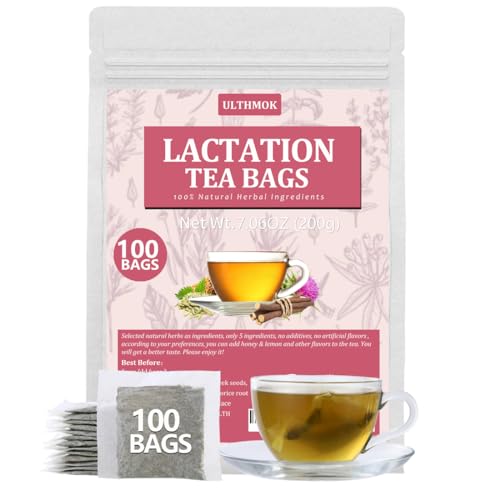
Best for: Those wanting a straightforward, natural blend without additives. ULTHMOK’s tea features five herbs—fenugreek, fennel, milk thistle, nettle, licorice root—grown on farms with no artificial flavors. It’s a simple option for daily use to support lactation. Limitation: the flavor profile may be milder; some users may prefer a stronger herbal note or additional flavorings.
Pink Stork Organic Lactation Tea – Smooth Vanilla

Best for: Moms who want a comforting, vanilla-flavored lactation tea. This Pink Stork blend includes fenugreek, fennel, milk thistle, and other supportive herbs, designed to maintain hydration and rhythm of milk flow. It’s caffeine-free and suitable for hot or iced servings. Limitation: vanilla flavor can vary by batch; if you prefer unflavored varieties, this may feel too sweet for some.
Birth Song Botanicals Nursing Nectar Herbal Tea

Best for: Postpartum moms seeking a trusted, caffeine-free lactation tea with a traditional blend. Nursing Nectar combines chamomile, fennel, fenugreek, lavender, and catnip to promote milk flow and relaxation. It’s designed for 1–3 cups daily as part of a nursing routine. Limitation: as with many herb blends, individual responses vary; monitor baby’s tolerance when introducing new herbs.
Buddha Teas Organic Milk Thistle Tea

Best for: A caffeine-free daily option focused on milk thistle as a gentle lactation-supporting herb. Buddha Teas Milk Thistle Tea emphasizes a mild, earthy flavor suitable for long, soothing sipping. Limitation: single-ingredient focus may appeal less to those wanting a broader herbal profile for lactation.
Buying Guide: Choosing The Right Lactation Tea
What should you look for when selecting a lactation tea? Consider ingredient profiles, caffeine content, and the intended use—nursing, pumping, or recovery. If you’re sensitive to herbs or are juggling multiple medications, consult a healthcare professional before introducing new teas. Look for certified organic options to reduce exposure to pesticides. Evaluate flavor preferences, as a tea you enjoy will support consistent hydration. Additives, artificial flavors, or sweeteners may affect taste and digestion. For best results, pair tea with balanced hydration and a healthy diet.
What blend is best for increasing milk supply?
Herbs historically associated with milk production include fenugreek, fennel, nettle, and milk thistle. Blends combining these herbs can support lactation, but results vary by person. Start with one cup daily and adjust based on tolerance and baby’s reaction.
Is caffeine-free important for lactation teas?
Many lactation teas are caffeine-free, which can help with sleep and hydration. If you tolerate caffeine, check product labels; some blends include caffeine-free formulations designed for daily use during breastfeeding.
How should I brew lactation tea for best results?
Follow package directions typically: steep for several minutes, with or without multiple infusions per sachet. If brewing loose-leaf blends, steep 10–15 minutes for a stronger effect. For pitchers, you can scale the brew by the number of sachets and total water volume.
Who should avoid certain herbs?
Some herbs may not be suitable during pregnancy or for certain medical conditions. Avoid herbal teas not recommended by your clinician if you are pregnant, have thyroid issues, or are taking medications that could interact with lactation herbs.
How does the buying choice vary by lifestyle?
If you’re often on-the-go, convenient tea bags may suit you better than loose leaf. If you value pure herbal profiles, single-ingredient options like milk thistle tea can be appealing. Family or pregnancy plans may steer you toward certified-organic mixes with gentle flavors.
FAQ
- Q: Do these teas guarantee more milk? A: They can support milk flow in some individuals, but results vary and depend on overall breastfeeding practices and health.
- Q: Are these teas safe during pumping and nursing? A: Most are formulated for lactation support; always check ingredient lists and consult a clinician if you have concerns.
- Q: How many cups per day is typical? A: Many blends recommend 1–3 cups daily, but follow product guidelines and your comfort level.
- Q: Can I drink more than one type of lactation tea at a time? A: It’s generally best to limit to one primary tea to monitor tolerance and avoid potential herb interactions.
- Q: Should I choose organic options? A: Organic blends reduce exposure to pesticides and other additives; they are a common preference for daily consumption.
- Q: When should I stop using lactation tea? A: Use as needed during breastfeeding, pumping, or postpartum recovery; discontinue if you notice adverse effects or baby discomfort.
Leave a Reply