Best Sweet Fruity White Wines for Easy Drinking
If you crave wines with forward fruit flavors and approachable sweetness, this guide spotlights five accessible options. These selections suit casual gatherings, dessert pairings, brunches, or anyone seeking a light, fruit-forward sip. Each choice is categorized for who it best serves—from newcomers to wine enthusiasts exploring sweeter profiles—and why it stands out in the realm of sweet fruity white wines.
| Wine | Best For | Why It Stands Out |
|---|---|---|
| Pacific Rim Sweet Riesling | Fans of peach and pineapple, light-bodied with crisp finish | Balanced sweetness with tropical fruit notes |
| Barefoot Riesling | Everyday sipping and casual entertaining | Juicy nectarine and pear with a bright finish |
| Sutter Home Fre White Zinfandel | Brunches and strawberry-forward palates | Fragrant strawberry aroma and smooth, refreshing taste |
| Dr Loosen Dr L Riesling | Semi-dry white wine lovers seeking peach and melon notes | Peachy fruit flavors with a hint of spice and dried pineapple |
| Cook’s Mango Mimosa | Celebrations and sparkling wine fans | Floral aroma with citrus, pear, and ripe mango flavors |
Pacific Rim Sweet Riesling White Wine

Brand: Pacific Rim. Origin: Washington State, Columbia River Valley, USA. Key features include fermentation to about 7% residual sugar and a pronounced sweet profile with pineapple and peach notes.
Best for: Those who want a tropical-fruit-forward Riesling with a clean finish. It suits beginners and light wine drinkers who enjoy sweetness balanced by crisp acidity.
Why selected: This wine showcases a classic sweet Riesling style with fruit-forward aromas and a well-defined finish that helps balance sweetness with acidity.
Caution: Flavor intensity can feel sweeter on the palate if served too cold; allow a few minutes to warm slightly to reveal its fruit complexity.
Barefoot Riesling

Brand: Barefoot. Flavor profile includes tropical and juicy notes with peach and jasmine aromas. Features nectarine and pear flavors with a lingering sweet citrus & honey finish. Zesty and approachable, though vintage variations may occur.
Best for: Everyday sipping, light gatherings, and readers who enjoy juicy, fruit-forward wines without heavy structure.
Why selected: Barefoot Riesling offers vivid fruit character and a smooth finish that makes it a reliable pool of sweetness for casual occasions.
Caution: As with many mass-market wines, flavor can vary by vintage; consider buying within a close time frame to maintain consistency.
Sutter Home Fre White Zinfandel
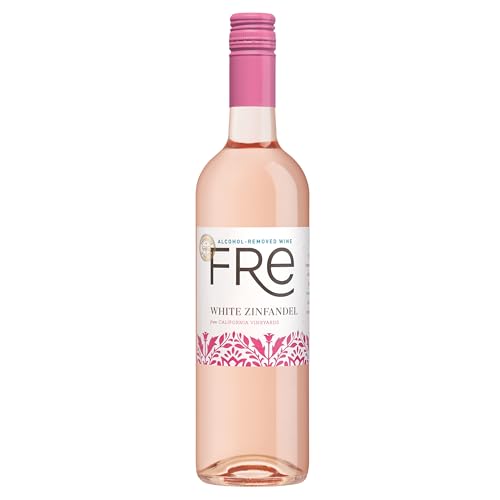
Brand: Sutter Home. Noted for bright strawberry aromas and a smooth, light taste. It features a crisp, fruit-forward profile with a subtle floral note that refreshes on the finish.
Best for: Brunch menus, casual parties, and fans of lighter, fruit-forward wines with a gentle sweetness.
Why selected: White Zinfandel offers a classic approachable sweetness with a recognizable fruit-forward profile that appeals to many casual wine drinkers.
Caution: The strawberry-forward aroma can be strong for some palates; pair with lighter fare to avoid overpowering other flavors.
Dr Loosen Dr L Riesling

Brand: Dr Loosen. This Riesling is noted for off-dry flavors with peach, melon, and apricot accents complemented by a simple, balanced finish featuring spice and dried pineapple notes.
Best for: Wine lovers seeking a semi-dry Riesling experience with nuanced fruit and a touch of spice; pairs well with spicy dishes and fruit-forward desserts.
Why selected: It represents a refined sweetness with a restrained finish, offering more complexity than some very simple dessert wines.
Caution: The finish can feel modest; allow the wine to warm slightly to reveal the fruit layers fully.
Cook’s Mango Mimosa California Sparkling Wine

Brand: Cook’s. This sparkling white wine delivers floral aromas with bright citrus, pear, and mango flavors, offering a festive, bubbly option with a tropical fruit twist.
Best for: Celebrations, brunches, and fans of bubbly wines who want a fruit-forward tropical note in a sparkling format.
Why selected: The Mango Mimosa is a flavorful bridge between sparkling wine and tropical fruit sweetness, ideal for lighter dessert pairings or celebratory sips.
Caution: As with many fruit-forward sparkling wines, the sparkling character may be less pronounced if the bottle is stored too warm or in a dim environment for extended periods.
Buying Guide: Key Considerations For Sweet Fruity White Wines
When selecting a sweet fruity white wine, consider sweetness level, acidity, flavor profile, and occasion. The following questions help refine choices.
What sweetness level fits my palate?
Sweetness ranges from off-dry to dessert-level. Rieslings and White Zinfandels often skew sweeter, while sparkling mango wines may offer brighter acidity to balance sugar. If you prefer a noticeable crisp finish, look for terms like off-dry or semi-dry and test a sample at a tasting bar or in a small bottle.
How important is acidity in a sweet wine?
Acidity keeps sweetness from feeling cloying. Wines with good acidity will feel refreshing and palate-cleansing, making them suitable for food pairing and longer sipping sessions. Rieslings typically provide better acidity balance than some heavier fruit-forward options.
What foods pair well with these wines?
Fruity whites pair nicely with fruit-based desserts, light salads, seafood, spicy foods, and brunch items. For example, peach and pineapple notes work well with light cheeses or a fruit-forward dessert, while strawberry-forward Zinfandel styles pair with berry desserts or fruit tarts.
Should I choose a sparkling option or still wine?
Choose sparkling for celebrations, toasts, or when you want a lively mouthfeel. Still wines with fruit-forward sweetness are excellent for casual sipping and easy pairing with a wider range of foods.
How does origin influence flavor?
Region often imparts distinct fruit profiles and acidity. Riesling from Washington State or Germany tends to showcase bright acidity with stone fruit and citrus notes. California offerings like White Zinfandel or mango-scented sparkling wines emphasize fruit-forward flavors with a softer finish.
What about vintages and variations?
Some brands vary by vintage, especially with rosé-leaning wines or widely distributed brands. If you have a preference for a specific flavor profile, consider checking vintage notes or purchasing from a retailer that can provide consistent stock.
How to store and serve these wines?
Store in a cool, dark place and chill whites before serving. For sweeter whites, slightly cooler temperatures (near 45–50°F / 7–10°C) help preserve aroma and balance. Serve sparkling wines well-chilled but avoid overly cold temperatures which can mute aromatics.
FAQ
- What is a good entry point for someone new to sweet fruity white wines? A Riesling or White Zinfandel with semi-dry to off-dry sweetness and a clean finish is often best for beginners.
- Are these wines good for dessert pairings? Yes, many pair well with fruit-based desserts and light pastries due to their fruit-forward profiles.
- Can I enjoy these wines with spicy foods? Yes, the sweetness can help balance heat, especially when acidity remains reasonably high.
- Do all sweet white wines come from major brands? Not always; many popular options come from well-known labels, but there are numerous boutique labels offering distinct fruit profiles.
- Is there a best drink temperature for these wines? Generally, 45–50°F (7–10°C) is ideal for preserving aroma and balance, with sparkling wines served colder and slightly warmer as they approach room temperature.
- Should I refrigerate after opening? Yes, reseal and refrigerate to slow oxidation and preserve the wine’s sweetness and aroma for a short period.
Leave a Reply