Best Sprouted Grain Bread Flour Options for Healthier Baking
Answering the question: if you’re baking with sprouted grain flour, you’re aiming for better nutrient availability and easier digestion. This guide highlights five sprouted options suited for bread baking and everyday recipes. Best for home bakers seeking gut-friendly grain flavors, and for those who want traceable, organic ingredients. The top picks emphasize sprouted grains like wheat and spelt, with varying sizes for different baking needs.
The following table provides quick, at-a-glance details to help compare these products before you dive into recipes.
| Product | Size | Best for | Notes |
|---|---|---|---|
| One Degree Organic Sprouted Whole Wheat Flour, 80 oz | 80 oz | Bakers wanting large batches of sprouted, whole-grain bread and baked goods | Glyphosate-free, traceable ingredients, easier digestion |
| One Degree Organic Sprouted Whole Wheat Flour, 32 oz | 32 oz | Medium-scale baking, quick bread projects | Same sprouted benefits in a smaller bag |
| One Degree Organic Sprouted Spelt Flour, 32 oz | 32 oz | Bakery-style breads and lighter baked goods | Sprouted ancient grain for added nutrition |
| Sunrise Heritage Organic Bread Flour Blend, 5 lb | 5 lb | Soft, airy loaves with a nutty flavor | Heritage blend; not sprouted but great for bread texture |
| Sunrise Heritage Organic Whole Wheat Flour, 5 lb | 5 lb | Whole-grain bread with robust flavor | Heritage wheat, improved digestibility vs. modern wheat |
One Degree Organic Sprouted Whole Wheat Flour, 80 oz

Product features emphasize traceability and sprouted whole wheat for improved nutrient bioavailability and digestion. Best for large-batch bakers seeking a high-fiber, organic flour with clear farm-source transparency. Avoid if you need a non-sprouted baseline flour or smaller package size.
Who it’s best for: home bakers who want a fully traceable, sprouted grain option in a large, economical bag. Why selected: it delivers the full benefits of sprouting—reduced phytic acid and easier digestion—while maintaining whole-grain nutrition.
Caution: packaging indicates a single-pack size and requires proper storage to maintain freshness over time.
One Degree Organic Sprouted Whole Wheat Flour, 32 oz

Similar to the 80 oz option, this smaller bag offers sprouted whole wheat with traceability. Best for cooks who test new recipes before committing to a larger bag. Better for households baking intermittently or experimenting with sprouted bread flavors.
Who it’s best for: occasional sprouted-wheat bakers or those starting with sprouted flour. Why selected: same core benefits in a smaller format, making it easier to try before committing to bulk buying.
Caution: smaller package may require more frequent restocking for heavy bakers.
One Degree Organic Foods Sprouted Whole Wheat Flour 5lb – LuxProdX

Contains non-GMO, kosher, and organic certifications, making it suitable for households prioritizing clean labeling. Best for those who want a standard 5-pound bag for regular bread baking. Note: brand listing differs from other One Degree products, so verify packaging expectations if you’ve used a different format before.
Who it’s best for: regular bread bakers wanting a reliable sprouted wheat option in a common 5-pound bag. Why selected: aligns with the sprouted, organic, and non-GMO benefits while offering a familiar bag size for consistent use.
Caution: packaging and branding may vary from other One Degree products.
One Degree Sprouted Spelt Flour, 32 oz
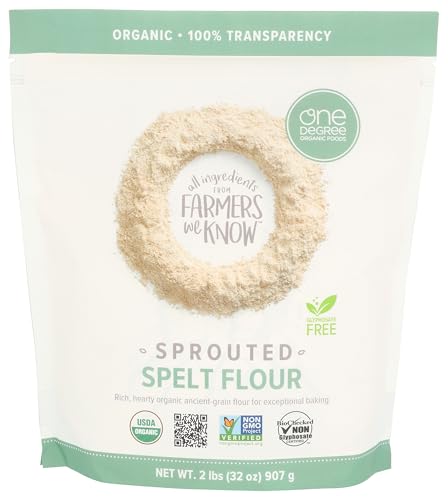
Sprouted ancient grain flour that offers a milder, nutty flavor and easy digestion. Best for bakers seeking a lighter grain option with the benefits of sprouting. Choose this if you want to diversify from wheat with spelt’s distinct profile.
Who it’s best for: bakers looking for a sprouted spelt option to add variety to bread, muffins, and pastries. Why selected: sprouted spelt provides similar nutrient benefits to sprouted wheat with a different flavor footprint.
Caution: flavor and texture differ from wheat-based flours; plan recipes accordingly.
Sunrise Heritage Organic Bread Flour Blend, 5 lb

Heritage blend designed for soft, airy loaves with a nutty flavor. Best for bakers who want an easy-to-use multi-grain bread flour that enhances texture and crust color. Not sprouted, but useful for bread-specific performance and flavor.
Who it’s best for: bread makers seeking a versatile, flavorful blend that bakes well in standard bread applications. Why selected: offers dependable bread-building performance with heritage grain ideas for aroma and texture.
Caution: not a sprouted option; consider supplementing with sprouted flours if sprout benefits are a priority.
Sunrise Heritage Organic Whole Wheat Flour, 5 lb

Heritage wheat with no bleaching, offering a robust, nutty flavor. Best for bakers seeking traditional whole-wheat bread with organic certification and a focus on heritage grains. Not sprouted, but provides an alternative for those who favor pure whole-wheat profiles.
Who it’s best for: those who want a pure organic whole wheat flour for hearty loaves and rustic bread. Why selected: emphasizes heritage wheat and organic integrity for strong loaf structure and flavor.
Caution: sprouted-grain benefits are not present in this option; use in combination with sprouted flours if digestion is a priority.
Buying Guide: Sprouted Grain Bread Flour Essentials
What to consider when choosing sprouted grain flours for bread
- Grain type: Sprouted wheat flour is common and versatile; sprouted spelt offers a nuttier flavor and lighter texture. Decide whether you want wheat, spelt, or a blend for your bread recipes.
- Sprouting benefits: Sprouting reduces phytic acid, increases nutrient bioavailability, and can ease digestion. This matters for those with digestive sensitivity or nutrient-focused diets.
- Package size: For frequent bakers, larger bags reduce per-batch cost; for experimentation, smaller sizes minimize waste.
- Organic and non-GMO: If labels matter for you, prioritize brands with USDA Organic and Non-GMO verification and traceability.
- Flavor and texture: Sprouted flours tend to have milder flavors than some whole-grain blends; consider how it complements your bread’s crust and crumb.
- Storage needs: Keep flour in a cool, dry place; sprouted flours can be more perishable than regular flour, so proper sealing helps maintain freshness.
Frequently Asked Questions
- What is sprouted grain flour?
– Flour milled from grains that were sprouted before milling, aimed at increasing nutrient availability and improving digestion. - Which flours are easiest for bread bakers to use?
– Sprouted wheat and sprouted spelt flours are common choices; blends can also help with texture and rise. - Are sprouted flours gluten-free?
– No; sprouted flours from wheat or spelt contain gluten. Look for gluten-free labels if needed. - Do sprouted flours taste different?
– They often have a milder, slightly nutty flavor and may produce a lighter crumb depending on the recipe. - How should I store sprouted flour?
– Store in a cool, dark place; consider refrigerating or freezing for longer shelf life to preserve nutrients. - Are these flours suitable for bread machines?
– Most sprouted flours can be used in bread machines, but follow your machine’s guidelines and adapt water amounts as needed.
Leave a Reply