Best Spice Seeds for Cooking: Top Picks for Flavorful Dishes
Answering the most common buyer question: which spice seeds deliver reliable flavor for everyday cooking and expert recipes? This guide highlights five versatile seeds ideal for breakfast, lunch, and dinner, plus outlines who each product is best for. From rustic breads to bright dressings, these seeds add depth without overwhelm. The selection favors organic or pure seeds, easy storage, and broad culinary use. Use the summary table to compare key points at a glance.
| Product | Best For | Notes |
|---|---|---|
| 365 by Whole Foods Market Caraway Seed | Bread bakers and European dishes | Organic, robust whole seeds |
| The Spice Way Dill Seed | Pickling, salads, soups | Pure, no additives |
| McCormick Gourmet Organic Yellow Mustard Seed | Pickles, relishes, vinaigrettes | Certified organic, non-GMO |
| Badia Celery Seed Whole | Salad dressings, pickling, soups | Bold, earthy aroma |
| Badia Fennel Seed Whole | Curries, roasts, baked goods | Licorice-like sweetness |
365 by Whole Foods Market Caraway Seed

Best for rich, rye-like notes and European fare. These organic caraway seeds come in a compact 1.76-ounce package, ideal for home bakers and cooks who frequently season breads, cabbage dishes, and sausages. The seeds maintain a bold profile when toasted, releasing a peppery, warm aroma that complements savory meats and stews. Use whole seeds for simmering blends or grind for rubs and spice blends. Caution: store in a cool, dark place to preserve essential oils; ground seeds lose potency faster than whole seeds.
The Spice Way Dill Seed

Best for pickling and seasoning creations that benefit from bright, herbal brightness. These dill seeds are pure, with no preservatives or MSG, making them suitable for quick pickling brines, seafood recipes, and tangy dressings. Dill seeds provide the flavor while offering a smaller, less volatile profile than fresh dill. Choose this if you want a sturdy seed that delivers dill flavor without freshness concerns. Limitation: dill seeds can be overpowering if used in large amounts; start with small quantities and adjust.
McCormick Gourmet Organic Yellow Mustard Seed
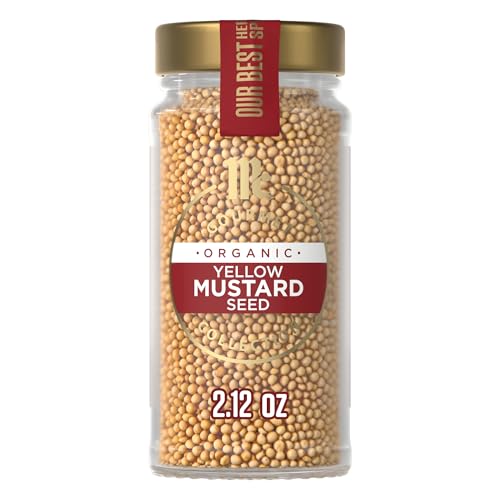
Best for classic pickling and tangy dressings. This organic, non-GMO mustard seed brings a bright, pungent kick ideal for relishes, pickles, and sauces. It’s part of a broader Gourmet line, signaling consistent quality and grind-to-use versatility. If you cook large-batch pickles or want a dependable seed for mustard-based marinades, this is a reliable choice. Caution: avoid over-toasting, which can sharpen bitterness and overwhelm delicate dishes.
Badia Celery Seed Whole

Best for adding a bold, savory note to pickles, salads, and dressings. Celery seed offers a distinctive, aromatic flavor with pepper and citrus hints, making it a strong stand-alone ingredient or a complementary element in spice blends. It’s particularly effective in pickling brines and barbecue sauces. Limitation: whole seeds can be tough to disperse uniformly; consider grinding lightly for even seasoning and better infusion.
Badia Fennel Seed Whole

Best for sweet and savory balance, especially in curries, roasts, and baked goods. Fennel seeds impart a licorice-like sweetness with a fresh, citrusy finish, enriching spice blends and stews. They pair well with pork, fish, and vegetable dishes. Caution: fennel can clash with strong sage or oregano in certain blends; use sparingly when combining bold herbs.
Buying Guide
What seed form should I buy? Whole seeds are best when you want long shelf life and the option to grind fresh. Ground seeds release flavor quickly but lose potency faster. Consider your cooking style and storage space when choosing either option.
Are these seeds organic or non-GMO? Organic and non-GMO options, like the McCormick Organic Yellow Mustard Seed, tend to have fewer additives and may align with certain dietary preferences. If organic is not essential, many standard seeds deliver similar flavor profiles.
How should I store spice seeds? Store seeds in a cool, dark place in an airtight container. Keep away from heat, light, and moisture to preserve essential oils and aroma. For heavily used seeds, consider small, humidity-controlled jars for best freshness.
Which seeds pair well with common dishes? Caraway with rye breads and cabbage; dill for pickles and seafood; mustard seed for relishes and dressings; celery seed in salads and pickling; fennel seed in curries and baked goods. Use combinations to build layered flavor without overpowering the main ingredients.
How much should I use in a recipe? Seeds are potent; start with small amounts (about 1/4 to 1/2 teaspoon) and increase gradually. Ground seeds require even smaller initial quantities due to faster flavor release.
Frequently Asked Questions
- What is the best seed for pickling? Yellow mustard seed and dill seed are common cornerstones for brines and relishes, depending on the desired tanginess.
- Are these seeds gluten-free? Yes, seeds themselves do not contain gluten, but check packaging for cross-contamination if you’re highly sensitive.
- Should I grind seeds before use? Grinding releases flavor quickly; grind just before cooking to maximize aroma and potency.
- How long do seeds stay fresh? When stored properly, whole seeds retain best flavor for up to a year; ground seeds lose potency faster, often within a few months.
- Can I replace seeds with ground versions? In many recipes, ground seeds work, but you may need to adjust quantities since ground seeds are more potent.
- Which seed is best for sweet dishes? Fennel seeds add licorice-like sweetness that complements desserts and spiced bakes.
Leave a Reply