Best Sparkling Italian Wine Spumante Picks for Every Occasion
Direct answer: for sparkling Italian wines, Spumante varieties offer sweet and fruity profiles ideal for celebrations, cocktails, or easy-to-enjoy aperitifs. This guide highlights five accessible options that cover alcohol-containing and 0% choices, plus a classic Asti-style sparkler. Each pick is paired with who it’s best for and why it stands out. Whether you want a dessert-like sweetness, a rose fizz, or a prosecco-style sparkle, these selections fit common entertaining and casual sipping needs.
Overview: the top five picks focus on Italian sparkling styles that pair well with gatherings, brunches, or solo enjoyment. The buyers here range from those seeking a sweet, light-bodied sip to those who want a zero-alcohol alternative that still feels festive. Below is a quick summary of the chosen products to help you compare at a glance.
| Product | Brand | Type | Best For |
|---|---|---|---|
| Andre Spumante | andré | Sparkling White, Sweet | Sweet wine lovers and brunch mimosas |
| Hup Alcohol-Free Sparkling Wine | Tita Italian | 0% Sparkling | Non-alcoholic celebratory sips |
| Pizzolato Spumante Dolce Moscato | Pizzolato | Dolce Moscato Sparkling | Fragrant, dessert-like sparkle |
| Pizzolato M*USE Spumante Brut Rose MWOG | Pizzolato | Brut Rosé Sparkling | Rosé enthusiasts and festive toasts |
| Martini & Rossi Asti Spumante | Martini & Rossi | Asti Spumante | Aromatic Moscato with sweet finish |
Andre Spumante Sparkling White – 750 mL

Origin and style: Light-bodied, sweet and crisp white wine with flavors of peach and honey. Best for celebrations, brunches, or simple sipping.
Who this is best for: Buyers seeking an approachable, fruit-forward sparkling wine that can be enjoyed on its own or used in sparkling cocktails and mimosas. It’s a good choice for guests who prefer a sweet, easy-drinking profile.
Why selected: It provides a classic sweet-spumante experience in a familiar bottle size and style, making it a versatile party option.
Limitations: The sweetness may be too pronounced for those who prefer dry sparklers; best served well-chilled for balance.
Hup Alcohol-Free Sparkling Wine – 750 ml
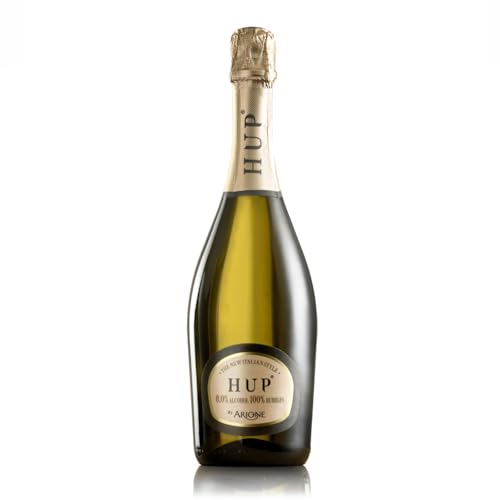
Origin and style: 0% alcohol, Italian grape must-based sparkling beverage. Delivers a sophisticated, refreshing alternative to traditional spumante.
Who this is best for: Non-drinkers, designated drivers, or guests who want a festive non-alcoholic option without compromising flavor.
Why selected: Offers an authentic Italian-inspired sparkle with a crisp finish, suitable for budget-friendly celebrations.
Limitations: Flavor notes emphasize sweetness and balance; may not mimic the exact mouthfeel of alcoholic sparklers for some tasters.
Pizzolato Spumante Dolce Moscato – 187 mL

Origin and style: Moscato-based sparkling wine, sweet and aromatic, packaged in a small 187 mL bottle for tasting or single servings.
Who this is best for: Those seeking a compact, dessert-like sparkling option or a test-run for Moscato-style sparklers.
Why selected: Highlights a popular Moscato-driven sparkling option, offering a convenient size for sampling or gifting.
Limitations: Smaller bottle size may not suit large gatherings; quantity may be limiting for toasts or parties.
Pizzolato M*USE Spumante Brut Rose MWOG – 750 mL

Origin and style: Italian sparkling wine, Brut Rosé. Alcohol content 11% ABV.
Who this is best for: Rosé fans and those who want a slightly drier style with pink-hued charm at gatherings.
Why selected: Combines the appeal of Rosé with sparkling structure, making it a practical toasting wine for diverse menus.
Limitations: Rosé sparklers can vary in sweetness; this choice may skew drier for some palates.
Martini & Rossi Asti Spumante – 750 mL

Origin and style: Piedmont, Italy; Moscato Bianco-based sparkling wine known for a sweet, aromatic profile.
Who this is best for: Fans of fruit-forward, dessert-like sparklers suited for celebrations or easy pairings with fruit-tavored desserts.
Why selected: A classic Asti Spumante option with a long-standing presence in Italian sparkling wine culture.
Limitations: Some tasters may find Asti too sweet or aromatic if they prefer drier sparklers.
Buying Guide: Key Purchase Considerations
What to look for when choosing a sparkling Italian wine. Consider sweetness level, alcohol content, and serving temperature to match your occasion. For a party, a fruit-forward sweet spumante or an Asti can be more inviting to a broad audience. For non-alcoholic options, ensure the beverage provides a satisfying sparkle and balanced flavor without alcohol.
How to compare styles quickly. Use these categories: sparkling white sweet (Dolce), Brut (dry), Rosé, Prosecco-style, and non-alcoholic. Each category has distinct flavor notes and pairing opportunities with foods, desserts, or cocktails.
Serving and pairing tips. Serve well-chilled, typically around 6–8°C (43–46°F) for most sparklers. Pair sweeter sparklers with fruit-based desserts, soft cheeses, or brunch bites. Dry sparklers balance with seafood, light pastas, or salty snacks. Rosé sparklers pair nicely with berries and salads featuring citrus or vinaigrettes.
Frequently Asked Questions
- What is Spumante? Answer: Spumante is an Italian sparkling wine that is typically fully sparkling via the Charmat method, offering a range of sweetness from dry to sweet.
- Which Sparkling Italian wine is best for cocktails? Answer: The Andre Spumante or similar sweet sparklers work well in sparkling cocktails and mimosas due to their fruit-forward profile.
- Are non-alcoholic sparklers worth trying? Answer: Yes, non-alcoholic options like Hup provide a festive feel with a balanced, refreshing profile for designated drivers and abstainers.
- What foods go best with Asti Spumante? Answer: Sweet, fruity sparklers pair well with fruit dishes, light desserts, and creamy cheeses.
- How should I store sparkling wines after opening? Answer: Re-seal with a stopper and refrigerate; consume within 1–3 days for best fizz and flavor retention.
- Is Prosecco considered Spumante? Answer: Prosecco is a type of sparkling wine from Veneto; many sparklers on the market are labeled Spumante, but Prosecco can be labeled as Spumante when it is fully sparkling.
Leave a Reply