Best Naturally Brewed Soy Sauce Choices for Every Kitchen
Discover the best naturally brewed soy sauces that deliver rich umami, depth, and authentic flavor. This guide highlights five top options suited for different cooking needs—from everyday stir-fries to artisanal, chef-influenced dishes. Whether you prioritize traditional brewing, deep color, or balanced sweetness, these selections help you choose confidently. Each product section explains who it’s best for and why it stands out, plus a practical caution where applicable.
| Product | Best For | Notes |
|---|---|---|
| Takesan Kishibori Soy Sauce | Classic, deeply brewed flavor for everyday meals | Over a year aged in cedar vats; rich umami |
| Lee Kum Kee Premium Dark Soy Sauce | Dishes needing color and a mellow, robust profile | Non-GMO beans; less salty than light soy sauce |
| YAMASAN Kyoto UJI Artisanal Dark Soy Sauce | Chef-quality, nuanced umami with refined finish | 500+ days of aging; handcrafted |
| Kikkoman Naturally Brewed Tamari | Gluten-free style (tamari) or richer sauces | Rich color; smooth taste |
| Sempio Naturally Brewed Soy Sauce 701 | Bold Korean-style umami for grilling and bibimbap | Deep aroma; balanced saltiness |
Takesan Kishibori Soy Sauce (Original, 12.2 Fl oz.)

The Takesan Kishibori soy sauce is a traditionally brewed koikuchi made from whole soybeans, wheat, and sun-dried salt. It is aged and pressed from mash in cedar vats, a process that fosters a rich, thick “hishio moromi” with pronounced umami. Best for home cooks seeking a deeply authentic flavor with a strong finish, and for recipes where a traditional soy profile can shine, such as marinades and simmered dishes. A potential limitation is its assertive flavor, which may overpower milder sauces in delicate recipes.
Lee Kum Kee Premium Dark Soy Sauce

This dark, naturally brewed soy sauce uses non-GM soybeans to deliver a deep color and a mellow, slightly sweet flavor with reduced saltiness. It’s ideal for adding rich color to stews, gravies, braised dishes, and noodles while maintaining a balanced profile. Choose this if your goal is a visually appealing sauce that enhances color without overwhelming taste. Caution: the milder saltiness means it may require recipe adjustments if you’re replacing a stronger dark soy in a dish.
YAMASAN Kyoto UJI Artisanal Dark Soy Sauce

YAMASAN Kyoto UJI’s artisanal dark soy sauce is crafted with traditional methods and aged for over 500 days. It delivers deep umami, a refined aroma, and a smooth, balanced finish. Best for high-quality cooking where an authentic Japanese soy sauce accent is desired—perfect for marinades, sauces, and finishing dishes. It’s best for cooks who value craftsmanship and nuanced flavor. Limitation: the premium, long-aging process means it may be priced higher than mass-produced options.
Kikkoman Naturally Brewed Tamari Soy Sauce

Kikkoman Tamari is a naturally brewed soy sauce with a slightly higher color and a smooth, robust profile. It uses a touch of wheat to balance flavor and provides depth to a wide range of dishes, from marinades to dipping sauces. Best for cooks seeking a fuller body without overpowering saltiness. Caution: tamari is often gluten-containing; verify dietary needs if gluten-free is essential.
Kikkoman Traditionally Brewed Soy Sauce (1 Gallon)

This all-purpose, traditionally brewed soy sauce by Kikkoman is designed for versatile use, offering a complex flavor, delicate aroma, and reddish-brown color. It pairs well with a broad range of foods and is suitable for marinades, braises, and stir-fries. Best for cooks who want a reliable, widely available sauce with a classic profile. Limitation: as a mass-produced option, it may not deliver the same artisanal nuance as long-aged, small-batch brews.
Sempio Naturally Brewed Soy Sauce 701
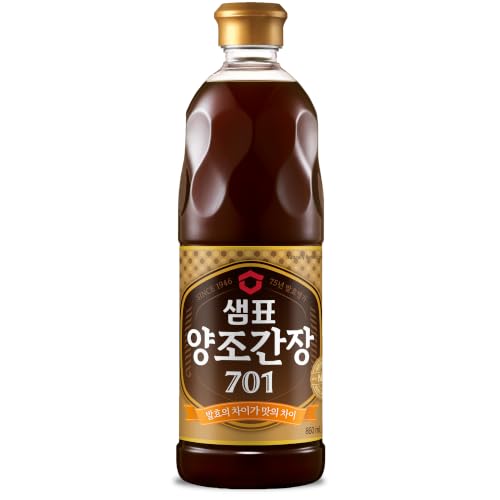
Sempio 701 is a naturally brewed Korean soy sauce brewed to a high fermentation index, delivering deeper umami and a bold flavor. It balances saltiness with subtle sweetness and a roasted aroma, making it ideal for kimchi, bibimbap, bulgogi, and noodle dishes. Best for Korean-inspired cooking or when you want a distinct roasted aroma. Caution: flavor can be assertive; start with smaller amounts in delicate dishes.
Buying Guide: Key Purchase Considerations
What brewing method matters? Naturally brewed soy sauces rely on fermentation rather than chemical processes. Traditional koikuchi (dark) sauces often offer stronger umami and color, while tamari can be gluten-free and milder in sweetness. Consider your dietary needs, such as gluten content and non-GMO ingredients, when selecting a bottle.
Flavor profile and use cases
Match the sauce to your dish: use robust, dark soy sauces for braises, stews, and glaze-heavy dishes; lighter options for stir-fries where you want a subtler presence. For dipping or finishing, a sauce with pronounced aroma and deep color adds visual appeal and flavor depth.
Color, aroma, and thickness
Color largely affects presentation; deeper hues can influence perceived flavor. Thicker, richer sauces cling to foods better, which is beneficial in marinades and glazes. Consider viscosity in relation to your cooking method and equipment.
Ingredients and dietary considerations
Check for non-GMO soybeans, wheat content, and any allergen statements. Tamari variants may be gluten-free; confirm product labels if dietary restrictions apply. Some brands emphasize clean labels with no added MSG or artificial flavors.
Price and availability
Artisan or aged sauces tend to be priced higher due to craftsmanship. Mass-produced options offer consistency and wide availability. Weigh value against flavor requirements for your recipes and budget.
Usage tips for best results
- Use naturally brewed soy sauces as a base for marinades to enhance umami.
- Start with a smaller amount and adjust, since deeper sauces can be potent.
- Store away from heat and sunlight to preserve flavor and color.
FAQ
- What is naturally brewed soy sauce? – A soy sauce produced through traditional fermentation using soybeans, wheat, salt, and a starter culture, rather than chemical hydrolysis.
- Which soy sauce is best for grilling? – Dark, richer, naturally brewed sauces provide depth to grilled meats and vegetables.
- Is tamari gluten-free? – Tamari can be gluten-free, but always check the label, as some brands include small amounts of wheat.
- Can I substitute light soy sauce for dark soy sauce? – Substituting may alter color and intensity; adjust quantity carefully to avoid overpowering the dish.
- Do these sauces contain MSG? – Many naturally brewed sauces omit added MSG; verify each product’s ingredients if this is a concern.
- Are these sauces suitable for vegetarians? – Most naturally brewed soy sauces are vegan, but always read the label for any additives.
Leave a Reply