Best Seaweed in a Jar: Top Picks for Easy Umami Additions
Seaweed in a jar offers convenient, shelf-stable ways to add umami, fiber, and minerals to meals. This guide highlights five Amazon picks that suit different needs—from everyday pantry staples to flavorful toppings for rice, soups, and salads. Ideal for busy cooks, sushi lovers, and fans of Japanese cuisine, these options range from traditional tsukudani pastes to ready-to-use wakame and seaweed salads. The selections emphasize authenticity, clean ingredients, and practical usefulness in everyday cooking.
Quick buying snapshot:
| Product | Best For | Notes |
|---|---|---|
| Takesan Tsukudani of Seaweed in Bottle | Traditional flavor lovers | Tsukudani style, soy sauce-based |
| Premium Japanese Seaweed Salad | Seaweed lovers and snackers | Seasoned wakame with sesame dressing |
| Momoya Seaweed Paste Tsukudani | Rice and noodle toppers | Large value pack, low fat |
| 8oz Dried Wakame Seaweed | Home cooking and miso soup | Pre-cut, quick rehydration |
| YAMASAN Kyoto Uji Nori Tsukudani | Umami paste enthusiasts | Triple-umami flavor, Made in Japan |
Takesan Tsukudani Of Seaweed In Bottle

The Tsukudani-style seaweed combines NORI (kelp) and bonito flavors cooked in Shodoshima soy sauce. This traditional Japanese preparation has a 400-year history, making it a good match for cooks seeking authentic taste. Best for fans of soy-sauce-rich tsukudani and as a flavorful topping for hot rice. A note: expect a strong savory profile typical of tsukudani, which may be more intense than milder seaweed pastes.
Who it’s best for: cooks craving classic tsukudani flavor, traditional Japanese pantry fans, and anyone who enjoys a soy-forward seaweed condiment.
Why selected: it showcases a historic preparation method in a convenient bottle, ideal for quick flavor boosters. Limitations: the soy sauce base adds sodium and strong savor, which may not suit all diets.
Premium Japanese Seaweed Salad
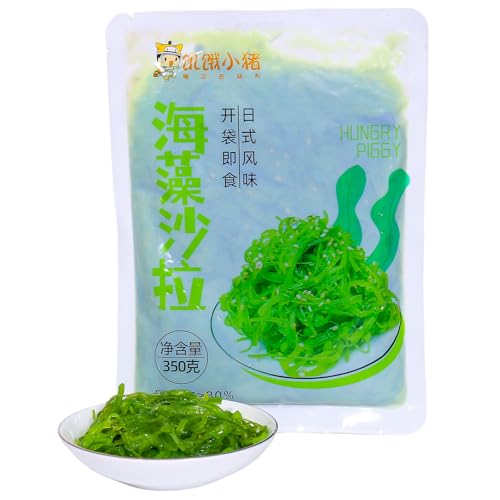
This wakame-based seaweed salad features a sesame dressing, making it a versatile side or topping for sushi, bowls, and soups. It’s rich in dietary fiber and minerals, providing a ready-to-use option for quick meals. Best for those seeking a flavorful, sesame-seasoned seaweed product that doubles as a snack or garnish.
Who it’s best for: home cooks who want an easy, sesame-flavored seaweed addition to bowls or sides, and for people who enjoy a ready-to-eat seaweed salad without extra prep.
Why selected: a convenient, standalone salad with broad appeal. Caution: pre-seasoned products can be higher in sodium; portion control helps maintain balance in meals.
Momoya Seaweed Paste Tsukudani

Momoya Tsukudani is a traditional simmered seaweed paste made in Japan, offering rich umami that pairs well with rice, noodles, and a range of dishes. The value pack size (390 g) provides ample servings, making it a practical choice for families or frequent usage. Best for fans of a smooth, paste-style seaweed condiment with pantry-friendly value.
Who it’s best for: households seeking a long-lasting, versatile tsukudani paste to top grains and noodles, or anyone who uses seaweed paste regularly in recipes.
Why selected: strong, authentic flavor in a convenient large format. Caution: some users may prefer a chunkier texture over a paste for certain dishes.
YAMASAN Kyoto UJI Nori Tsukudani

This Kyoto Uji nori tsukudani paste features triple-umami flavor, leveraging seaweed from Mie Prefecture and slow cooking to preserve aroma and texture. Made in Japan, it offers a traditional, savory-sweet profile suitable for rice and various toppings. Best for those seeking a premium, deeply flavored nori paste with authentic Japanese craftsmanship.
Who it’s best for: connoisseurs of tsukudani and those who want a refined nori paste with a strong, layered umami note. Limitations: paste texture may not suit every dish preference; some might prefer a thinner sauce for drizzling.
Seaweed Paste, Nori Tsukudani, SUI of Tokyo

Made in Japan with no MSG, no preservatives, no additives, and non-GMO ingredients, this nori tsukudani emphasizes a clean ingredient list. The blend highlights Hyogo-prefecture nori with oboro kombu. Best for shoppers who prioritize additive-free labeling and a natural, straightforward seaweed paste.
Who it’s best for: buyers seeking simple, authentic seaweed paste ingredients and a minimalistic flavor profile. Limitation: may lack additional flavor boosters found in more seasoned pastes.
Premium Japanese Seaweed Salad Mix (Three Packs)

This three-pack of sesame-seasoned wakame offers authentic Japanese flavors in a gluten-free, non-GMO format. Each pack includes 100 grams, totaling 300 grams. Best for households that want multiple ready-to-use seaweed servings or to stock up a pantry staple for bowls and miso soup.
Who it’s best for: families and meal preppers needing a dependable seaweed salad mix with traditional sesame seasoning. Caution: sesame seasoning may affect allergy considerations for some diners.
Buying Guide: Key Purchase Considerations
What type of seaweed do you want? Tsukudani pastes provide savory, soy-rich flavors; wakame salads offer milder, sesame-seasoned options; dried wakame requires quick rehydration for use in soups or bowls. Consider the preparation time and desired texture when choosing.
Are ingredients important? Look for additive-free, non-GMO, or minimal-sodium labels if you are seeking cleaner products. Traditional tsukudani relies on soy sauce; individuals monitoring sodium should balance portions accordingly.
What’s your culinary goal? Use tsukudani pastes as toppings for rice and noodles; wakame salads as ready-to-eat sides or garnishes; seaweed pastes for sauces and flavor bases. Choose products that align with your preferred meals and dietary needs.
Storage and shelf life matter. Jarred seaweed pastes and sealed wakame are convenient for long-term pantry storage. Check packaging for freshness indicators and storage directions to preserve flavor and texture.
Texture preferences. Some people want smooth pastes; others prefer chunkier textures or shredded wakame. Review product notes to match texture with your recipe needs.
FAQ
- What is tsukudani? A traditional Japanese preparation where seaweed is simmered in soy sauce, sugar, and mirin to create a savory paste or glaze.
- Is seaweed in a jar healthy? Seaweed provides fiber, minerals, and umami; choose additive-free options when possible for cleaner nutrition.
- How long does opened seaweed paste last? Follow the package directions; many pastes require refrigeration after opening and use within a defined period.
- Can I use seaweed paste on rice? Yes, it adds umami and moisture; it’s a common topping in Japanese cuisine.
- Is wakame gluten-free? Most dried wakame is gluten-free, but always check labels to confirm as production environments vary.
- What is best for miso soup? Dried wakame or ready-to-use seaweed salad mixes can be added to miso soup to boost texture and flavor.
Leave a Reply