Best Sage Green Food Coloring Mixes for Foodies and Bakers
Looking for the ideal sage green food coloring to achieve vibrant, natural-looking hues in frosting, chocolate, and fondant? This guide highlights five top sage-green options, suitable for different culinary needs. Best for buttercream enthusiasts, sugar paste decorators, and chocolate canciers alike. Each product is explained with who it’s best for, its standout benefits, and a practical limitation to consider.
| Product | Type | Best For | Notes |
|---|---|---|---|
| Colour Mill Oil Blend Sage | Oil-based | Buttercream, ganache, fondant | Vibrant, allergen-free |
| AmeriColor Sage Soft Gel Paste 0.75 oz | Soft gel paste | Royal icing, fondant, cookies | High pigment, no aftertaste |
| Colaele Sage Green Oil Based | Oil-based | Chocolates, candies, cosmetics | Ultra-pigmented, versatile |
| Colour Mill Aqua Blend Sage | Water-based | Royal icing, macarons, beverages | No added sugar |
| AmeriColor Sage Soft Gel Paste 4.5 oz | Soft gel paste | Large projects, consistent batches | Very large size, strong pigment |
Below, five carefully chosen sage-green colorings are examined for texture, usage, and best-for scenarios. This comparison helps you pick the right formula for your project, whether you’re decorating macarons, piping buttercream, or coloring chocolate.
Colour Mill Oil Blend Sage
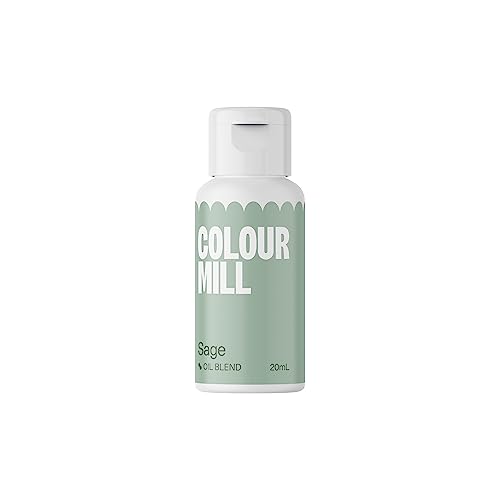
This oil-dispersed color blends into fats and oils, delivering color-rich and vibrant results. Best for buttercream, Swiss meringue, chocolate, cake batter, ganache, and fondant. Allergen-free formulation supports broad usage. Best for decorative layers in cakes and confections where a smooth, oil-based finish is desired. Caution: highly concentrated; use sparingly to avoid oversaturation.
AmeriColor Sage Soft Gel Paste 0.75 Ounce
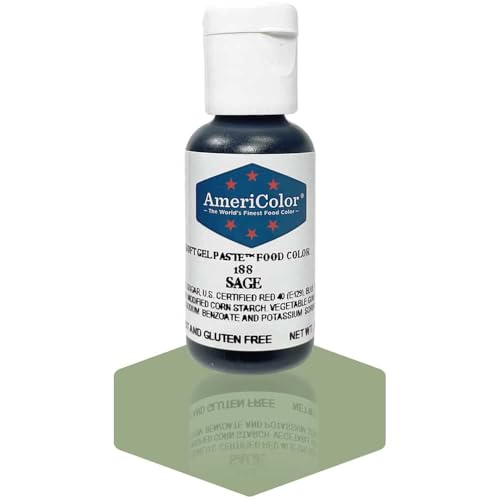
This soft gel paste delivers concentrated color with minimal product, making it ideal for royal icing, buttercream, rolled fondant, macarons, cookie dough, and more. Best for small to medium projects where precise, long-lasting color is needed. A caution: some users note the pot can be stiff; warm slightly to ease dispensing.
Colaele Sage Green Oil Based

Ultra-pigmented and highly concentrated, this oil-based color blends smoothly into oils, fats, and batters without streaks. Best for chocolates, candy melts, and other fat-rich bases. Choose this if you need a small amount of dye for bold results. Limitation: oil-based colors can slightly alter texture if overused in delicate recipes.
Colour Mill Aqua Blend Sage

Water-based and ideal for products incompatible with oil and fat. Suitable for royal icing, macarons, jellies, fondant, and meringue, as well as beverages. Best for projects requiring a clean, non-oil finish and easy cleanup. Caution: may require multiple drops to reach a deep sage tone on larger surfaces.
AmeriColor Sage Soft Gel Paste 4.5 Ounce

A larger-size gel paste suitable for extensive projects, such as large batches of fondant or multiple cake layers. Best for decorators who need consistent coloring across many items. Limitation: larger volume requires careful storage and portioning to maintain pigment freshness over time.
Buying Guide
What to consider when choosing sage green food coloring:
- Color base: Oil-based colors blend best with butter, chocolate, and fondant, while water-based colors suit royal icing and beverages. Choose based on your main medium.
- Concentration: Gel pastes are more concentrated than liquids. Start with small amounts and color gradually to avoid oversaturation.
- Flavor impact: Most pigment additives are tasteless, but oil-based formulas can subtly affect texture in very delicate recipes. Test in small batches.
- Usage scenario: For large-volume projects, a bigger bottle may be more economical; for cake decorating, a small, precise bottle offers better control.
- Allergen and dietary considerations: Allergen-free options expand versatility for different guests and dietary needs.
Practical tips: document your color results with notes on the exact number of drops or grams used, especially when reproducing a specific sage shade across multiple items.
FAQ
- What is the difference between oil-based and water-based sage green colorings?
Answer: Oil-based colors blend into fats and oils for chocolate and buttercreams, while water-based colors suit royal icing and meringues; texture and finish differ accordingly. - Which sage green color is best for macarons?
Answer: Water-based Aqua Blend is well-suited for macarons, as it mixes cleanly into meringue-based batters without oil interference. - Should I choose a small bottle or a large bottle for baking classes?
Answer: A small bottle is convenient for classes with multiple colors; larger bottles are economical for frequent, large-batch projects. - Can sage green colors affect taste?
Answer: Most professional colorings are tasteless; however, some oil-based formulas can have a slight effect if used in high concentrations. - Is it better to mix two shades to achieve sage?
Answer: Yes, blending a blue-green with a touch of yellow-green can yield a natural sage shade; adjust gradually to avoid muddy results. - Are all these products suitable for candy making?
Answer: Yes, many are designed for chocolates, candy melts, fondant, and other confections, but verify compatibility with your base before use.
| Product | Best For | Concentration Tip | Notes |
|---|---|---|---|
| Colour Mill Oil Blend Sage | Buttercream, fondant | Begin with 1–2 drops | Allergen-free |
| AmeriColor Sage Soft Gel Paste 0.75 oz | Royal icing, cookies | Pinch then whisk | No aftertaste |
| Colaele Sage Green Oil Based | Chocolates, candy | Small amount first | Very pigmented |
| Colour Mill Aqua Blend Sage | Fondant, beverages | Drop-by-drop | No added sugar |
| AmeriColor Sage Soft Gel Paste 4.5 oz | Large projects | Measure by weight | Large size, strong pigment |
Leave a Reply