Best Rose Water Essence for Cooking: A Buyer’s Guide to Flavorful Desserts and Dishes
Answering the question: rose water essence can elevate desserts, beverages, and savory dishes with a delicate floral note. This guide highlights five accessible options, detailing who they’re best for and why they stand out. Whether you’re a home cook, a professional pastry maker, or creating Middle Eastern, Indian, or Mediterranean-inspired menus, these rose waters are chosen for versatility, aroma, and practical use in cooking and garnishing. The quick-reference table below helps you compare at a glance.
| Product | Brand | Best For | Notes |
|---|---|---|---|
| CORTAS Rose Flower Water, 10 OZ | Cortas | Desserts and creamy puddings | From Lebanon; supports local economy |
| Angel Bake Pure Bulgarian Rose Extract, 2 oz | SAENA BAKING CO | Concentrated flavoring and aroma | Steam-distilled; great for syrups |
| Nielsen-Massey Rose Water for Baking, 4 oz | Nielsen-Massey | Professional-grade cooking and drinks | All-natural, premium sourcing |
| govedic Rose Water for Cooking, 100 ml | govedic | Cooking, cocktails, and edible uses | Food-grade; Damascus roses |
| Rabee Rose Water Imported 15 oz | RABEE | Persian, Middle Eastern, and dessert dishes | Large size; aromatic |
CORTAS Rose Flower Water, 10 OZ
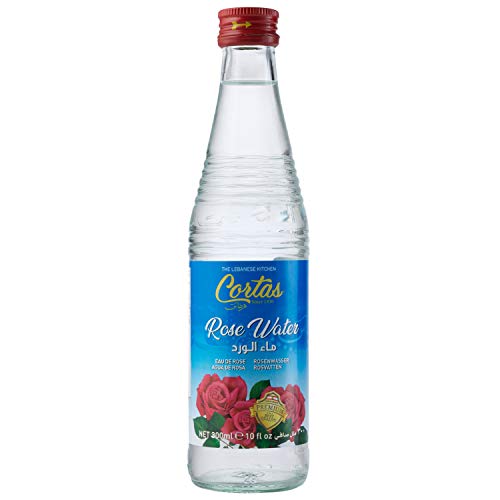
Cortas Rose Flower Water is a classic choice for cooks seeking a balanced, approachable rose aroma. It’s a product of Lebanon and is noted for supporting local economies. Use a splash in creamy tapioca or rice pudding and finish with chopped pistachios for an elegant dessert. Best for home bakers and dessert enthusiasts looking for a reliable, versatile rose water.
Who it’s best for: home cooks, dessert makers, and anyone new to rose water who wants a dependable starter bottle. Why selected: it offers a traditional flavor profile with easy integration into everyday recipes. Caution: as with all rose waters, start with a small amount and adjust to taste to avoid overpowering sweetness.
Angel Bake Pure Bulgarian Rose Extract, 2 oz

Angel Bake Rose Extract is a concentrated option from the Bulgarian rose valley. Steam-distilled from Rosa damascena, it’s intensely floral with citrus brightness and a hint of spice. It can replace separate rosewater and rose syrup in many recipes. Best for bakers and chefs who want a potent, aroma-forward component without diluting flavors through added water.
Who it’s best for: professionals and experienced home cooks who need a strong rose presence in syrups, creams, or pastries. Why selected: its dual-use potential (rosewater and syrup) reduces additional steps. Caution: its high potency means you should use sparingly to avoid overpowering dishes.
Nielsen-Massey Rose Water for Baking, Cooking and Drinks, 4 Ounce Bottle

Nielsen-Massey Rose Water is a premium, steam-distilled product praised in professional kitchens for its delicate, refined floral notes. It’s designed for baking, cooking, and drinks, with all-natural flavor and a long-standing reputation. This option is suited to dishes where a clean rose aroma is essential and where authenticity matters.
Who it’s best for: serious home cooks and chefs seeking a trusted, high-quality rose water. Why selected: recognized for consistency and pure flavor. Caution: higher price point and smaller bottle size may require careful portioning in large batches.
govedic Rose Water for Cooking, 100 ml

govedic Rose Water is marketed as a 100% food-grade product suitable for cooking, baking, and cocktails. It emphasizes Damascus rose petals and a steam-distillation process. It’s positioned for cooks who want a versatile rose water that can also be used in skincare, though the culinary focus remains strong.
Who it’s best for: cooks who want a versatile, budget-friendly option with a broad culinary range. Why selected: food-grade assurance and explicit mention of edible use. Caution: data notes that it also supports skin applications, which may imply a broader formulation; ensure you use the culinary portion accordingly.
Rabee Rose Water Imported 15 oz
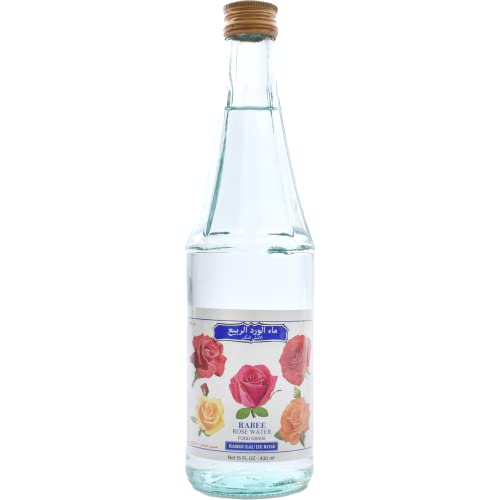
Rabee Rose Water is a large-format option designed for baking, flavoring drinks, and Persian or Middle Eastern desserts. It provides an aromatic, natural-rose flavor suitable for bulk use in kitchens or catering settings. Best for: cooks who need a generous supply for regular dessert and beverage production. Why selected: the larger bottle helps maintain cost-efficiency in higher-volume recipes. Caution: larger sizes may require careful storage to maintain freshness after opening.
Buying Guide
What should you consider when choosing rose water for cooking?
- Intended use: For delicate pastries or beverages, choose a lighter, pure rose water (like Nielsen-Massey). For syrups and strong desserts, a concentrated extract (like Angel Bake) may be more efficient.
- Flavor intensity: Distilled damask rose varieties offer nuanced aroma; Bulgarian rose extract delivers a more robust, citrusy lift. Pick based on the dish and desired floral intensity.
- Source and processing: Steam-distilled, all-natural formulations tend to deliver cleaner flavors that align with authentic regional cuisines.
- Quantity and shelf life: For frequent cooks, larger bottles save cost but require proper storage away from light and heat to preserve aroma.
- Versatility vs. specialization: If you cook across many cuisines, a versatile option (like the 4 oz Nielsen-Massey or Rabee 15 oz) balances aroma with practical use.
Practical tips for using rose water in cooking
- Start with drops: Rose water can quickly become overpowering; add gradually, tasting as you go.
- Pairing guidance: Use rose water with pistachio, almonds, or citrus to complement floral notes.
- Mist and finish: A fine mist works well on whipped creams, ice creams, or desserts being plated; avoid soaking delicate pastries with excess liquid.
Storage and care
- Keep in a cool, dark place—refrigeration is optional but can extend aroma life after opening.
- Seal tightly to prevent aroma loss and flavor drift between bottles.
FAQ
- What is the best rose water for desserts? – Nielsen-Massey Rose Water is a reliable, delicate option ideal for desserts and drinks, offering a clean floral note without overpowering sweetness.
- Can I use rose extract instead of rose water? – Yes, but start with a smaller amount of extract because it is more concentrated; dilute with water if needed for recipes calling for rose water.
- Is rose water safe for drinking? – Many rose waters are labeled edible or food-grade; always follow product labeling and use only as directed in cooking or beverages.
- Which size should I buy for a busy kitchen? – A larger bottle, like Rabee’s 15 oz, is cost-effective for frequent use, but ensure you can store it properly to maintain freshness.
- Should I refrigerate rose water after opening? – Refrigeration is optional; it can help preserve aroma longer, especially in hotter climates.
- Can rose water be used in savory dishes? – Yes; it’s used to fragrance rice, stews, and sauces, adding a subtle floral lift to complex flavors.
Leave a Reply