Best Roasted Red Rice Flour Options for Gluten-Free Baking
Roasted red rice flour is a gluten-free option prized for a slightly nutty, earthy note and vibrant color in both traditional and modern recipes. This guide highlights five solid choices, detailing who each product is best for and why it stands out. Ideal buyers include home bakers seeking gluten-free textures, cooks making traditional South Asian breakfasts, and anyone exploring alternative flours for thickening or coating. A quick comparison table below helps you skim key differences at a glance.
| Product | Brand | Type | Best For |
|---|---|---|---|
| Double Horse Red Rice Flour | Double Horse | Red Rice Flour | Traditional dishes and gluten-free baking |
| Neotea Red Rice Puttu Flour | neotea | Red Rice Flour for Puttu | Authentic Kerala puttu and soft, fluffy breakfasts |
| Thai Rice Flour – ERaWAN | ERAWAN | White Rice Flour | Gluten-free cooking and baking with fine texture |
| 52USA Thai Rice Flour | 52usa.com | White Rice Flour | General gluten-free thickening and baking |
| Bob’s Red Mill White Rice Flour | Bob’s Red Mill | White Rice Flour | Gluten-free baking and versatile coating |
The selections below are organized to help you compare red rice flour options with complementary white rice flour choices. Each entry includes a concise reason for its inclusion, a note on who it best serves, and a practical caveat to consider when cooking or baking.
Double Horse Red Rice Flour
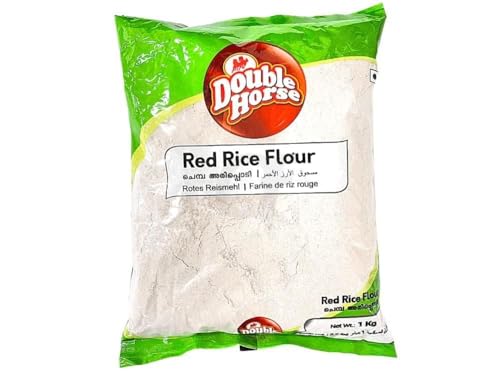
Product Type: Red Rice Flour. Best For: Traditional dishes and gluten-free baking where a distinct red rice flavor and color are desired. Why chosen: The red rice flour variety offers a robust, earthy profile suitable for South Asian recipes and GF baking. Caution: Texture can vary by batch; sift to avoid grittiness when baking.
Neotea Red Rice Puttu Flour – 500g
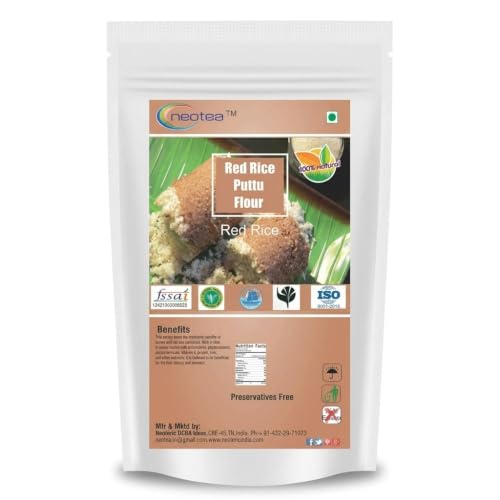
Product Type: Red Rice Flour for Puttu. Best For: Traditional South Indian breakfast dishes, especially soft puttu. Why chosen: Finely ground red rice provides the authentic texture for puttu while preserving natural flavors. Caution: Primarily marketed for puttu; may require adaptation for other recipes that rely on white rice flour.
Bob’s Red Mill White Rice Flour

Product Type: White Rice Flour. Best For: Gluten-free baking, delicate cakes and coatings. Why chosen: Naturally gluten-free with a neutral flavor and versatile application, including thickening soups and creating crispy breadings. Caution: White rice flour can be fine-textured; overmixing may affect crumb in certain baked goods.
52USA Thai Rice Flour

Product Type: White Rice Flour. Best For: Asian cooking, baking, and thickening in sauces. Why chosen: High-quality Thai rice flour with fine powder grain ideal for a variety of gluten-free dishes. Caution: Always store in a cool, dry place to maintain freshness; rice flour can absorb odors from the pantry.
Thai Rice Flour – ERAWAN

Product Type: White Rice Flour. Best For: Fine-textured batters and delicate pastries. Why chosen: ERAWAN’s red bag branding signals a focus on traditional Thai rice flour quality with a soft, fine texture. Caution: As with many white rice flours, it can produce a lighter crumb; adjust hydration accordingly.
Pride of India Brown Rice Flour

Product Type: Brown Rice Flour. Best For: Gluten-free baking and cooking where a richer, nuttier flavor is desired. Why chosen: The brown rice variant adds depth to soups, noodles, dumplings, and fritters while remaining gluten-free. Caution: Brown rice flour can be denser; consider blending with lighter flours for certain recipes.
Buying Guide
What should you consider when choosing roasted red rice flour or related options?
- Flour type and flavor: Red rice flours contribute a distinct earthy, nutty note and color. White rice flours offer neutral flavor and light textures suitable for delicate baking. Brown rice flour adds nuttiness and a heartier mouthfeel.
- Intended use: For traditional breakfasts like puttu, a red rice flour or specialty blend may be best. For baking or thickening, white rice flour is typically more versatile, while brown rice flour suits heartier, richer recipes.
- Texture and grind: Finely ground flours create smoother batters and lighter crumb, whereas coarser grinds can add texture. Sift or blend as needed to achieve desired consistency.
- Gluten-free considerations: All listed options are gluten-free by nature, but cross-contamination and processing practices vary. Check labels if extremely sensitive to gluten.
- Storage: Keep flours sealed in a cool, dry place. Refrigeration or freezing can extend shelf life for rice flours with higher oil content or natural nutty flavors.
FAQ
- What is roasted red rice flour best used for?
It adds color and a toasted, nutty flavor to batters and doughs, ideal for traditional dishes and GF baking where a distinctive profile is desired.
- Can I substitute red rice flour for white rice flour?
Substitutions depend on the recipe. Red rice flour can affect color and texture; start with partial substitutions and adjust liquids as needed.
- Is brown rice flour suitable for crispy coatings?
Yes, brown rice flour can create a crisp, flavorful coating but may require additional fat or a thinner batter for best results.
- Should I sift rice flours before use?
Yes, especially if the flour is dense or clumpy. Sifting improves texture and helps avoid lumps in batters.
- Are these flours vegan-friendly?
Yes, all listed flours are plant-based and suitable for vegan diets when used in standard recipes.
Leave a Reply