Best Rice Noodles for Pad Thai: Top Noodles for Authentic Flavor
Finding the right rice noodles can make or break a Pad Thai. This guide highlights five well-regarded options that balance texture, gluten-free claims, and authentic flavor profiles. Each selection supports quick weeknight meals or batch-prepared lunches, with options suitable for vegan, non-GMO, and organic diets. Read on to compare textures, thickness, and uses to choose noodles that best suit your Pad Thai style.
| Product | Brand | Highlights |
|---|---|---|
| Lotus Foods Organic Brown Rice Pad Thai Noodles | Lotus Foods | Gluten-free, vegan, whole grain brown rice; quick 7-minute cook |
| Lotus Foods Traditional Pad Thai Rice Noodles | Lotus Foods | Gluten-free, non-GMO, USDA organic; versatile for many dishes |
| Lotus Foods Organic Pad Thai with White Rice Noodles | Lotus Foods | White rice option; heirloom quality; convenient for Pad Thai |
| Thai Kitchen Gluten Free Stir Fry Rice Noodles | Thai Kitchen | Steamed, not fried; gluten-free; vegan and wheat/egg-free |
| 4 Elephants 10MM Rice Stick Noodles | Four Elephants | Authentic thickness; gluten-free; multiple pack sizes |
Lotus Foods Organic Brown Rice Pad Thai Noodles

These noodles are made with heirloom organic brown rice, delivering a nutty, hearty flavor ideal for Pad Thai. They are gluten-free, vegan, and non-GMO, without additives or oil. The package notes quick preparation—about seven minutes—allowing hot or cold serving options. This option is particularly compatible with stir-fry methods and Thai-inspired sauces that benefit from a chewier, substantial bite.
Lotus Foods Traditional Pad Thai Rice Noodles

Made from heirloom white rice using traditional farming methods, these noodles emphasize classic Pad Thai texture. They are certified gluten-free and non-GMO, with USDA organic labeling and no additives or oil. Their versatility extends beyond Pad Thai to stir-fries, noodle salads, and hot pots, making them a reliable staple for households exploring multiple Asian-inspired dishes.
Lotus Foods Organic Pad Thai with White Rice Noodles

This option pairs Pad Thai flavor with white rice noodles, offering a straightforward approach to authentic Thai noodles. It’s organic and designed for ease of use, suitable for those who prefer white rice noodles in their Pad Thai bowls. The product line emphasizes heirloom quality and simple ingredient lists, aligning with gluten-free and vegan dietary choices.
Thai Kitchen Gluten Free Stir Fry Rice Noodles

Thai Kitchen’s stir-fry noodles are steamed rather than fried, offering a lighter texture that still holds sauces well. They are gluten-free and vegan, and they do not contain wheat or eggs, making them a flexible choice for various dietary preferences. Suitable for Pad Thai and other quick stir-fries, these noodles adapt to a range of flavor profiles.
Roland Foods Wide Rice Noodles
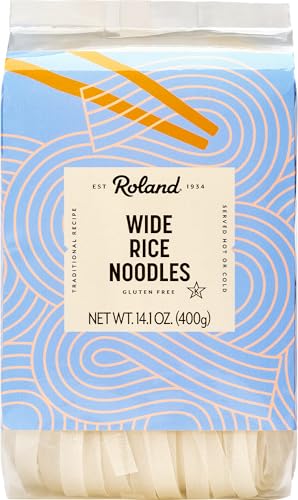
Roland’s wide rice noodles are made from 100% rice flour and are naturally gluten-free. They have a chewy, tender texture and a mild flavor that absorbs sauces well, making them a strong candidate for Pad Thai and other saucy noodle dishes. The 10mm width provides a distinct alternative to thinner noodle varieties for bolder plate presentations.
Buying Guide
- Rice type: Brown rice options tend to add a nutty flavor and higher fiber, while white rice noodles are typically softer and quicker to cook. Choose based on texture preference and dietary goals.
- Gluten-free status: If avoiding gluten is essential, verify gluten-free labeling and cross-contact notes. All five options listed here meet gluten-free claims, but process environments vary.
- Texture and thickness: Pad Thai often benefits from noodles that can hold sauces without breaking. Thicker options (like 10mm rice sticks) deliver a substantial bite, while standard Thai-style noodles balance sauce absorption with chewiness.
- Cooking method: Some noodles are steamed, others are dried or parboiled. Follow package directions for soaking or boiling times to prevent overcooking or sticking.
- Versatility: If you cook beyond Pad Thai, consider noodles that suit stir-fries, noodle salads, hot pots, or soups. Many listed brands promote versatility beyond one dish.
- Dietary considerations: For vegan, non-GMO, or USDA Organic requirements, confirm certifications on the packaging. Noodles labeled gluten-free typically suit many allergy-conscious households.
- Storage and shelf life: Dried noodles last longer than fresh or pre-cooked options. Properly reseal bags and store in a cool, dry place to maintain texture.
- Flavor compatibility: Pad Thai sauces rely on a balance of sweet, salty, sour, and sometimes nutty tones. Noodles with neutral flavors work best for customizing sauces with tamarind, fish sauce, palm sugar, lime, and crushed peanuts.
- Serving temperature: Some noodles excel hot, others cold or room-temperature, depending on sauces and toppings. Consider how you plan to serve your Pad Thai when choosing a noodle type.
Leave a Reply