Best Rennet for Cheese Making: Top Picks for Home Chefs
Choosing the right rennet is essential for consistent cheese texture and flavor at home. This guide highlights five reliable options that cover animal, plant, and microbial rennet styles, plus tablets for convenient use. Whether you’re chasing quick set times or denser, aged cheeses, these selections balance strength, dosage, and ease of use. The following profiles provide objective details to help you compare coagulation performance, dietary considerations, and handling, so you can pick the best fit for your cheese adventures.
| Product | Brand | Type | Strength / Form | Notes |
|---|---|---|---|---|
| Natural Probio® Liquid Animal Rennet 1.7 fl oz | Natural Probio | Animal Rennet (Liquid) | 1:10,000; 1.7 fl oz | High yield; dropper for precise dosage |
| Liquid Animal Rennet — Single Strength | New England Cheesemaking Supply Company | Animal Rennet (Liquid) | Single strength | Beginner-friendly; easy to measure |
| North Mountain Supply Professional Quality Liquid Calf Rennet | North Mountain Supply | Animal Rennet (Liquid) | 1:10,000 | High-quality, versatile for origin cheeses |
| Liquid Vegetable Rennet — Double Strength | New England Cheesemaking Supply Company | Vegetable Rennet (Liquid) | Double strength | Non-animal, gluten-free |
| +QSO Vegetable Rennet Tablets | New England Cheesemaking Supply Company | Vegetable Rennet (Tablets) | Tablet form; 4 segments | Easy to portion; no animal ingredients |
Natural Probio Liquid Animal Rennet (1.7 oz) Review

The Natural Probio liquid rennet offers a precise 1:10000 coagulation strength, enabling flexible cheese-making for varieties such as ricotta, primosale, and mozzarella. The bottle’s dropper simplifies dosing, reducing measurement errors and waste. The dosage guidance translates to roughly 0.07 fl oz of rennet per 2.6 gallons of milk, with adjustments possible to suit texture preferences. For home cheesemakers seeking a predictable, high-yield option, this rennet supports both soft and hard cheese processes when whole farm milk is used. Users can expect typical setting times in the 1–2 hour range depending on milk quality and cheese style.
Key considerations include the concentrate’s potency, the need to store away from heat, and the compatibility with pasteurized milk. While animal rennet is traditional for many cheeses, this product remains suitable for a broad spectrum of recipes, including softer fresh cheeses and aged varieties. The 1.7 oz bottle offers long-term value given its high yield, making it a practical staple for hobbyists and small-scale producers alike.
Rennet Microbial – Cheese Coagulant (10 ml)

This microbial rennet is a beginner-friendly option derived from non-animal sources, aligning with dietary considerations and non-GMO guidelines. The 10 ml vial coagulates up to 8 gallons of milk, offering a compact size with high yield for occasional cheesemakers or those testing new recipes. Its natural coagulation process suits a range of cheeses and supports consistent curd formation without animal-based components. Users should monitor setting times—microbial coagulants can behave slightly differently than traditional calf rennet—adjusting milk temperature and aging plans accordingly.
Its natural-origin profile and absence of GMOs provide reassurance for households prioritizing ethical sourcing. The product is easy to store and measure, helping maintain recipe consistency. For pure experimentation or a gradual shift away from animal rennets, this option provides a reliable bridge while producing reliable coagulation results in standard cheesemaking workflows.
New England Cheesemaking Liquid Animal Rennet — Single Strength
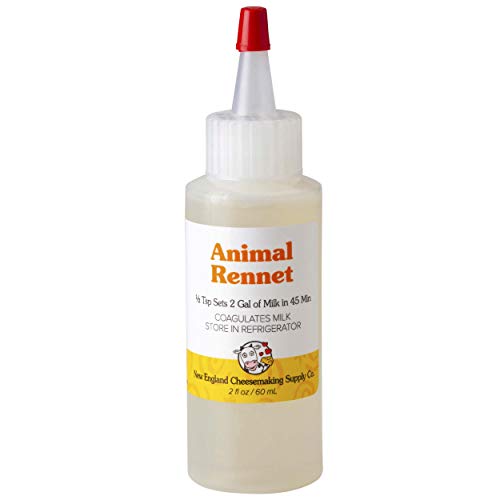
This single-strength animal rennet is designed for straightforward home cheesemaking, where half a teaspoon typically treats about 2 gallons of milk. It balances ease of use with dependable coagulation, making it suitable for both beginners and experienced cheesemakers. The formulation is free from GMO ingredients and gluten, with veal-derived rennet, sodium chloride, and water as primary components. The liquid format ensures even distribution, reducing hotspots in the milk and contributing to consistent curd formation across batches.
Practical considerations include the availability of the single-strength product for quick recipes and the ease of scaling up for larger volumes. Since this option is animal-derived, it remains a traditional choice for cheeses that rely on more classic textures and affinities. It is well-suited for home experiments with various milk types, particularly whole milk or blends used in fresh to semi-hard cheeses.
North Mountain Supply Liquid Calf Rennet — 4 Ounces

North Mountain Supply presents a professional-quality liquid calf rennet, commonly used for higher-end or denomination-specific cheeses. With a 1:10,000 strength rating, this product is suitable for a wide range of cheeses, from quick-set mozzarella to longer-aged varieties. The recommended usage of about 1/4 teaspoon per gallon of whole milk supports efficient coagulation, and the product’s packaging is designed to preserve potency and reduce oxidation. This rennet suits cheesemakers seeking steady, repeatable results across diverse milk sources and batch sizes.
Considerations include precise measurement, milk type, and aging goals. Calf rennet is a familiar option for many traditional recipes, ensuring predictable curd formation while offering the flexibility needed for complex, aged cheeses. Proper storage and handling help maintain enzyme activity over time, and it pairs well with standard kitchen equipment used in home cheese production.
Marschall Tabletas De cuajo — Rennet Tablets (10 Count)

These Danisco Marschall rennet tablets provide a plant-based, vegetarian-friendly option with a clear tableted format. Each tablet is designed to break into smaller portions via scoring, enabling precise dosing for multiple recipes. A half tablet typically sets about 2 gallons of milk within roughly 45 minutes. The product matches the needs of households aiming for clean, allergen-conscious ingredients while delivering consistent coagulation across a range of cheeses. The vegetable-based coagulant is suitable for those seeking non-animal options without sacrificing performance.
Liquid Vegetable Rennet — Double Strength
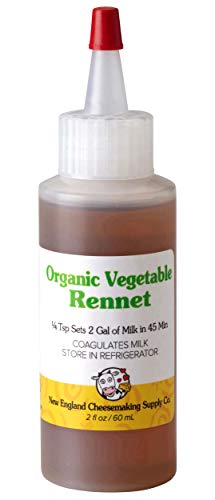
The double-strength vegetable rennet is designed for home cheesemaking where a robust set is desirable, especially with larger batches or firmer cheeses. The liquid format supports precise dosing and even distribution in milk, while being non-GMO and gluten-free. Rhizomucor miehei is the source organism in this formulation, aligning with dietary considerations and a broad cheese range, including aged varieties where a tighter curd is beneficial. This option provides an effective alternative for vegetarians who still want reliable coagulation results.
QSO Vegetable Rennet Tablets — 10 Pack

QSO vegetable rennet tablets offer a compact, easy-to-use option for vegetarian cheesemakers. The tablets are gluten-free and non-GMO, with a dosing design that simplifies measurement; each tablet is scored into four segments for flexible portions. A half tablet can coagulate about 2 gallons of milk in roughly 45 minutes, making it suitable for small batches or frequent testing. This product supports accessible experimentation with plant-based coagulants, enabling consistent results across a wide range of milk types.
Buying Guide: Key Purchase Considerations
- Source and dietary preference: Choose animal rennet for traditional textures, or vegetable/microbial options for vegetarian or non-GMO requirements. Tablets offer convenient portioning for small-batch makers.
- Strength and dosage: Look for clear strength ratings (e.g., 1:10,000) and practical dosage guidance to avoid under- or over-coagulation. Consider whether you prefer single-strength or double-strength concentrates.
- Milk type and aging goals: Somerennets perform differently with pasteurized vs. raw milk, and with short vs. long aging. Adjust dosage and temperature to match your cheese plan.
- Form factor and handling: Drops, teaspoons, pills, or tablets—choose a format that matches your kitchen setup and willingness to measure precisely.
- Allergens and additives: Check for gluten-free, non-GMO, and allergen-free claims if dietary restrictions apply. Some products include simple ingredient lists for clarity.
- Storage and shelf life: Enzyme activity can degrade with heat and light; store in a cool, dark place. A tightly closed bottle or sealed tablet container extends potency.
- Availability and value: Compare yields (gallons per bottle or tablet) to forecast long-term costs, especially when planning larger or ongoing cheesemaking projects.
When selecting a rennet, align your choice with the type of cheese you intend to make, your dietary considerations, and your preferred handling method. Testing small batches with a couple of different coagulation agents can help you understand how each option impacts texture, aroma, and aging potential before committing to a longer project.
Leave a Reply