Best Red Food Color Powder for Restaurants, Bakers &Amp; Home C Chefs
Answering the best way to achieve vivid red in foods, this guide reviews top red food color powders and helps you pick the right one for baking, candy making, and dessert decoration. Ideal buyers include professional bakers, home cooks, vegan or dye-free seekers, and event planners needing consistent color in dry mixes. The following table highlights five strong options with their key strengths.
| Product | Best For | Notes |
|---|---|---|
| Americolor Powder Food Color, 3gm, Red | Professional bakers, candy makers | Powder format, precise color control |
| Dekozauber24 Natural Chili Red Food Coloring | Vegan, dye-free, clean-label recipes | 100% natural and flavorless |
| Nutricost Red Plant Based Food Coloring (Beet Root) | Natural, plant-based colorings | Beet-based, simple ingredient list |
| Chefmaster Red Dry Powder Candy Color | Dry mixes, sugar work, fondant | Professional-grade, kosher |
| Color Powder Supply Co – Bulk Red Color Powder | Large-batch events, color runs | Bulk 1 lb bag, vibrant and safe |
Americolor Powder Food Color, 3gm, Red

Best for precise, dependable color in small batches. This powder color is designed for professional and home bakers who need consistent red hues in frostings, candies, and dry mixes. The 3-gram size makes it easy to calibrate shades without over-coloring. Use a pinch at a time to avoid oversaturation.
Who it’s for: traditional bakers, confectioners, and decorators who require repeatable results. Why selected: it’s a widely used, tasteless powder that blends smoothly into buttercream, fondant, chocolate, and sugar work without altering flavor.
Limitation: may require careful handling to avoid clumping; pre-dispersion in a small amount of neutral liquid can improve mixing when working with liquid recipes.
Dekozauber24 Natural Chili Red Food Coloring

Best for clean-label recipes needing vibrant red without synthetic dyes. The dye-free formula uses real fruits and vegetables, making it a strong choice for vegan and kosher/halal diets. It remains flavorless and offers color variations based on recipe acidity, which can be leveraged for shade control.
Who it’s for: bakers prioritizing natural ingredients and allergen-friendly color options. Why selected: plant-based color that fits clean-label expectations and diet restrictions.
Limitation: color intensity can vary with pH; you may need to adjust amounts to achieve the exact shade you want in different recipes.
Nutricost Red Plant Based Food Coloring From Beet Root Powder
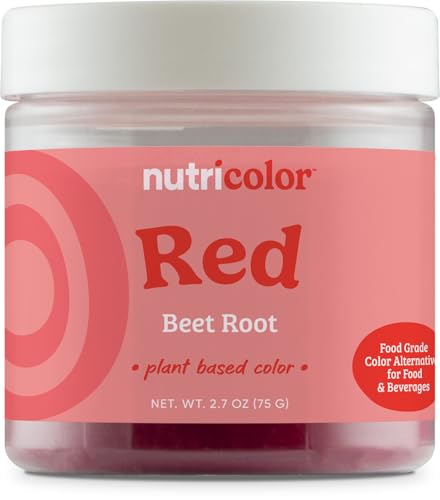
Best for naturally derived red without synthetic additives. Beet root powder yields a rich red color suitable for beverages, frostings, and desserts. It’s a simple, plant-based option that avoids artificial colorants.
Who it’s for: individuals seeking natural, plant-based alternatives. Why selected: clean ingredient list and straightforward usage in foods and drinks.
Limitation: color strength can be less intense than synthetic options; may require larger amounts for deeper reds.
Chefmaster Red Dry Powder Candy Color

Best for dry mixes, chocolate, fondant, and sugar decorations where moisture is limited. This professional-grade powder offers a wide hue range and repeatable results. It can be blended with alcohol or flavor extracts to create a liquid color for painting fondant details.
Who it’s for: pastry chefs and decorators who work with fondant, marzipan, or chocolate pralines. Why selected: proven color stability and a kosher-certified formula that preserves taste and texture.
Limitation: designed for dry use; if you need a liquid color, you’ll need to mix with a compatible solvent or extract.
Color Powder Supply Co – Bulk Red Color Powder

Best for large events and color-run style applications. This 1-pound bag delivers a bright red powder suitable for non-food color uses and food décor where safety and vibrant color are priorities. It’s noted as non-toxic and skin-friendly for general handling.
Who it’s for: event planners, teachers, and organizers needing bulk red powder. Why selected: bulk packaging and vivid color help achieve standout visuals in large-scale settings.
Limitation: designed for bulk use; smaller kitchen batches may require portioning to prevent waste or color overage.
Buying Guide
What to consider when choosing red food color powder
Color strength and shade range vary by formula. Synthetic powders typically deliver deeper reds with less effort, while natural options may require more product to reach the same intensity. Consider the intended use—bakery, candy making, beverages, or dry mixes—and whether you need flavor neutrality.
Natural vs. artificial color
Natural powders made from beets, fruits, or vegetables may appeal to clean-label or vegan needs but can shift shade with pH and temperature. Artificial colors tend to be more stable and predictable in professional settings but may not suit dietary restrictions.
Flavor impact and compatibility
Most powder colors are designed to be tasteless, but some natural powders can subtly affect flavors. If using red powders in beverages or delicately flavored desserts, test small batches to confirm no flavor change.
Usage tips for consistent results
Always start with small amounts and incrementally add to reach the desired shade. Dissolve lumps by whisking or pre-dissolving in a small amount of neutral liquid when needed. For dry applications, blend thoroughly to avoid streaks in frostings or dry mixes.
Safety and storage considerations
Keep powders in a cool, dry place away from direct sunlight. Seal containers tightly to prevent clumping. If handling bulk powders, follow safe handling practices to avoid staining skin or surfaces.
FAQ
- Which red color powder is best for cake decorating? A: Americolor or Chefmaster powders are popular for consistent results in frosting, fondant, and decorations.
- Are natural red color powders safe for all diets? A: Natural beet and fruit-based powders are generally vegan, gluten-free, and dye-free, but check ingredient lists for allergens.
- Will red powders affect the taste of my frosting? A: Most are flavorless, but natural powders can vary slightly; test in small batches.
- Can I use red powder in liquids or beverages? A: Some powders mix well into liquids, while others are optimized for dry use. Refer to product guidance on mixing with liquids.
- Which is better for bulk events, single-use or bulk packaging? A: Bulk packaging like Color Powder Supply Co. is cost-effective for large events; for small kitchens, individual packets or small jars reduce waste.
- Do red color powders stain surfaces? A: Yes, many powders can stain; work on protected surfaces and wear gloves if handling frequently.
Leave a Reply