Best Red Tobiko Flying Fish Roe for Sushi and Garnishes: Flavorful Pop With Colorful Appeal
Red tobiko flying fish roe offers a crisp texture, vibrant color, and a delicate brininess that complements sushi, nigiri, and creative garnishes. This guide highlights five top options, explaining who each product is best for and why it stands out. Whether you’re stocking a home sushi bar, planning a party spread, or sourcing premium toppings for chef-inspired plates, these tobiko choices provide reliable quality and visual appeal.
Summary at a glance
| Product | Best For | Key Strength | Notes |
|---|---|---|---|
| Genki Red Tobiko (50g) | Home cooks who value fresh, small pearls | Wild-caught Taiwan, peak freshness | Smaller jar, great for daily use |
| Genki Red Tobiko (1.1 lb / 500 g) | Larger gatherings or catering | Bulk option with consistent texture | Same flavor profile, bigger quantity |
| Orange Genki Tobiko (50g) | Colorful sushi and sashimi plates | Vibrant orange color, balanced sweetness | Naturally bright and eye-catching |
| MARKY’S Red Tobiko (500 g) | Gourmet garnish for varied dishes | Distinctive smoky, mildly sweet, and salty notes | Includes detailed background on fish origin |
| QIXINLIZY Russian Style Red Salmon Roe (105g) | Non-sturgeon caviar lovers | Classic briny flavor with firm pearls | Salmon roe, versatile beyond sushi |
Genki Red Tobiko Flying Fish Roe – 50g
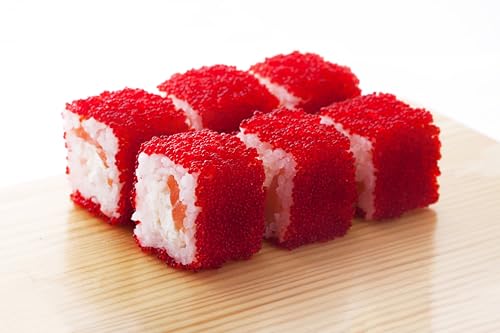
Brand: Caviar Star
- Vibrant red tobiko with glossy, small pearls
- Wild-caught off Taiwan and frozen at peak freshness
- Mild, clean flavor with delicate brininess
Best for: Home cooks seeking a fresh, balanced tobiko garnish for daily sushi and nigiri. The 50g jar is ideal for intimate meals or small gatherings. This product’s Taiwanese origin and peak-fresh freezing help maintain a crisp bite and colorful appearance. Caution: Smaller jar means more frequent restocking for busy kitchens.
Genki Red Tobiko Flying Fish Roe – 1.1lb (500g)

Brand: Caviar Star
- Same vibrant red tobiko with a crisp bite
- Wild-caught Taiwan origin; frozen at peak freshness
- Delicate brininess and mild sweetness
Best for: Catering or households hosting larger sushi platters where consistent texture matters. The 500 g size provides value for repeated use across events. Caution: Larger quantity requires proper storage and portioning to maintain freshness after opening.
Orange Genki Tobiko Caviar – 50g

Brand: Caviar Star
- Naturally vibrant orange tobiko
- Delicate balance of mild sweetness and brininess
- Preserves crisp texture when frozen and thawed
Best for: Visual appeal and color contrast in sushi rolls, nigiri, and sashimi presentations. Choose this for colorful plates that need a pop of orange. Limitation: Orange color is a dye-based hue in some lots; check color consistency if exact shade matters for plating.
MARKY’S Red Tobiko Flying Fish Roe – 17.5 oz / 500 g

Brand: MARKY’S
- Tiny, crunchy eggs with smoky, mildly sweet, and salty notes
- Roe from farmed flying fish (Cypselurus heterurus)
- Prized garnish for sushi, crab cakes, salmon, and seafood plates
Best for: Gourmet garnishes and diverse seafood dishes that benefit from a robust, flavorful finish. This option provides a deeper, more complex flavor profile. Caution: Background information emphasizes fish origin; verify freshness for high-volume use.
QIXINLIZY Russian Style Red Salmon Roe – 3.7 oz

Brand: QIXINLIZYY
- Premium Russian-style red salmon roe with briny flavor
- Non-sturgeon caviar; clearly identified as salmon roe
- Versatile topping for blinis, sushi, salads, and fine dining
Best for: Those who want a classic, briny salmon roe experience outside traditional tobiko. This product suits plates requiring a salmon roe note rather than tobiko crunch. Caution: Not tobiko; flavor and texture differ from flying fish roe, which may affect authenticity for tobiko-focused recipes.
Buying Guide
What should I consider when choosing red tobiko?
- Source and freshness: Wild-caught vs. farmed, and freezing at peak freshness, influence texture and flavor.
- Color and appearance: Tobiko ranges from vivid red to orange; color impact matters for plating.
- Pearl size and crunch: Smaller pearls tend to be more delicate; larger pearls offer a stronger pop.
- Serving size: Jar size affects preparation needs and storage, especially for entertaining.
- Flavor profile: Some tobiko has a brighter, saltier finish; others are milder with subtle sweetness.
How to store tobiko for best results
- Keep unopened jars in the freezer until ready to use.
- Once opened, refrigerate and use within a few days for optimal texture.
- Avoid freeze-thaw cycles that can dull texture and color.
How to use tobiko beyond sushi
- Garnish on seafood bowls, deviled eggs, and canapés for color and crunch.
- Mix into dressings or sauces for a briny kick and visual appeal.
- Pair with avocado, cucumber, and mild fish to balance flavors.
Choosing the right product for your needs
- For everyday use in small servings, opt for the 50 g jars in classic red or orange.
- For feeding a crowd or batch recipes, choose larger volumes with consistent texture.
- If you prioritize a smoky or rich finish, consider a product with notes described in the listing.
FAQ
- What is tobiko, and how does it differ from caviar?
Tobiko is flying fish roe, typically smaller and crisper, often colored for visual appeal. Caviar refers to sturgeon roe and tends to have a different texture and flavor profile. - Is red tobiko spicy or salty?
Red tobiko generally offers a mild brininess with a clean, delicate taste; it is not spicy. - Can tobiko be frozen after opening?
It is best kept refrigerated after opening; frequent freezing and thawing can degrade texture. - Which tobiko is best for sushi rolls?
The choice depends on color preference and desired crunch; red and orange tobiko are popular for rolls and nigiri. - Is Russian style salmon roe considered tobiko?
No. Russian style salmon roe is salmon-based roe, not tobiko, and will have a different texture and flavor. - What should I look for in fresh tobiko?
Look for vibrant color, glossy appearance, small uniform pearls, and a clean, briny aroma.
Leave a Reply