Best Decaf Pu-Erh Tea Options for Anytime Enjoyment
Looking for decaffeinated Pu-Erh that retains depth and character? This guide highlights five top decaf Pu-Erh products, ideal for evening sipters, caffeine-sensitive days, or mindful tea rituals. Each pick is described with who it’s best for, why it stands out, and a practical caveat. Use the quick reference table below to compare at a glance.
| Product | Brand | Why It Ranks Here |
|---|---|---|
| CO-OP 1950 Decaf Pu-erh Tea Bags | Loomica | Natural CO₂ decaf, traditional Yunnan large-leaf profile, convenient tea bags |
| WT WEETEE Decaf Pu-erh Tea (Loose Leaf) | WT WEETEE | CO₂ decaf process, rich body with delicate aroma, large yield |
| Prince Of Peace Premium Pu-erh Tea | Prince Of Peace | Popular, hand-harvested, classic Pu-Erh fermentation notes |
| CO-OP 1950 Decaf Pu-erh Loose Leaf | Loomica | Advanced CO decaf with full-body Pu-Erh characteristics |
| TeeLux Decaf Pu Erh Tea Loose Leaf | TeeLux | Full-bodied, smooth, bamboo-like aroma; traditional fermentation |
CO-OP 1950 Decaf Pu-erh Tea Bags
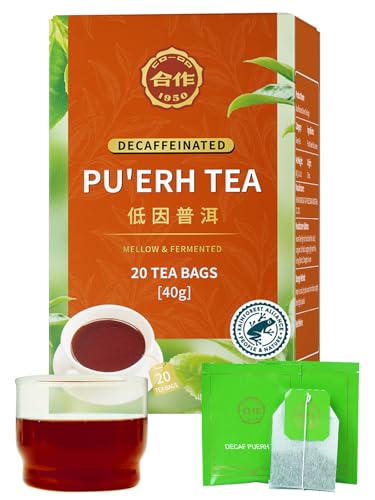
This option uses a natural CO₂ decaffeination process to remove caffeine while preserving Pu-Erh’s earthy depth. Best for tea drinkers who want the classic Yunnan large-leaf profile in a convenient bag format. The product emphasizes a smooth, gentle finish suitable for any time of day. Caution: tea bags may vary slightly in strength batch to batch.
- Best for: busy days, gift-ready convenience, and home or office use.
- Why selected: natural decaf method and traditional varietal yield a robust yet approachable cup.
WT WEETEE Decaf Puerh Tea Loose Leaf

This loose-leaf option notes a CO₂ decaffeination process that preserves aroma while removing caffeine. It’s best for tea lovers who enjoy a longer steep or precise brewing control, delivering a rich body with a subtle, sticky rice-like scent. Caution: loose leaf requires measuring and steeping time adjustments for consistent flavor.
- Best for: home brewing enthusiasts and those who savor a fuller cup without caffeine.
- Why selected: high cup yield and natural aroma intact after decaf.
Prince Of Peace Pu-erh Tea Premium

This decaf-leaning selection uses a traditional Pu-Erh fermentation process and hand-harvested leaves, highlighting classic Pu-Erh character with antioxidant potential. Best for: those seeking a widely available, recognizable Pu-Erh option with a robust, aged profile. Limitation: the product is noted as a black tea variety, which may differ in flavor intensity compared to some oolong-style Pu-Erh options.
- Best for: fans of traditional Pu-Erh flavor and recognizable branding.
- Why selected: broad popularity and authentic fermentation notes contribute to a satisfying cup.
CO-OP 1950 Decaf Puerh Loose Leaf

Elegant aroma and flavor define this Loomica decaf loose-leaf Pu-Erh, with a mellow sweetness and long, lingering finish. Best for: tea drinkers who value depth and a refined, silky mouthfeel in their evening cuppa. Caution: data notes a bright red liquid, which indicates strong color; brew with care for lighter palates.
- Best for: ritual tea moments, and those who enjoy a premium Yunnan selection.
- Why selected: premium aroma, balanced finish, and thorough decaffeination method.
TeeLux Decaf Pu Erh Tea Loose Leaf

This option emphasizes a smooth, full-bodied taste with a warm, wine-red hue. It uses a meticulous fermentation process that enhances depth, making it a strong pick for seasoned Pu-Erh drinkers seeking a decaf version. Best for: traditional Chinese tea rituals and mindful evenings. Caution: flavor depth can vary with brewing time, so monitor steep duration for a balanced cup.
- Best for: those who value time-honored fermentation and a strong, smooth profile.
- Why selected: detailed processing notes and a richly flavored decaf Pu-Erh.
GLDNT Organic Pu-erh Tea Bags

Note: this product is labeled as caffeinated, but it’s included here to show a widely available organic Pu-Erh option. Best for: readers seeking organic certification and traditional fermentation. Caution: it is caffeinated, so avoid if you need decaf only.
- Best for: organic-focused Pu-Erh enthusiasts who don’t require decaf.
- Why selected: USDA Organic status and authentic fermentation process.
Buying Guide: Key Considerations For Decaf Pu-Erh
- Brewing method: Loose-leaf vs tea bags – loose leaf offers control over steep time and strength, while tea bags provide convenience for on-the-go use.
- Decaffeination method: CO₂ decaffeination preserves flavor and aroma better than some chemical methods. Look for products that explicitly state natural CO₂ processing.
- Flavor profile: Pu-Erh flavors range from earthy and “aged” to mellow and smooth. Choose based on whether you prefer bold body or a gentler finish.
- Leaf origin: Yunnan origin is traditional for Pu-Erh; large-leaf varieties tend to deliver deeper body and complexity.
- Form factor: Bags vs loose leaves affect steeping flexibility and cleanliness of the brew. If you dislike sediment, prefer bags or a high-quality infuser for loose leaf.
- Freshness and packaging: Foil or resealable packaging helps preserve aroma and flavor, especially for decaf Pu-Erh where nuances matter more.
- Antioxidant expectations: Some Pu-Erh products highlight antioxidant compounds; consider this if you’re seeking potential health-oriented benefits.
Frequently Asked Questions
- What is Pu-Erh tea? – Pu-Erh is a fermented dark tea traditionally from Yunnan, valued for its aged, earthy character and potential digestive benefits.
- Why choose a decaf Pu-Erh? – Decaf Pu-Erh allows you to enjoy the tea’s depth without caffeine, suitable for evenings and caffeine sensitivity.
- Does decaffeination affect flavor? – Yes, some flavor loss can occur, but CO₂ decaffeination preserves much of the original aroma and body.
- How should I brew decaf Pu-Erh for best flavor? – Start with 1 teaspoon per 8 oz, water around 195–205°F, 3–5 minutes for a balanced cup; adjust to taste.
- Is Pu-Erh better as loose leaf or tea bags? – Loose leaf generally offers more depth and customization; bags are convenient for quick cups.
- Which is best for beginners? – A decaf Pu-Erh tea bags option is usually easiest to start with, offering steady flavor without complexity in brewing.
Leave a Reply