Best Protein Powder Options for Weight Loss and Lean Muscle
For weight loss, choosing a protein powder that supports fullness, preserves lean muscle, and fits your routine is essential. This guide highlights five protein powders that align with weight-management goals and offers practical guidance on who each product is best for. Read on to compare flavors, protein content, and potential limitations to help you decide which powder to add to your daily routine.
| Product | |||
|---|---|---|---|
| Premier Protein Vanilla | 30 g | Busy individuals seeking a convenient, low-sugar option | Contains 1 g sugar; 3 g carbs; gluten-free |
| Optimum Nutrition Gold Standard Vanilla | 24 g | Athletes aiming for lean muscle and post-workout recovery | Low sugar and carbs; whey isolate base |
| Premier Protein Chocolate | 30 g | Chocolate lovers needing solid satiety | Same nutrition profile as vanilla option |
| SlimFast Original French Vanilla | 10 g | Meal replacement for weight-management on the go | Higher carbohydrate profile; not a pure protein supplement |
| Premier Protein Powder Plus Fiber Vanilla | 25 g | Fuel plus gut-support with added fiber | Fiber blends may affect texture for some |
Premier Protein 30g Vanilla Powder
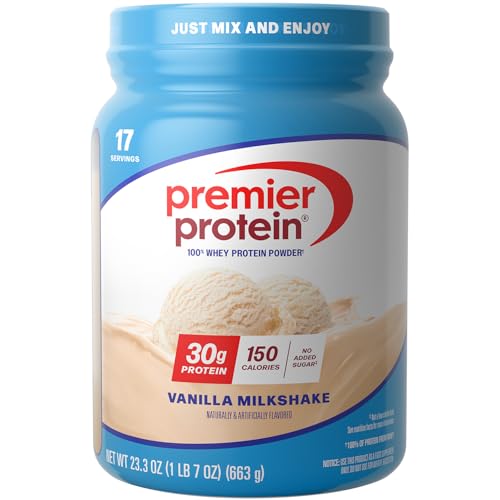
Brand: Premier Protein. Features highlight 30 g protein per serving, essential amino acids, and 100% whey protein. It delivers a creamy vanilla taste with only 1 g sugar and 3 g carbs, contributing to a 150-calorie profile and low fat. No soy ingredients and is gluten-free. Best for busy individuals who want a tasty, high-protein shake to curb hunger between meals. Caution: flavored powders can cause sensitivity in some; monitor total daily sugar intake if using multiple products.
Optimum Nutrition Gold Standard Vanilla
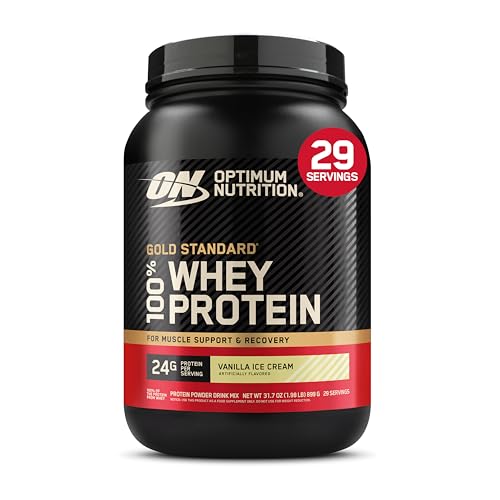
Brand: Optimum Nutrition. Features include 24 g whey protein per scoop, complete amino acid profile with 5.5 g BCAAs and 11 g EAAs, and low sugar (~1 g) and low carbs (~3 g) per serving. Primary ingredient whey protein isolate supports lean muscle and post-workout recovery. Best for athletes or people aiming to manage weight while preserving muscle mass. Limitations: some may prefer dairy-free options; check for sensitivity to dairy ingredients.
Premier Protein Chocolate Powder

Brand: Premier Protein. Rich chocolate flavor with 30 g protein per serving and a complete amino acid profile from whey. The sugar and carbohydrate content mirrors the vanilla option (1 g sugar, 3 g carbs), with 150 calories and low fat. Best for chocolate enthusiasts seeking satiety and muscle support. Caution: flavor craving intensity may influence daily intake; pair with fiber-rich meals for fuller results.
SlimFast Original French Vanilla

Brand: SlimFast. A meal replacement powder with 10 g protein per serving and a 22-serving package. Includes 24 vitamins and minerals, designed to support appetite control for up to four hours. Best for individuals seeking a convenient, controlled-calorie option when meals are missed. Limitation: higher carbohydrate profile compared to dedicated protein powders; not ideal if you strictly want a high-protein, low-carb supplement.
Premier Protein Plus Fiber Vanilla

Brand: Premier Protein. 25 g protein per serving plus 7 g fiber to support gut health, with no added sugar. This is a versatile option for those who want both appetite control and digestive support. Best for individuals prioritizing fiber intake alongside protein. Limitation: fiber addition may alter texture and mixing behavior for some users; consider shaker quality and liquid volume.
Buying Guide: Key Purchase Considerations
What matters most when choosing a weight-loss protein powder?
- Protein quality and amount per serving: Higher protein helps with satiety and muscle maintenance during weight loss. Look for whey-based or complete plant blends with essential amino acids.
- Sugar and carbohydrate content: Lower sugar and carbs support weight-management goals. Compare per-serving values across products.
- Calorie level: If you track calories, pick options around 120–160 calories per serving depending on your daily plan.
- Digestive comfort and ingredients: Consider fiber, sweeteners, and potential allergens (gluten, dairy). Plant-based options suit dairy-sensitive individuals.
- Flavor and mixability: Flavor variety can influence consistency and adherence. Check for gluten-free and soy-free claims if relevant.
- Intended use: Meal replacement vs. post-workout shake vs. daily protein boost. Align with your routine and goals.
FAQ: Quick Buyer Answers
- What is the best protein powder for weight loss? There isn’t a single best option; choose a whey-based or plant-based protein that offers high protein, low sugar, and fits your taste preferences.
- Should I choose a low-carb protein powder? Low-carb options can help with caloric control, especially if you’re using shakes as meal replacements or snacks.
- Is fiber in a protein powder beneficial? Yes, fiber can improve fullness and gut health, but it may affect texture or mixing for some powders.
- Can protein powders replace meals? Some options are designed as meal replacements, but most are supplements. Read labels to ensure macro goals align with your plan.
- Are plant-based powders as effective as whey? Plant-based blends can support weight loss and muscle maintenance; choose complete amino-acid profiles and adequate protein per serving.
- How do I choose between vanilla and chocolate flavors? Flavor preference affects adherence; both flavors can support weight loss if macro targets are met.
Leave a Reply