Best Protein Weight Gain Bars for Simple Muscle Fuel and Quick Snacking
If you’re looking to increase calorie intake and protein on the go, these protein weight gain bars are strong options. They’re suited for athletes needing post-workout recovery, people trying to add calories to their day, and anyone who wants convenient, high-protein snacks. The following picks deliver solid protein-per-bar, varied flavors, and practical ingredients to support muscle growth and daily energy. Below are five well-rounded choices with clear benefits and realistic trade-offs.
Summary of selected products (quick reference):
| Product | Protein | Best For | Note |
|---|---|---|---|
| CLIF BUILDERS Chocolatey Peanut Butter | 20 g | Plant-based protein fans needing flavor and texture | Gluten free, non-GMO |
| Gatorade Whey Protein Recover Bars | 20 g | Athletes requiring strong carb replenishment | High carb per bar |
| MET-Rx Big 100 Colossal Blueberry Cobbler | 30 g | High-protein meal supplement | Rich in vitamins/minerals |
| MET-Rx Big 100 Peanut Butter Pretzel | 30 g | Meal replacement and snack alike | Classic flavor profile |
| Musashi High Protein Bar Chocolate Brownie | 45 g | Very high-protein needs on the go | Low sugar option |
CLIF BUILDERS Chocolatey Peanut Butter
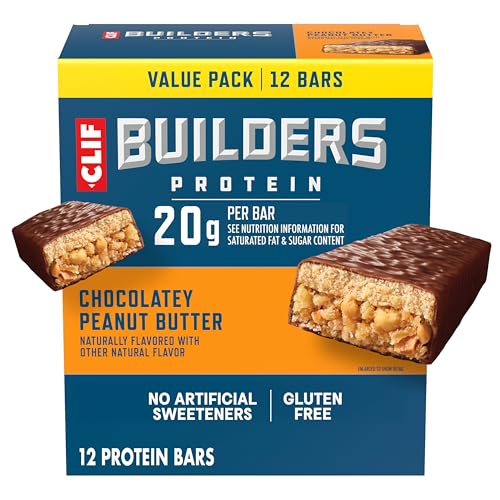
Best for plant-based protein fans who want a classic flavor with texture. Each bar provides 20 grams of protein from soy protein isolate, helping recovery after workouts. The bar also includes carbohydrates to replenish energy and support training volume. A notable trade-off is sugar content, which is relatively high at 18 g per bar, so consider this if you’re monitoring daily sugar intake. Suitable for athletes seeking a satisfying, chocolatey snack that aligns with gluten-free and non-GMO preferences.
Gatorade Whey Protein Recover Bars, Chocolate Chip

Best for athletes who want a bar designed for post-workout recovery with a solid whey/milk protein blend. Each bar delivers 20 grams of protein along with 42 grams of carbohydrates to replenish energy after exertion. This makes it a strong choice for those who train hard and need rapid glycogen restoration. A limitation to note is the higher carb content, which may not suit low-carb or calorie-dense diet plans for non-athlete snackers.
MET-Rx Big 100 Colossal Blueberry Cobbler

Best for a high-protein meal-replacement option with notable micronutrients. This bar packs 30 grams of protein and includes 18 vitamins and minerals, including zinc and vitamins A and C. It’s a practical choice for pre- or post-workout fueling when you’re pressed for time. A potential drawback is a denser flavor profile; some may prefer lighter textures or flavors. Choose this if you want a robust protein bar that doubles as a meal substitute at busy times.
MET-Rx Big 100 Peanut Butter Pretzel

Best for fans of a classic snack flavor who want a sustained protein boost. The bar contains 30 grams of protein and 18 vitamins and minerals, supporting overall energy and micronutrient intake. The pretzel element adds texture and a traditional snack appeal. A limitation is that flavor and texture can feel heavy for lighter snack days; great when you need a substantial protein hit. This is a reliable, high-protein option for meal-like snacks.
Musashi High Protein Bar Chocolate Brownie

Best for those needing an industry-leading protein count in a portable bar. Musashi offers 45 grams of protein per bar with only 2 grams of sugar, delivering an excellent protein-to-sugar ratio for serious muscle-building phases. Marketed as scientifically formulated and athlete-tested, it’s a strong pick for high-protein goals. The price or availability may limit routine daily use for some buyers; consider it when protein is the primary goal and sugar should be minimized.
Buying Guide
What should you look for when choosing protein weight gain bars?
- Protein content per bar: Higher protein bars (30 g–45 g) support muscle repair and growth, especially after intense training.
- Carbohydrate balance: Bars with more carbs replenish glycogen; this is helpful after workouts or for daily calorie goals.
- Sugar and ingredient quality: Lower sugar and clean ingredients may suit daily consumption and dietary preferences.
- Flavor and texture: Realistic flavors and pleasant textures improve consistency in using bars as snacks or meals.
- Meal replacement vs. snack: Some bars are designed as meal substitutes; others are better as post-workout recovery or between-meal snacks.
- Diet compatibility: Gluten-free, non-GMO, and soy/milk-based options cater to different dietary needs.
What’s the best approach to incorporate these bars into a routine?
- Use a high-protein bar after workouts to aid recovery and muscle synthesis.
- Pair a bar with a fruit or yogurt for a balanced meal replacement when you’re short on time.
- Rotate flavors to prevent flavor fatigue and maintain consistent protein intake.
Frequently Asked Questions
- Do high-protein bars replace meals? Some are designed as meal replacements; many are best as post-workout or between-meal snacks. Check the label for protein, calories, and macro balance.
- Is sugar content a concern? It depends on your goals. If you’re watching sugar, prioritize bars with lower sugar per bar and higher protein per serving.
- Are these bars gluten-free? Several options are gluten-free, but always verify the packaging since formulations vary by product and batch.
- What’s the difference between plant-based and dairy-based bars? Plant-based bars use soy or other plant proteins; dairy-based bars use whey or milk protein. Choose based on dietary preferences and tolerance.
- Can these bars help with weight gain? Yes, higher-calorie and higher-protein bars can support weight gain when combined with a balanced diet and training plan.
- Which bar is best for athletes in peak training? Bars with higher protein and strategic carb content tend to support post-workout recovery and energy replenishment for athletes.
Leave a Reply