Best Low-Calorie Protein Supplements for Everyday Nutrition
Looking for low-calorie protein options to support workouts, weight management, or daily nutrition? This guide highlights five suitable powders, shakes, and bars that emphasize high protein with minimal calories. Each product is chosen for specific needs: appetite control, vegan or dairy-free diets, gluten-free preferences, or convenient on-the-go snacking. Read on to find which one fits your goals, whether you want a quick shake, a meal-replacement feel, or a crunchy protein bar.
Summary table of selected products
| Product | Best For | Key Benefit |
|---|---|---|
| Premier Protein Powder, Vanilla Milkshake | High-protein flavor boost | 30g protein, 1g sugar, gluten-free |
| Designer Wellness, Designer Lite Vanilla Cupcake | Low calories with prebiotics | 60 calories per serving, 10g protein |
| Isopure Zero Carb Whey Isolate | Zero-carb protein boost | 25g protein, gluten-free |
| Quest Nutrition Protein Bars Variety Pack | On-the-go snacking | 20-21g protein, 4-5g net carbs |
| Orgain Organic Vegan Protein Powder Vanilla Bean | Plant-based option | 21g protein, 5g prebiotic fiber |
Premier Protein Powder Vanilla Milkshake
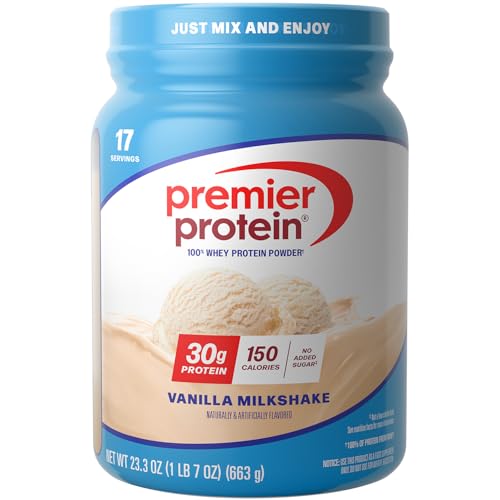
Product overview: This vanilla-flavored powder delivers 30g of protein per serving with only 1g of sugar and 3g of carbs, sourced from whey. It is gluten-free and contains no soy. This option is best for: athletes or busy individuals seeking a rich, ice-cream-like taste while keeping daily calories in check. Why selected: high protein density supports muscle recovery and satiety without a sugar spike.
Caution: While low in sugar, check total daily calorie intake if using multiple servings per day. May not be ideal for those avoiding dairy entirely.
Designer Wellness Designer Lite Vanilla Cupcake

Product overview: This low-calorie natural protein powder includes 10g of protein per serving with just 60 calories, 0g fat, and 1g net carbs. It also features 23 vitamins and minerals and adds prebiotic fiber and energy-boosting ingredients like green coffee berry and Garcinia Cambogia. This option is best for: people seeking a lighter protein option with added wellness nutrients. Why selected: provides a complete micronutrient profile along with a modest protein boost, suitable for appetite control and daily wellness.
Caution: Some users may prefer higher protein density per serving; consider pairing with a larger protein source if aiming for 20g+ per meal.
Isopure Zero Carb Whey Isolate

Product overview: This unflavored whey isolate provides 25g of protein per serving with zero carbs, gluten-free and free from unnecessary flavors. It is best for: individuals aiming to maximize protein intake while avoiding carbohydrates and added sugars. Why selected: ideal for low-carb or keto-focused diets, and for those who want to tailor flavors themselves. Caution: Unflavored proteins can be bland; consider mixing with flavorful add-ins to improve palatability.
Quest Nutrition Ultimate Variety Pack Protein Bars

Product overview: This variety pack features Quest bars with around 20-21g of protein and 4-5g net carbs, typically 0-2g of sugar per bar. It is best for: on-the-go snacking, travel, or quick protein boosts between meals. Why selected: convenient, portable, and capable of satisfying sweet cravings with lower net carbs. Caution: some flavors may be higher in fiber or sugar substitutes; check individual bar macros to fit your needs.
Orgain Organic Vegan Protein Powder Vanilla Bean
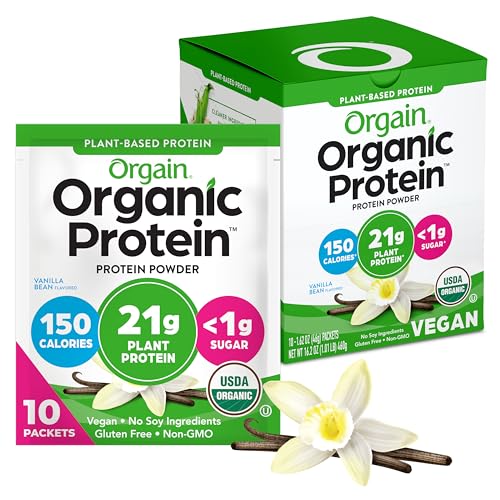
Product overview: This plant-based protein powder delivers 21g of protein with 5g of prebiotic fiber per serving, and uses organic peas, brown rice, and chia seeds. It is best for: vegans or those avoiding dairy while still needing a complete amino acid profile. Why selected: a clean, organic option with fiber support that may aid gut health and satiety. Caution: plant-based proteins sometimes have a grittier texture; blending or shaking may help with mixability.
Pure Protein Chocolate Peanut Butter Bars

Product overview: This bar offers 20g of protein with 3g sugar, 190 calories, and gluten-free formulation. It is best for: a balanced, lower-sugar chocolate treat that doubles as a protein source. Why selected: provides a satisfying, convenient snack while keeping sugar relatively low. Caution: calorie count remains higher than some other low-calorie options; consider portion control if dieting strictly.
Buying Guide: Key Considerations for Low-Calorie Protein Supplements
- Protein density per serving: If you want powerful muscle support with minimal calories, prioritize products offering 20-30g protein per serving with low sugars and limited carbs.
- Diet type: Choose dairy-based (whey) for complete amino acids and fast absorption, vegan options (pea, rice, chia blends) for plant-based diets, or zero-carb formulas for strict low-carb plans.
- Calorie targets: Compare calories per serving to fit your daily intake goals. Some options emphasize high protein with very low calories, while others balance protein with a modest calorie count.
- Added ingredients: Prebiotic fiber, greens, or vitamins can support digestion and overall wellness. Check for artificial sweeteners and flavoring if you have sensitivities.
- Flavor and mixability: Unflavored or lightly flavored powders may require blending or shaker bottles. Ready-to-drink shakes offer convenience but can have higher calorie counts in some cases.
- Allergen considerations: If you have soy, gluten, or dairy sensitivities, verify ingredient lists and certifications (gluten-free, Non-GMO, kosher, etc.).
- On-the-go usage: Bars and ready-made shakes provide portability, but watch for net carbs and added sugars in bar formats.
Frequently Asked Questions
- What is the best low-calorie protein powder for weight management?
Whey isolate and zero-carb formulas typically offer high protein with minimal calories and carbs, making them a strong choice for weight management.
- Are vegan protein powders as effective as dairy-based proteins?
Yes, they can be, though amino acid profiles differ. A blend of plant proteins can provide a complete amino acid profile suitable for most goals.
- Should I choose protein bars over powders for daily protein intake?
Bars are convenient for on-the-go snacking, but compare protein per bar and net carbs to ensure they align with your goals and daily macros.
- Can I use protein shakes as meal replacements?
Some low-calorie shakes can substitute a meal, but consider fiber, micronutrients, and satiety. For long-term use, combine with whole foods for balance.
- What should I watch for in label claims like “zero sugar”?
Check for sugar alcohols or artificial sweeteners, and verify total calories and carbohydrates per serving to avoid hidden calories.
- Are there compatibility considerations with medications or medical conditions?
Consult a healthcare professional if you have conditions that require monitoring protein, sodium, or certain additives in supplements.
Leave a Reply