Best Protein Supplements for Lactose Intolerance: Easy, Digestible Options
If you’re lactose intolerant and want a protein boost, choose products specifically formulated to aid dairy digestion, use plant-based proteins, or offer lactose-free dairy options. This guide highlights five practical options for different needs—whether you want lactose-digesting enzymes, dairy-free shakes, or low-lactose dairy alternatives. It targets adults seeking convenient, gut-friendly protein sources for fitness, daily nutrition, or meal replacement. The following selections are best for individuals who want clear lactose support, minimal GI discomfort, and simple integration into meals or shakes.
| Product | Why It Works For | Key Benefit |
|---|---|---|
| NOW Foods Dairy Digest Complete | Lactose digestion with dairy proteins and fats; Vegan/Kosher | Comprehensive dairy-tolerance enzymes |
| Premier Protein Non-Dairy Almondmilk Shake (Vanilla) | Plant-based, dairy-free protein | 20g plant protein, low sugar |
| Enzymedica DairyAssist Digestive Enzymes | Lactase plus protease for dairy digestion | Two-in-one dairy support |
| Micro Ingredients Goat Milk Powder | Lower lactose content; easy to digest | Goat milk with probiotics |
| Hester FARM Lactose Free Milk Powder | Lactose removed; suitable for cooking and drinking | Whey-based lactose-free option |
NOW Foods Dairy Digest Complete

Overview: A dairy tolerance enzyme blend designed to aid digestion of lactose, dairy proteins, and fats. It combines lactase with proteases and lipases to target milk components for better digestion. This product is marked vegan/vegetarian and kosher, with soy-free and keto-friendly attributes, making it suitable for specific dietary needs.
Best for: Individuals who consume dairy but experience discomfort and want a targeted enzymatic approach to improve digestion of lactose and dairy fats and proteins. Also suitable for vegans seeking suitable enzyme blends and those on restrictive diets.
Why selected: It directly addresses multiple dairy components rather than lactose alone, offering a broader digestive support profile. The enzyme blend helps to break down milk sugars, proteins, and fats, which can be beneficial for those with mixed dairy sensitivities.
Caution: Enzyme efficacy varies by individual, and this product is not a substitute for medical advice for milk allergies. Always follow the dosing on the label with meals containing dairy.
Premier Protein Non-Dairy Almondmilk Protein Shake

Overview: A plant-based protein shake made with almondmilk, offering a creamy vanilla flavor without dairy. Provides 20g of plant-based protein per bottle, with 5g sugar and 160 calories or less per serving, and no artificial flavors, colors, or sweeteners.
Best for: Anyone seeking a dairy-free protein option with a familiar shake experience; ideal for athletes or people who prefer non-dairy protein sources for daily meals or post-workout recovery.
Why selected: It delivers substantial protein without lactose or dairy, making it a safe, convenient choice for lactose-intolerant individuals who still want a ready-to-drink shake. It’s also convenient for on-the-go nutrition.
Caution: Plant-based proteins may have a different amino acid profile than dairy proteins; those needing high-branched-chain amino acids for intense training should consider supplementing accordingly.
Heivy Pure Lactase Enzyme 9000 FCC

Overview: Fast-acting lactase enzyme caplets designed to help digest lactose when consuming dairy. Each serving provides high lactase activity to support lactose digestion and minimize discomfort after dairy-containing meals.
Best for: People who occasionally consume dairy but want reliable lactose digestion support to prevent symptoms like gas, bloating, or cramps after meals.
Why selected: A straightforward option focusing on lactose digestion; easy to incorporate before meals. It can complement dairy-containing foods or dairy-based protein sources for better overall tolerance.
Caution: Not a substitute for medical treatment if you have a severe lactose intolerance or dairy allergy; dosing consistency matters for best results.
Nutricost Whey Protein Isolate (Unflavored) 5LBS
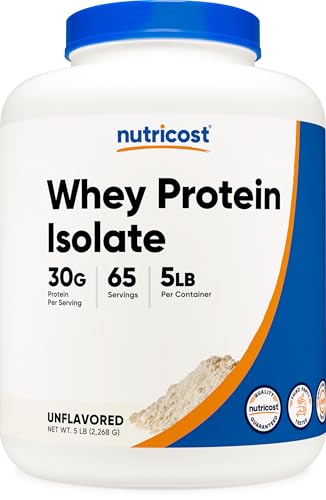
Overview: Unflavored whey protein isolate powder. Contains 30g of protein per serving with 65 servings per bottle. Lyses recommended for those who can tolerate lactose; often considered less suitable for lactose-intolerant individuals due to trace lactose in whey isolates.
Best for: Individuals who tolerate limited lactose and want a versatile protein base that can be added to foods or beverages without altering flavor. Suitable for those not strictly lactose-free but seeking a high-protein option.
Why selected: Included for comparison where some readers may tolerate small amounts of lactose and want a neutral protein powder to mix with lactose-friendly recipes or non-dairy milk substitutes.
Caution: Not ideal for strict lactose intolerance; better for those with mild intolerance or those who can tolerate trace lactose levels in whey isolates.
Dymatize ISO100 Whey Protein Isolate

Overview: A whey protein isolate designed to support muscle growth and quick digestion. Purportedly low lactose, with low fat and sugar, and gluten-free attributes. Made in the USA for broad accessibility.
Best for: Readers who can tolerate small amounts of lactose or who use lactose-reduced products and want a high-quality protein source for post-workout recovery or meal supplementation.
Why selected: Demonstrates a high-quality protein option available to readers who are not strictly lactose-free but seek rapid absorption and low lactose content in a dairy-based powder.
Caution: Contains dairy; not suitable for those with dairy allergies or strict lactose intolerance. Consider lactose-free options if symptoms are persistent.
Enzymedica DairyAssist Digestive Enzymes

Overview: A 2-in-1 digestive enzyme formula combining lactase with protease to aid digestion of dairy and proteins. Designed to reduce common dairy-related discomfort and gas after meals.
Best for: Consumers seeking balanced dairy digestion support that covers lactose and dairy proteins, especially when meals include milk or cheese.
Why selected: It provides broader dairy support than lactose-only supplements, helping with overall dairy comfort, especially for mixed meals or varied dairy products.
Caution: Real-world effectiveness varies; should be used as directed alongside meals containing dairy.
Buying Guide: Key Considerations For Choosing Lactose-Friendly Protein
- Diet type and tolerance: If you follow a dairy-free or vegan diet, prioritize plant-based shakes or lactose-free dairy products. If you tolerate dairy with enzymes, consider enzyme blends that aid lactose digestion and protein digestion.
- Protein source: Choose between plant-based proteins (pea, almond, soy) and dairy-based proteins (whey, casein) based on tolerance, amino acid needs, and fitness goals. Plant-based options often provide lactose-free alternatives.
- Lactose reduction vs. elimination: Lactase enzymes help digest lactose but do not remove lactose from foods. Lactose-free products are built to minimize lactose exposure entirely.
- Form factor: Decide on powders, ready-to-drink shakes, capsules, or goat milk powders. Convenience, taste preferences, and cooking uses influence this choice.
- Additional ingredients: Look for products with minimal artificial additives, added sugars, or allergens if those are concerns.
- Intended use: Post-workout, meal replacement, or daily supplementation will guide which product type best supports your routine.
- Allergies and sensitivities: Some products may contain soy, gluten, or dairy; check labels for cross-contact risks and certifications if needed.
Frequently Asked Questions
Is a lactose-free protein powder always dairy-free?
No. Lactose-free powders can still derive from dairy (such as whey isolate with lactose removed). Plant-based options are dairy-free.
Can lactose enzymes help with all dairy products?
Enzymes can aid digestion of lactose and certain dairy components, but effects vary by person and dairy product type.
What is the best option for strict lactose intolerance?
Plant-based or lactose-free dairy products are typically best, as they minimize lactose exposure altogether.
Are goat milk products suitable for lactose-intolerant individuals?
Goat milk often has lower lactose but is not lactose-free; some individuals tolerate it better, while others do not.
Should I combine dairy digestion enzymes with dairy-free protein?
Yes, enzymes can help with incidental dairy exposure, while dairy-free protein supports a fully lactose-free intake.
Leave a Reply