Best Protein Powder With Vitamins and Minerals for Daily Nutrition
If you’re looking for a protein powder that also packs essential vitamins and minerals, you’ve found the right guide. This article highlights five products that balance high protein with nutrient-rich support. Best for post-workout recovery, meal hacking, or daily supplementation, these picks are suitable for active adults, busy professionals, and anyone aiming to boost intake of micronutrients along with protein. The summary table below helps you compare key traits at a glance.
| Product | Protein | Vitamins & Minerals | Best For |
|---|---|---|---|
| Muscle Milk Pro Series – Knockout Chocolate | 50 g per serving | 20 vitamins & minerals | Post-workout recovery |
| Garden of Life Raw Organic Protein & Greens – Vanilla | 20 g per serving | Greens plus minerals | Plant-based recovery & greens boost |
| Muscle Milk Pro Series – Slammin’ Strawberry | 50 g per serving | 20 vitamins & minerals | On-the-go nutrition |
| NaturesPlus SPIRU-TEIN – Vanilla (1.06 lb) | 14 g per serving | Vitamins & minerals, enzymes | Plant-based energy support |
| Isopure Essentials 100% Whey – Vanilla Buttercream | 20 g per serving | 20 vitamins & minerals | Immune/metabolism support |
Muscle Milk Pro Series: Knockout Chocolate

This Muscle Milk Pro Series powder delivers 50 g of protein per serving, along with 20 vitamins and minerals. The chocolate flavor is designed for shake-ready situations and post-workout recovery. Best for athletes seeking high-protein support with a broad micronutrient profile. A potential limitation is that packaging may vary, so nutrition packaging could differ in future batches.
Who it’s best for: Serious lifters and endurance athletes who want a complete protein with micronutrients to aid recovery. Why chosen: It combines high protein with a comprehensive vitamin/mineral blend in a convenient 2 lb canister (about 11 servings).
Garden of Life Raw Organic Protein & Greens – Vanilla
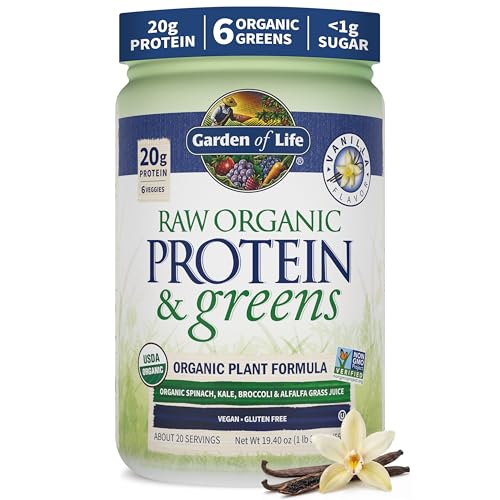
This plant-based option provides 20 g of protein per serving and includes six organic greens plus a broad mineral profile. It also delivers 250 million CFU probiotics and non-GMO enzymes, supporting digestion and immune health alongside muscle recovery. Best for vegetarians, those avoiding dairy, or anyone seeking greens alongside protein. Limitation: contains multiple plant-based ingredients that may influence taste and texture for some palates.
Who it’s best for: Vegans or dairy-avoidant consumers who want protein with greens and probiotics. Why chosen: Combines protein with greens and minerals in a single vanilla-flavored powder that mixes easily with cold liquids.
Muscle Milk Pro Series: Slammin’ Strawberry

This strawberry-flavored variant mirrors the Knockout Chocolate with 50 g of protein and 20 vitamins & minerals per serving. It’s well-suited for those who prefer fruit-forward flavors while maintaining post-workout recovery support. Caution: packaging variation may impact taste and scoop size in different shipments.
Who it’s best for: On-the-go professionals who want a high-protein, vitamin-rich shake that travels well. Why chosen: It provides the same nutrient-dense profile as the chocolate option, offering flavor variety without sacrificing nutrient delivery.
NaturesPlus SPIRU-TEIN Vanilla (1.06 lb)

This spirulina-based protein powder delivers 14 g per serving and includes a plant-based blend with enzymes, fiber, and minerals to support energy and immune health. Best for individuals seeking a vegan protein option with a fortified micronutrient profile. Limitation: lower protein per serving compared to some whey blends, which may affect overall protein targets for some users.
Who it’s best for: Vegan or plant-protein enthusiasts who want added spirulina nutrients. Why chosen: Combines protein with vitamins, minerals, and digestion support in a vanilla formula suitable for mixing with beverages or foods.
Isopure Essentials 100% Whey – Vanilla Buttercream
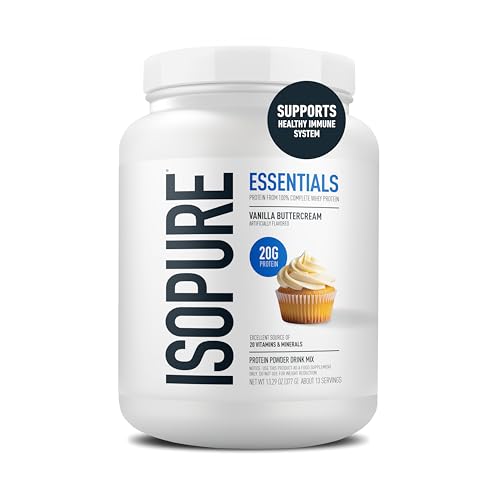
Isopure Essentials offers 20 g of whey protein per serving and is enriched with an excellent source of 20 vitamins and minerals. This option supports immune function and metabolism while remaining gluten-free and low in lactose, depending on formulation. Best for individuals seeking a clean whey option with micronutrient support. Caution: whey-based products may not suit dairy-sensitive individuals.
Who it’s best for: Those who prefer whey protein with a robust micronutrient boost. Why chosen: Clear, straightforward ingredient profile with a focus on immune and metabolic support, wrapped in a convenient vanilla buttercream flavor.
Buying Guide
- Protein needs: Compare grams per serving and consider whether you want whey, plant-based, or blends. High-protein options (like 50 g per serving) suit strength training; lighter options (around 14–20 g) fit meal-replacement needs.
- Vitamin and mineral content: Look for products listing a broad micronutrient profile (20 vitamins and minerals is common). Check for ingredients you require or may want to avoid (allergies, sensitivities).
- Dietary preferences: Choose plant-based proteins if dairy is an issue. For dairy-tolerant individuals, whey-based options often offer complete amino profiles.
- Calories and sugar: Consider total calories and sugar per serving. Some options keep sugar low (e.g., 3 g) while still delivering protein and micronutrients.
- Flavor and mixability: Vanilla and chocolate flavors typically mix well with water, milk, or smoothies. If you dislike grit, check for blend types or added enzymes.
- Packaging and serving size: A 2 lb canister generally provides around 11 servings; verify scoop size and consistency with your shaker or blender.
- Allergen and certifications: NSF Certification for Sport and similar endorsements can be important for athletes or those seeking third-party validation.
Frequently Asked Questions
- What is the main benefit of choosing protein powder with vitamins and minerals? It provides protein for muscle support while delivering a micronutrient boost to support overall health and metabolism.
- Should I choose plant-based or whey protein for vitamins? Both can include vitamins and minerals; choose based on dietary preferences and tolerance.
- How do I verify label accuracy? Look for third-party certifications and compare listed vitamins and minerals to daily values.
- Is a higher protein content always better? Not necessarily; consider your total daily protein goals and how a given product fits into your overall diet.
- Can I use these products as meal replacements? Some are suitable for shakes between meals; others work best as post-workout or supplement to meals.
- Do these products contain allergens? Check each label for dairy, soy, gluten, and other common allergens to avoid reactions.
Leave a Reply