Best Protein Powder for Celiacs: Gluten-Free Options for Every Lifestyle
Choosing a protein powder when you have celiac disease means focusing on gluten-free ingredients, clean labeling, and reliable certifications. This guide highlights five gluten-free protein powders that are popular among people with celiac disease, offering plant-based or whey options to fit different dietary needs. Each product below includes a quick snapshot of its gluten-free and allergen-friendly traits, helping you compare quickly and choose confidently for shakes, smoothies, or baking.
Summary of Selected Products
| Product | Brand | Gluten-Free Notes | Protein Type | Highlights |
|---|---|---|---|---|
| Orgain Organic Vegan Protein + 50 Superfoods Powder | Orgain | Gluten-free, USDA Organic, Non-GMO | Plant-based | 50 organic superfoods, 21g protein, 8g prebiotic fiber |
| Isopure Clear Whey Isolate Protein Powder | Isopure | Gluten-free, lactose-free | Whey isolate | 20g protein, light, clear formula |
| Garden of Life Protein Powder (Vegan) | Garden of Life | Gluten-free, lactose-free | Plant-based | 22g protein, probiotics & digestive enzymes |
| Oath Nutrition Clear Whey Isolate | Oath Nutrition | Gluten-free, no added sugar | Whey isolate | 20g protein, juice-like taste |
| Sunwarrior Organic Plant Based Protein Powder | Sunwarrior | Gluten-free, non-GMO | Plant-based | Vanilla flavor, hemp and pea blend |
Orgain Organic Vegan Protein + 50 Superfoods Powder
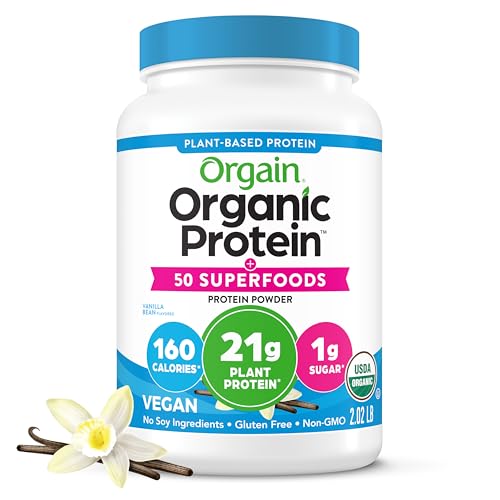
Orgain’s vegan protein blend combines organic pea and brown rice proteins with chia seeds to deliver 21g of protein per serving. It contains 8g of prebiotic fiber and a 50-superfoods blend including kale, spinach, and beet. The product is USDA Organic, vegan, gluten-free, non-GMO, and free from dairy ingredients, carrageenan, artificial additives, and soy. This makes it a versatile option for individuals with celiac disease who want a plant-based protein with gut-friendly support and clean labeling.
Organic Plant Based Protein Powder (Vanilla) by Sunwarrior

Sunwarrior’s Vanilla Organic Plant Based Protein Powder blends hemp seed and pea protein to create a complete amino acid profile without dairy. It’s non-GMO and gluten-free, designed for clean recovery and steady energy. The Warrior Blend emphasizes a plant-powered formula that avoids added sugar or artificial fillers, making it suitable for those managing gluten intolerance and seeking a dairy-free option.
Isopure Clear Whey Isolate Protein Powder

Isopure Clear Whey Isolate provides 20g of ultra-filtered whey protein per serving in a lactose-free, gluten-free formula. It is marketed as a light, refreshing option with a tropical punch flavor, ideal for those who want a protein drink without the heaviness of traditional shakes. The product focuses on simplicity with a low carb profile, appealing to gluten-sensitive readers who still want a dairy-based protein option without lactose.
Oath Nutrition Clear Whey Isolate

Oath Clear Whey Isolate offers 20g of complete protein per serving with no added sugar, derived from grass-fed whey. The powder is designed to mix clear, juice-like rather than creamy, providing a refreshing alternative for athletes and busy individuals. It is gluten-free and focuses on clean ingredients to support daily protein needs while avoiding gluten exposure.
Optimum Nutrition Gold Standard Whey (Fruity Cereal)

Optimum Nutrition Gold Standard Whey uses whey protein isolate as the primary ingredient, delivering 24g of protein per scoop with naturally occurring BCAAs and EAAs. It has a low sugar and low carb profile, making it suitable for lean muscle goals while attempting to avoid gluten exposure. While not explicitly labeled gluten-free, it is widely used by gluten-sensitive individuals; cross-contamination considerations should be reviewed on the packaging and by individual sensitivities.
Buying Guide: Key Purchase Considerations For Celiacs
- Gluten-free certification and labeling: Look for labels such as gluten-free, USDA Organic, non-GMO, and third-party verification to ensure the product meets strict gluten-free standards.
- Protein source and allergen profile: Plant-based powders (peas, hemp, rice) are typically gluten-free and dairy-free, while whey isolates can be suitable if lactose is avoided. Always check for cross-contact warnings on the packaging.
- Sugar content and net carbs: For many, lower sugar and lower net carbs support better health outcomes. Clear whey options may offer light or no-sugar varieties, while plant-based blends often emphasize natural sweetness or added sugars only if labeled.
- Digestive health features: Some products include prebiotics, probiotics, or digestive enzymes. If gut health is a priority, these can be helpful additions, especially for celiac-related sensitivities.
- Certifications and processing practices: Certifications such as USDA Organic, vegan, and third-party gluten-free validation help ensure product integrity. Review facilities’ cross-contamination controls when necessary.
- Dietary preferences and goals: Choose based on your diet—vegan/vegetarian options for plant-based diets or whey isolates for higher protein density with quick absorption.
- Flavor and mixability: Taste and texture matter for consistency of use. Plant-based blends can be smoother with proper blending or mixing techniques; whey isolates may mix easily in water or milk alternatives.
- Usage occasions: Consider whether you want a smoothie booster, a post-workout shake, or an on-the-go option. Some powders mix well in water, others in smoothies or baked goods.
When evaluating options, compare the protein type, the gluten-free certifications, and any additional gut-support ingredients. If you have celiac disease, prioritize products with explicit gluten-free labeling and a history of strict allergen controls in manufacturing. Always test a small amount first to confirm tolerance and monitor for any unintended reactions.
Leave a Reply