Best Protein Powder Options for Every Fitness Goal in 2026
Searching for a protein powder that’s safe to use and effective for your goals? Note that the FDA does not approve dietary supplements like protein powders. Choose products from reputable brands, check ingredient lists, and align your pick with your dietary needs and training plan. This guide highlights five protein powders likely to meet common needs such as post-workout recovery, lean muscle gain, plant-based options, and on-the-go convenience. The top picks are best for athletes, everyday exercisers, and those seeking convenient meal supplementation. A quick summary table follows for fast comparison.
Summary of selected products
| Product | Best For | Protein Type | Notable Benefit |
|---|---|---|---|
| Optimum Nutrition Gold Standard 100% Whey (Double Rich Chocolate) | Lean muscle and recovery | Whey Protein Isolate/Concentrate | High-quality protein with balanced amino acids |
| Optimum Nutrition Gold Standard 100% Whey (Vanilla Ice Cream) | Versatile flavor for shakes | Whey Protein Isolate/Concentrate | Great mixability and low sugar |
| Premier Protein Powder Vanilla Milkshake | On-the-go daily protein | Whey Protein | High protein per serving, low sugar |
| Dymatize ISO100 Whey Isolate (Gourmet Vanilla) | Fast-absorbing protein for post-workout | Whey Protein Isolate | Low carbs and fats, high bioavailability |
| Orgain Organic Vegan Protein Powder (Creamy Chocolate Fudge) | Plant-based option | Pea, Brown Rice, Chia | Certified organic and vegan |
Optimum Nutrition Gold Standard 100% Whey Protein Powder — Double Rich Chocolate

Key features: 24 g high-quality whey protein per scoop; 5.5 g naturally occurring BCAAs + 11 g EAAs; low sugar, low carb, low fat. Primary ingredient is whey protein isolate, with carbs and fat largely isolated. This makes it a solid choice for lean muscle maintenance and growth during regular resistance training.
Best for: Athletes and active individuals aiming for lean muscle and efficient post-workout recovery. This variant is well-suited for those who want a trusted, go-to protein with a classic chocolate flavor.
Caution: Some users sensitive to dairy may experience gastrointestinal discomfort; monitor sugar and carb intake if following strict macro targets.
Optimum Nutrition Gold Standard 100% Whey Protein Powder — Vanilla Ice Cream
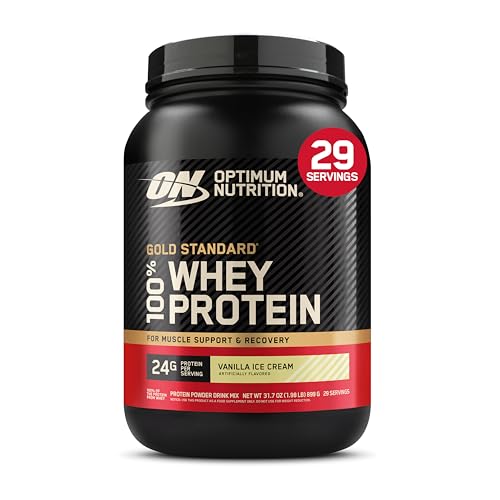
Key features: 24 g protein per scoop; 5.5 g BCAAs + 11 g EAAs; low sugar, low carb, low fat with whey isolate as primary. Flavor versatility makes it suitable for shakes, coffee blends, or baking experiments that require protein fortification.
Best for: Those seeking a versatile whey protein to mix with water, milk, or coffee while controlling sugar and carbs.
Caution: Flavor preference varies; vanilla may be less cocoa-forward than chocolate options, which can influence taste expectations.
Premier Protein Powder — Vanilla Milkshake
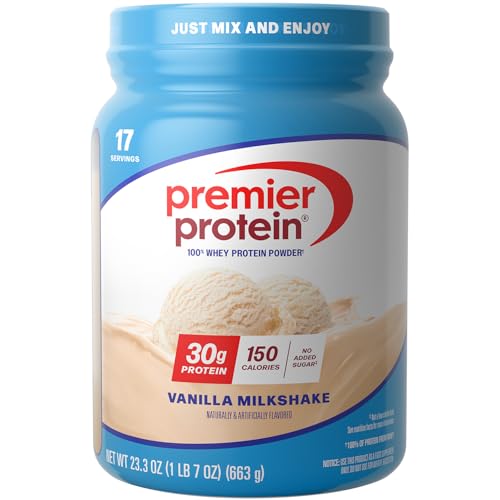
Key features: 30 g protein per serving from whey; 1 g sugar, 3 g carbs; 150 calories per serving; gluten-free and soy-free; no artificial sweeteners noted in the listing. This powder emphasizes meal-like fullness with a creamy vanilla taste.
Best for: Individuals who want a high-protein, low-sugar option that can serve as a quick meal replacement or a post-workout shake.
Caution: Higher protein per scoop may be too rich for some, and flavoring can be sweeter for sensitive palates.
Dymatize ISO100 Whey Protein Powder Isolate — Gourmet Vanilla

Key features: 25 g protein per serving; 5.5 g BCAAs; less than 120 calories; 1 g fat and 1 g sugar; gluten-free and made in the USA. Designed for rapid absorption and minimal lactose content due to purification.
Best for: Individuals seeking a fast-absorbing whey isolate to support post-workout recovery and lean gains, with minimal carb and fat load.
Caution: Isolate products can be more expensive and may have a more neutral flavor profile—taste can be less creamy for some users.
Orgain Organic Vegan Protein Powder — Creamy Chocolate Fudge

Key features: 21 g plant-based protein per serving; 6 g prebiotic fiber; low net carbs; no lactose; non-GMO, vegan, USDA organic certified; no artificial colors or flavors listed. Blends well in shakes and smoothies for a plant-forward protein boost.
Best for: Vegans or those seeking a dairy-free option with a focus on organic ingredients and gut-friendly fiber.
Caution: Flavor and texture can vary compared with dairy-based proteins; some users may prefer added flavors or texture enhancements.
Buying Guide
What matters most when choosing protein powder?
Protein type: Whey isolates or blends support fast absorption and muscle growth, while vegan proteins provide dairy-free options. Consider digestion, dietary restrictions, and taste preferences when choosing.
Protein per serving: Higher protein per scoop supports greater satiety and muscle repair but may require adjusting overall daily intake to avoid excess calories.
Flavor and texture: Flavor variety and solubility influence daily adherence. If you dislike chalky textures, look for blends with emulsifiers or alternative sweeteners.
Amino acid profile: A complete amino acid profile, including BCAAs and EAAs, supports recovery and synthesis. Check the grams per serving in relation to your training volume.
Sugar and carbs: For lean goals, lower sugar and carb content helps manage daily macros. Some powders are designed specifically for low-carb or keto-friendly plans.
Allergen considerations: If you have dairy, soy, gluten, or peanut allergies, choose labeled alternatives accordingly. Plant-based options avoid dairy and may suit allergies better in some cases.
Quality and safety: Look for brands with transparent ingredient lists and third-party testing where possible. While the FDA does not approve supplements, reputable brands often provide quality controls.
How to use protein powders effectively?
Timing: Consuming protein within 1–2 hours after workouts supports immediate recovery, while daily supplementation helps meet total protein goals.
Serving size: Use the recommended serving size on the package and adjust based on daily protein targets and caloric needs.
Mixing ideas: Combine with water, milk, or non-dairy drinks. Experiment with shakes, smoothies, oats, or baked goods to diversify intake.
Dietary goals and product selection
- Lean muscle gain: Prioritize whey isolates or blends with high protein per serving and controlled sugar.
- Post-workout recovery: Look for higher BCAA and EAA content, plus fast-absorption proteins like whey isolates.
- Plant-based or dairy-free: Choose vegan blends with complete amino acid profiles and controlled net carbs.
- On-the-go convenience: Consider powders with easily mixable textures and strong flavor options.
FAQ (buyer-intent)
- Is protein powder FDA approved?
- Which protein powder is best for post-workout?
- Are vegan protein powders as effective as whey?
- How should I choose between flavors?
- Can I use protein powder as a meal replacement?
- Are there any safety concerns with protein powders?
Dietary supplements are not approved by the FDA. Always verify ingredients and consider brand quality and manufacturing standards.
Whey protein isolates or rapidly absorbed whey blends are commonly recommended for post-workout recovery due to fast digestion and high essential amino acids.
Plant-based proteins can effectively support muscle gain when consumed in adequate amounts and combined to provide a complete amino acid profile.
Flavor preference impacts adherence. If you dislike the flavor, you’re less likely to use the product consistently, so choose a flavor you enjoy.
Some products are formulated as meal-replacement options with higher calorie counts, fiber, and fats. Check the label and ensure it aligns with your dietary goals.
Most are safe for healthy adults when used as directed. If you have medical conditions or are taking medications, consult a healthcare provider before starting supplementation.
Leave a Reply