Best Powder Red Food Coloring for Baking and Decorating
Powder red food coloring offers strong, pure hues ideal for dry mixes, fondant, and candy projects. This guide highlights five widely used powder reds, explains who they’re best for, and compares their strengths and limits. Use these picks to achieve vivid, consistent shades without altering texture or flavor. Ideal buyers include professional bakers, home decorators, and anyone crafting edible art with alcohol-free or flavor-neutral powders.
| Product | Brand | Best For | Why It Stands Out |
|---|---|---|---|
| Americolor Powder Food Color, 3gm, Red | AmeriColor | Detail work, small-batch coloring | Reliable, true red in a compact 3g jar; great for precise shading. |
| Chefmaster Red Dry Powder Candy Color | Chefmaster | Candy decorations, dry mixes | Vivid, true-to-shade hues and easy blending for repeatable colors. |
| Nutricost Red Plant Based Food Coloring | Nutricost | Natural, plant-based colorings | Beet-root derived for a clean, natural red option. |
| Dekozauber24 Natural chili red food coloring | Dekozauber24 | Vegan, dye-free lifestyle | All-natural, dye-free formula from real fruits/vegetables. |
| ERCorArt 10 Vivid Colors Powder Food Dye | ERCorArt | Varied palettes, baking and decorating | Ten highly concentrated colors in 5g bottles for broad use. |
Note: This overview emphasizes powder color that is tart, flavorless, and suited for dry mixing or direct application. Each option has trade-offs in flavor neutrality, concentration, and allergen considerations. Use the Buying Guide and FAQ to match your project needs.
Americolor Powder Food Color, Red

Best for precise shading in small batches. This 3-gram powder is designed to deliver a consistent red that works well in fondant, frosting, and dry mixes. It is favored by decorators who need repeatable results across multiple projects. The compact size makes it easy to store and measure. Caution: concentrated powder can stain; use with a clean, dedicated utensil to avoid color transfer.
Chefmaster Red Dry Powder Candy Color

Best for dry candy-making and sugar crafts. Chefmaster’s red powder provides vivid, true-to-shade hues with easy repeatability when blended with small amounts of alcohol or extract. It suits professional pastry work where a consistent palette is critical. Limitation: designed for dry mixes; if used in liquid applications, color intensity may vary without careful dilution.
Nutricost Red Plant Based Food Coloring
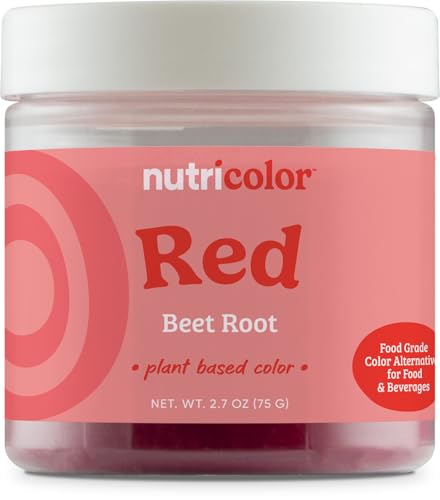
Best for natural, plant-based color needs. Nutricost uses beet root powder to deliver a red hue suitable for foods and beverages. It’s a clean-label option for those avoiding synthetic colors. Consideration: natural colorants can vary by batch; test color strength before large deployments.
Dekozauber24 Natural Chili Red Coloring

Best for dye-free, vegan-friendly color. This natural powder uses real fruits and vegetables to achieve brightness without synthetic dyes. It’s suitable for vegan, kosher, or halal recipes and remains flavorless, preserving recipe integrity. Caution: results can vary with pH; adjust with care for consistent shades across dishes.
ERCorArt 10 Vivid Colors Powder

Best for builders and artists who want a broad color map. ERCorArt provides ten highly concentrated colors in 5g bottles, allowing you to mix and match for custom reds and shades before applying to frosting, fondant, or chocolate. Note: color perception shifts with mixing; start with small sips of powder and adjust gradually.
McCormick Culinary Red Food Coloring
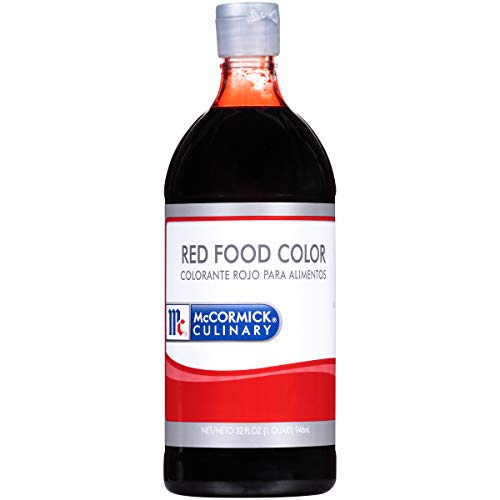
Best for kitchen-scale use and bulk recipes. McCormick Culinary Red is a reliable, tasteless color suitable for frosting, cookies, and more, with a large 32-fluid-ounce bottle for ongoing projects. It remains color-stable across procedures. Limitation: bottle size may be excessive for small home projects and storage considerations.
Buying Guide: Powder Red Food Coloring Essentials
- Concentration and tint strength: Powder colors are often highly concentrated; start with small amounts and build up to the desired shade to avoid overcoloring.
- Flavor impact: Most powder colors are flavor-neutral, but always check the ingredient list if you’re sensitive to additives or natural extracts.
- Source and ingredients: Natural or plant-based powders suit clean-label requirements. Synthetic powders may offer more consistent stability.
- Application method: Dry-use powders excel in fondant, candy, and dusting; some can be dissolved in alcohol or extract to create liquid colors for painting or hand-detail work.
- Storage and handling: Keep powders sealed to prevent clumping and preserve color integrity. Use dedicated utensils to avoid cross-contamination.
- Allergen and dietary considerations: Look for vegan, kosher, or gluten-free labeling if required for your audience.
FAQ
- Can I substitute liquid food coloring for powder colors? Yes, but you may need different ratios and may affect texture or drying times.
- Is natural beet-based color safe for all diets? Generally yes, but check for individual allergies and ensure it matches your dietary needs.
- Do powder colors affect taste? Most are flavorless, but some natural blends may impart a faint plant or fruit note depending on the formula.
- Which powder color is best for professional bakers? Concentrated, repeatable colors with good stability under heat are preferred for large-batch projects.
- How should I store powder colors? In a cool, dry place with airtight containers to prevent moisture and clumping.
- Are dye-free options truly color-free to taste? Dye-free powders can still impart color; always test in small amounts to gauge shade.
Leave a Reply