Best Plants for Tea: Grow Your Flavorful Garden at Home
Discover evergreen favorites and seed collections perfect for creating a personal tea garden. From Camellia sinensis that yields true tea leaves to herbal blends and ornamental options that support a thriving, aromatic space, these plants and seeds help you brew, steep, and savor delightful flavors right at home. Explore five top picks with care guides to fit indoor balconies, sunny patios, or outdoor beds.
Summary of chosen products:
| Product | Brand | What It Is Best For | Notes |
|---|---|---|---|
| Tea Plant (Green Tea) Live Plant | Wellspring Gardens | Camellia sinensis leaves for true tea | Indoor/outdoor versatility; container-friendly |
| Sereniseed Certified Organic Herbal Tea Seed Collection | Sereniseed | Herbal tea blends and aromatics | Open-pollinated, non-GMO seeds |
| Perfect Plants Tea Olive 3 Gallon | PERFECT PLANTS | Aromatic tea olive shrub for landscape use | Sun-loving, fragrant bloom |
| 9EzTropical – Green Tea (Camellia sinensis) – 1 Plant | 9EzTropical | Green tea leaves for home growing | Small, manageable starter plant |
| Organo Republic 35 Medicinal & Tea Herb Seeds Variety Pack | Organo Republic | Medicinal and tea herb seeds for variety | Large seed assortment for ongoing harvests |
Tea Plant (Green Tea) Live Plant

The Tea Plant, Camellia sinensis, offers a real source for tea leaves when cultivated in containers or ground beds. It can reach 6 to 8 feet in maturity, with glossy dark green leaves and subtle blooms. Regular liquid fertilization during the growing season supports steady growth. It prefers full to partial sun and well-drained, moist, acidic soil. Watering needs are moderate, making it a adaptable option for many American gardens or bright indoor spaces.
Key features from the listing emphasize a compact arrival size (3–8 inches) in a small pot and strong versatility for indoor and outdoor settings. This plant is suitable for hobbyist tea growers who want to observe gradual development into a stately backdrop plant.
Sereniseed Organic Herbal Tea Seed Collection (10-Pack)

This 10-pack from Sereniseed brings a diverse set of herbs ideal for blending, steeping, and crafting caffeine-free teas. Included varieties feature lavender, lemon balm, chamomile, peppermint, catnip, holy basil, and other fragrant botanicals. The collection emphasizes organic, open-pollinated, and non-GMO seeds with a grow guide to support successful germination and ongoing harvests. A great choice for expanding tea garden flavors beyond traditional Camellia sinensis.
Considerations include seed viability, climate adaptability, and the need for proper soil, light, and watering. This option suits gardeners seeking a diverse, perennial-friendly herb garden aligned with tea-making traditions.
Perfect Plants Tea Olive 3 Gallon
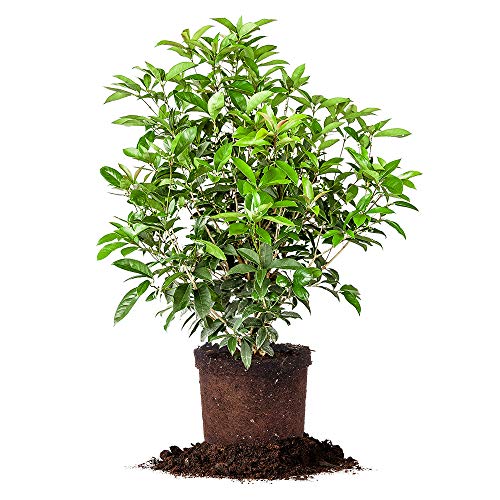
The Tea Olive (Osmanthus fragrans) is a fragrant, broad-use shrub perfect for adding scent to gardens and patios. It thrives in full sun and can tolerate partial shade, producing annual blooms with a sweet perfume reminiscent of southern tea culture. The plant is described as compact and bush-like, making it suitable for planting in rows or as accent specimens along walkways. It typically requires minimal pruning to maintain a neat appearance, aligning with low-maintenance landscape goals.
Care guidance highlights sun exposure, blooming cycles in spring through summer, and a preference for well-drained soil. While not a true tea plant, its fragrance and ornamental value pair well with a tea-themed garden or outdoor entertaining space.
9EzTropical Green Tea Camellia Sinensis (1 Plant)

This single Green Tea plant provides a compact entry point into Camellia sinensis cultivation. As a fall shipment option, it arrives as a 1-Gallon plant suitable for containers or garden beds. The listing emphasizes the plant name as Green Tea and notes its suitability for home growing. Regular care includes light to bright exposure and moisture-balanced soil to support healthy growth toward larger harvests of tea leaves over time.
Prospects include simple start-up, space-conscious placement, and the potential for incremental leaf production. It is a practical choice for beginners interested in exploring traditional tea leaf cultivation in a temperate American climate.
Organo Republic 35 Medicinal & Tea Herb Seeds Variety Pack

This large seed collection includes 35 medicinal and tea herb varieties such as chamomile, lemon balm, peppermint, lavender, and more. The pack emphasizes non-GMO, heirloom seeds with a robust germination rate and an accompanying growing guide. It is designed for indoor sowing or outdoor beds, offering ongoing harvest potential for seasonal tea blends and medicinal teas.
Considerations include seed diversity, germination guidance, and climate compatibility. Gardeners can tailor herb selections to seasonal preferences and culinary or wellness applications, creating an ever-changing tea repertoire.
Buying Guide
Choosing plants for a tea-focused garden requires balancing leaf production, flavor potential, climate, and space. Consider these perspectives to guide your purchase:
- True tea vs. herbal blends: Camellia sinensis yields the classic tea leaves, while herbal seed collections offer wide flavors and aromas without caffeine.
- Sun and soil needs: Most tea crops prefer full sun and well-drained, slightly acidic soil. Container growing can help manage soil conditions and weather extremes.
- Growth space: Tea plants can reach substantial heights; plan for pruning, container size, and landscape design to accommodate eventual growth.
- Maintenance: Some varieties require regular feeding and moisture management; others are low-maintenance shrubs that provide fragrance and aesthetics.
- Seed vs. plant: Seed packs are ideal for expanding herb collections and experimenting with blends, while starter plants offer quicker harvest potential for tea leaves.
- Seasonal readiness: Expect different harvest times depending on plant type—true tea leaves develop with maturity; herbs may be ready within weeks to months.
Comparison considerations include cost per harvest, harvest frequency, space requirements, and the versatility of each plant for tea, culinary use, or ornamental appeal. Aggregating these factors helps tailor a tea garden to your climate and lifestyle, whether you’re growing on a sunny balcony or a backyard plot. For beginners, starting with a true tea plant and a small herbal seed collection can create a diversified and productive tea garden.
Leave a Reply