Best Plant-Based Protein Powders Without Heavy Metals for Clean, Honest Nutrition
Answering the demand for clean, heavy-metal-tested plant-based protein, this guide highlights powders that emphasize safety, purity, and great nutrition. Ideal for athletes, busy professionals, and anyone seeking a dairy-free protein source, these options prioritize traceable ingredients, third-party testing, and allergen-conscious formulations. The products below are selected for clear labeling, independent testing for heavy metals, and straightforward ingredient lists. Each section notes who the powder is best for and why it was chosen.
Buyer table: quick reference of the featured products
| Product | Best For | Why It Stands Out |
|---|---|---|
| Seedboy Organic Pea Protein Powder | Vegans seeking glyphosate-free, US-sourced peas | Third-party testing and Prop 65 compliance; complete 20g protein |
| Orgain Organic Vegan Protein Powder | Those wanting organic certification and gut-friendly fiber | USDA Organic, organic peas and grains, prebiotic fiber |
| Truvani Organic Plant Based Protein | Clean-label lovers avoiding added sugars | No additives or fillers; organic, vegan, soy-free |
| Momentous Vegan Protein Powder | Athletes needing NSF-certified sport-safe protein | Complete plant mix, gluten-free, tested for safety |
| Naked Pea Protein Isolate | Purists seeking a single-ingredient powder | One ingredient, NSF-certified, minimal processing |
Seedboy Organic Pea Protein Powder Unflavored

Best for: buyers who prioritize heavy-metal transparency and US processing. Seedboy’s powder is third-party tested for heavy metals and complies with Prop 65, giving users confidence in safety. It uses peas grown in North America and processed in the USA, ensuring traceability and quality control. Each serving adds 20g of complete plant protein, with all essential amino acids, while remaining vegan, dairy-free, soy-free, gluten-free, and glyphosate-free.
Why chosen: The product emphasizes independent lab testing for heavy metals and California Prop 65 compliance, which appeals to buyers who want verified safety alongside complete protein.
Caution: While unflavored, ensure you enjoy the plain taste if you rely on flavor additions; flavor can influence perceived taste in shakes, though this product is unsweetened.
Orgain Organic Vegan Protein Powder, Vanilla Bean
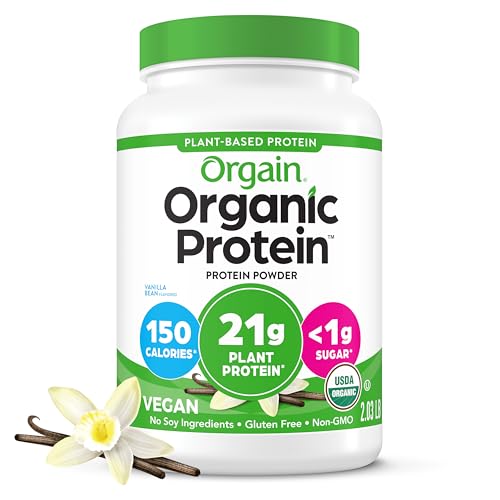
Best for: people seeking an organic plant blend with added gut-support features. Orgain combines organic pea, brown rice, and chia seed proteins, delivering 21g of protein per serving and 6g of prebiotic fiber to support digestion. It is vegan, kosher, and free from dairy, soy, artificial colors, flavors, sweeteners, or preservatives.
Why chosen: The blend emphasizes clean, recognizable ingredients with third-party organic certification, helping buyers who want organic assurance and gut-friendly benefits without added lactose or soy ingredients.
Caution: Some users may prefer unflavored options; this vanilla bean version contains flavor additions that may affect those seeking the simplest ingredient list.
Truvani Organic Plant Based Protein Powder | Vanilla

Best for: buyers seeking a clean label with minimal ingredients. Truvani emphasizes premium, hand-selected ingredients and excludes soy, wheat, dairy, gluten, and stevia. The formula relies on organic pea, pumpkin seed, and chia seeds, with monk fruit sweetener and no added sugars, making it appealing to those monitoring sugar intake.
Why chosen: The brand’s USDA Organic certification and commitment to a transparent, simple ingredient list support reliability for individuals avoiding common allergens and questionable additives.
Caution: Some may find the vanilla flavor less robust than other flavored blends; consider this if you prefer stronger flavor profiles in shakes or smoothies.
Momentous Vegan Protein Powder, Chocolate
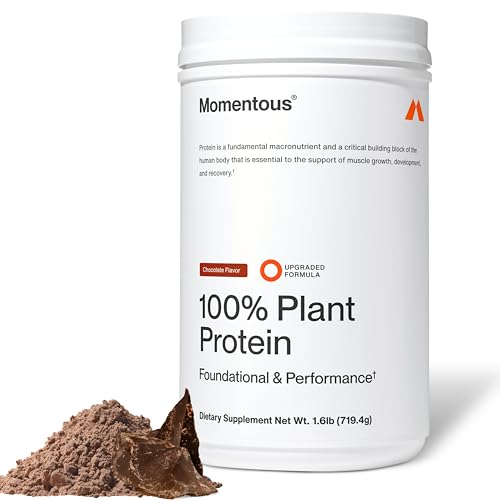
Best for: athletes and active individuals who want a complete, dairy-free protein with high safety standards. Momentous blends pea and rice proteins to deliver a complete amino acid profile, with 20g per serving. The product is gluten-free and tested to ensure safety and purity, appealing to those mindful of contaminants and heavy metals in sports nutrition.
Why chosen: The product’s NSF Certified for Sport testing provides an added layer of assurance for safety and purity, important for those who rely on protein powders as daily performance fuel.
Caution: While chocolate flavor is popular, some users may prefer unflavored or other flavors; check flavor availability if you have taste preferences or dietary restrictions.
NAKED Pea Protein Isolate

Best for: purists seeking a single-ingredient, clean label protein. Naked Pea is 100% yellow pea protein with no additives, artificial sweeteners, flavors, or colors. It’s NSF certified and provides 27g of protein per serving, with minimal sugar and calories, making it suitable for low-carb or keto-friendly diets.
Why chosen: The product’s one-ingredient approach and NSF certification appeal to buyers who prioritize purity and transparency over flavor complexity or added sugars.
Caution: The neutral taste may require flavoring for those who dislike unflavored protein; consider blending with fruits or flavors if you prefer a stronger taste profile.
Buying Guide: Key Considerations For Heavy-Metal-Safe Plant Proteins
What to look for in third-party testing
Look for explicit heavy-metal testing (lead, arsenic, cadmium, mercury) from independent laboratories. Certifications like NSF Certified for Sport or Prop 65 compliance indicate attention to safety and regulatory standards.
Source and processing transparency
Prefer powders with clear sourcing (USA, Canada) and processing details. This helps ensure traceability and reduces the risk of contamination from questionable supply chains.
Total protein per serving and amino acid completeness
Evaluate whether the protein provides a complete amino acid profile (all nine essential amino acids) and how many grams per serving. This matters for muscle maintenance and recovery goals.
Allergen and ingredient considerations
Check for dairy, soy, gluten, or artificial additives. If you have sensitivities, choose products labeled vegan, gluten-free, soy-free, and with minimal additives.
Flavor options and mixability
Flavor and texture influence daily use. Unflavored options work well in savory recipes or baking, while flavored varieties suit shakes and smoothies. Consider mixability to avoid clumps.
Organic and certification status
If organic certification matters, verify USDA Organic status and verify third-party verification for non-GMO or other standards that align with your goals.
FAQ
- Why test for heavy metals in protein powders? Heavy metals can accumulate from soil and manufacturing processes. Independent testing helps ensure safety and quality for daily use.
- Are plant-based proteins as complete as animal proteins? Some blends provide all nine essential amino acids, especially blends of pea, rice, or pumpkin seed. Check the label for completeness per serving.
- Is organic certification important for protein powders? Organic certification indicates avoidance of synthetic pesticides and GMOs in farming, which can align with broader clean-label goals.
- What does NSF Certified for Sport mean? It denotes third-party testing for safety and performance, relevant for athletes and those following strict health standards.
- Can I use these powders in baking? Yes, many plant-based proteins work well in smoothies, shakes, and recipes like pancakes or muffins, but flavor and texture vary by product.
- Should I choose single-ingredient or blended proteins? Single-ingredient options offer purity, while blends can deliver a complete amino acid profile with varied flavors and textures.
Leave a Reply