Best Plant Based Butter Milk Alternatives for Everyday Cooking
For shoppers seeking dairy-free, vegan, or lactose-free butter-like alternatives, this guide highlights five top plant-based options. Each product includes clear use cases, ideal buyers, and practical cautions to help you choose confidently. Ideal buyers range from cooks needing melting performance to those seeking spreadable convenience or pantry-stable ghee substitutes.
Summary of chosen products
| Product | Best For | Notes |
|---|---|---|
| MIYOKO’S CREAMERY Organic Salted Vegan Butter | Traditional butter substitute for cooking and baking | Cultured plant milk base; versatile flavor |
| MIYOKO’S CREAMERY Organic Oat Milk Butter | Spreadable convenience; oat-based | Great for toast and sautéing |
| MIYOKO’S CREAMERY Organic Vegan Butter, Unsalted | Control over salt; baking and cooking | European style cultured plant milk butter |
| JOI Organic Hemp Butter Milk | High-protein base for beverages and recipes | Hemp-derived; squeezable format |
| Earth Balance Plant Butter Original | Everyday cooking and baking | Classic non-dairy butter substitute |
MIYOKO’S CREAMERY Organic Salted Vegan Butter

Best For: Everyday cooking where a dairy-like melt and flavor are desired. Suitable for sautéing, baking, and finishing dishes that benefit from a rich butter taste.
Why selected: This butter uses organic cultured plant milk and offers a one-to-one culinary performance comparable to traditional dairy butter, with dairy-free and kosher certification. The salted version provides ready-to-use seasoning for recipes.
Caution: As a cultured plant butter, heat behavior resembles dairy butter but may have slightly different melting dynamics depending on the recipe. Store in a cool place to maintain texture.
MIYOKO’S CREAMERY Organic Oat Milk Butter

Best For: Spreading on bread or bagels and light sautéing, especially when you want a milder, oat-based flavor.
Why selected: Made from organic cultured oat milk, this spreadable butter is dairy-free, vegan, and palm oil-free, suitable for people avoiding nuts and dairy. It’s particularly convenient for toppings and quick pan-cooking.
Caution: The oat base may influence texture slightly compared with dairy butter in certain baked goods; use as a substitute with testing when precise browning is required.
MIYOKO’S CREAMERY Organic Vegan Butter Unsalted

Best For: Baking and recipes where precise salt control is important, or for customers who avoid salted variants.
Why selected: This unsalted, European-style cultured plant milk butter delivers reliable culinary performance and a clean, versatile flavor that cooks and bakers can trust as a dairy-free substitute.
Caution: Unsalted varieties require added salt in recipes; adjust seasoning accordingly to avoid overpowering or under-seasoning dishes.
JOI Organic Hemp Butter Milk

Best For: Beverages, smoothies, and recipes that benefit from added hemp protein and a creamy, nutty note without dairy.
Why selected: This product adds 5g protein per serving and uses organic hemp to create a non-dairy milk base suitable for a variety of culinary uses. The squeezable format helps with mess-free application in drinks and sauces.
Caution: Hemp-based bases may impart a distinct flavor; best for recipes where a hemp note is complementary rather than masking other ingredients.
Earth Balance Plant Butter Original
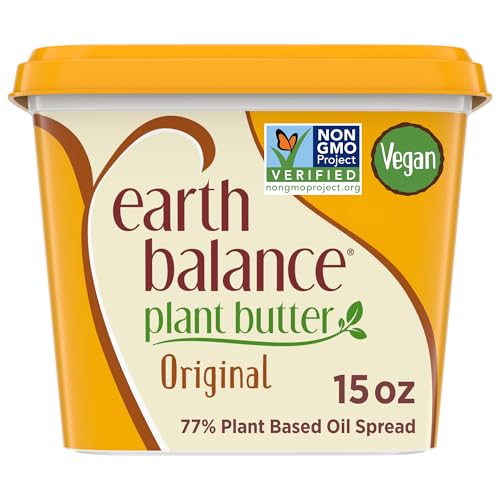
Best For: Everyday cooking, baking, and spreading with broad compatibility to vegan and dairy-free diets.
Why selected: A classic non-dairy butter alternative made with plant-based oils, designed to substitute dairy butter one-for-one in most recipes. It provides flavor and versatility across a wide range of dishes.
Caution: Some people note differences from dairy butter in high-heat browning; monitor heat and timing when searing or sautéing to manage texture and color.
Buying Guide
Key considerations when choosing a plant-based butter milk substitute:
- Flavor profile: Salted vs unsalted, cultured notes, and base (coconut, oat, hemp, etc.). Choose according to your typical recipes and preferred taste.
- Texture and melt behavior: Spreadable versus hard solid, and how it melts in cooking or on bread. For baking, substitutes with stable butter-like performance are preferred.
- Allergen and dietary needs: Dairy-free, vegan, kosher, gluten-free, nut-free, and palm oil-free options cater to different dietary restrictions.
- Usage versatility: Consider if you need a product for spreading, sautéing, baking, or beverage applications, and whether a shelf-stable or refrigeration-dependent option suits your pantry.
- Ingredient transparency: Look for cultured plant milk bases, organic certification, and absence of artificial additives when possible.
Practical comparisons
- Best for traditional butter-like cooking: MIYOKO’S CREAMERY Organic Salted Vegan Butter or Unsalted version, due to cultured plant milk base and strong culinary performance.
- Best for spreadable convenience: MIYOKO’S CREAMERY Organic Oat Milk Butter, because it’s designed for easy spreading and versatile kitchen use.
- Best for high-protein beverages or specialty recipes: JOI Organic Hemp Butter Milk, offering 5g protein per serving and a squeezable format.
- Best overall everyday substitute: Earth Balance Plant Butter Original, a widely compatible option for many recipes and daily use.
Frequently asked questions
- What makes plant-based butter different from dairy butter? It uses plant-based fats and sometimes cultured bases to mimic butter’s texture and flavor, without dairy.
- Can I substitute plant-based butter for all dairy butter in recipes? In most baked goods and everyday cooking, yes, but adjust salt and flavor depending on the product.
- Is shelf stability an issue with plant-based butters? Some are shelf-stable, while others require refrigeration after opening; check the product label for storage guidance.
- Are these options suitable for vegan diets? Yes, all listed products are vegan-friendly and dairy-free.
- Which is best for baking? Unsalted varieties typically offer the most predictable results in recipes that rely on precise salt and moisture balance.
- Do these products have added preservatives or gums? Many emphasize minimal additives; always review the ingredients list to confirm.
Leave a Reply