Best Pellets for Chicken Feed: Top Layer Pellets for Healthy Lays
If you’re shopping for chicken layer pellets, you want a feed designed to support strong eggs, healthy shells, and good feather quality. This guide highlights five widely available options, explains who they’re best for, and compares features like protein levels, calcium, and added nutrients. Use this to choose the pellet that matches your flock’s age, breed, and laying goals. A quick buyer’s table follows the intro to help you compare at a glance.
| Product | Best For | Key Benefit |
|---|---|---|
| Purina Layena Pellets (50 lb) | Backyard hens laying well on standard diets | Marigold extract for yolk color, balanced minerals, essential amino acids |
| Manna Pro Layer Pellets (16% Protein, 8 lb) | Smaller flocks needing Omega-3 and digestion support | Omega-3 enrichment, probiotics, high calcium, no antibiotics or artificial colors |
| Manna Pro All Flock Crumbles (8 lb) | Mixed flocks (chickens, ducks, and other birds) | Versatile crumble texture, supports diverse birds with balanced nutrients |
| Scratch and Peck Layer Pellets (25 lb) | Soy-free, organic-minded flocks | No soy, no fillers, USDA Organic and Non-GMO Project Verified |
| Purina Layena+ Omega-3 (9 lb) | Egg quality enthusiasts seeking higher omega-3s | Omega-3 enriched, gut-friendly probiotics, strong shells |
Purina Layena Pellets, 50 Lb

Features include added marigold extract for rich yolk color, a high level of xanthophyll, and balanced calcium, manganese, and trace minerals for strong shells. Essential amino acids such as lysine and methionine are included to support egg production and feather quality. This pellet form minimizes waste and is designed for laying hens of various ages. Best for backyard flocks seeking consistent egg color and reliable production. Limitations include the lack of explicit probiotic claims in the listed features; consider complementary gut-health options if needed.
Manna Pro Layer Pellets, 16% Protein

Best for smaller flocks needing omega-3 support and strong shells. The formula emphasizes omega-3 enrichment and extra calcium, with probiotics to aid digestion and nutrient absorption. It is a complete layer feed without antibiotics or artificial colors or flavors, making it attractive for health-conscious keepers. A potential limitation is the smaller bag size (8 lb) which may require more frequent purchases for larger flocks.
Manna Pro All Flock Crumbles, 8 lb
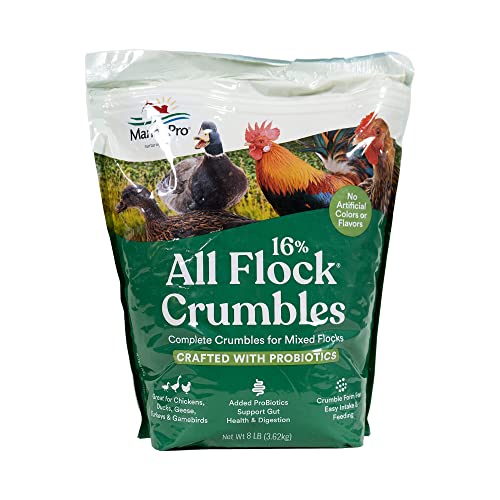
Best for mixed flocks, including chickens and ducks. This product provides a complete all-flock feed in crumble form, which is easy to eat across species. It supports diverse birds with a balanced nutrient profile. The crumble texture is a strength for easy consumption; however, it may be less convenient for very picky birds that prefer pellets. Consider co-feeding with separate grains if needed for picky feeders.
Scratch and Peck Layer Pellets, 25 lb
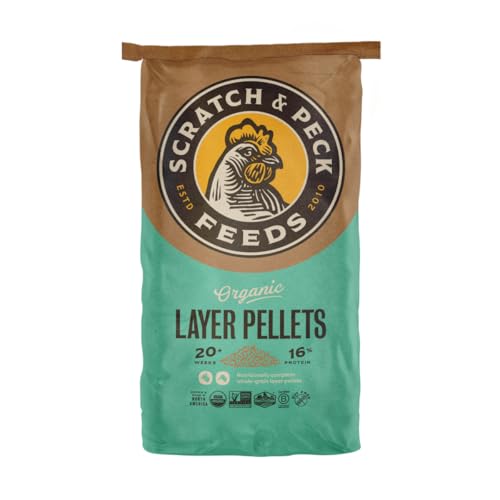
Best for flocks seeking a naturally sourced feed. This pellet feed emphasizes nourishment without soy, medications, or fillers, and it aligns with USDA Organic and Non-GMO Project Verified standards. It’s ideal for health-conscious owners who prioritize clean, minimal-ingredient nutrition. The primary limitation is the absence of explicit omega-3 or fortified mineral details in the listed features; you may need to supplement if you require specific nutrient targets.
Purina Layena+ Omega-3, 9 Lb

Best for egg quality enthusiasts who want higher omega-3 per egg. This feed includes live probiotics and prebiotics to support gut health, along with oyster shell and vitamins for strong shells and nutritious eggs. It’s a good pick for those aiming to increase omega-3 content in eggs. A caution: omega-3 enrichment can vary based on overall diet; results may vary with hen health and other dietary factors.
Buying Guide
What to consider when choosing layer pellets for your flock:
- Protein level: Most laying hen formulas use around 14–16% protein. Higher protein can support rapid laying in young birds; lower protein suits mature layers with slower production.
- Calcium and minerals: Adequate calcium is essential for eggshell strength. Look for formulas listing calcium, phosphorus, and trace minerals.
- Omega-3 enrichment: If you want higher omega-3 eggs, choose a formula that explicitly includes omega-3 fatty acids and probiotics to aid digestion.
- Texture: Pellets reduce waste; crumbles are easier for younger birds or mixed flocks but may increase waste if birds scatter them.
- Soy and additives: If avoiding soy or artificial ingredients, consider soy-free or organic options and verify certifications (USDA Organic, Non-GMO Project Verified).
- Flock type: Mixed flocks may benefit from all-flock feeds; single-species flocks can target specific needs like higher calcium or omega-3.
- Bag size and feeding schedule: Larger bags reduce restocking frequency but require longer storage. Match bag size to flock size and production goals.
Frequently Asked Questions
- What is the main purpose of layer pellets?
Layer pellets provide a complete diet designed to support egg production, shell strength, and overall health in laying hens.
- Should I choose omega-3 enriched pellets?
Omega-3 enriched pellets can increase omega-3 content in eggs. They are useful if you want higher nutritional value in the eggs, but results depend on overall diet.
- Are probiotics important in chicken feed?
Probiotics support digestion and nutrient absorption, potentially improving health and steady egg production when paired with a balanced diet.
- Is soy-free feed better?
Soy-free feeds appeal to flocks with soy sensitivities or owners seeking simpler ingredient lists, but verify that the diet still meets all nutritional needs.
- How do I decide between pellets and crumbles?
Pellets reduce waste and are easier to store; crumbles are easier for young or smaller birds to eat and can be gentler on a flock with varied beak sizes.
- How often should I rotate feeds?
Rotate feeds cautiously and monitor egg production and flock health. Abrupt changes can affect digestion; introduce new feed gradually.
Leave a Reply