Best Peanut Butter Baby Powders and Foods for Early Allergy Introduction
Answering parents’ questions about safe early peanut exposure, this guide highlights the best peanut-related baby foods and powders for early allergen introduction. It is ideal for caregivers seeking simple, ingredient-conscious options to introduce peanuts and tree nuts to babies around 4 months and older. The list below focuses on products that are easy to mix into cereals, yogurt, pouches, or homemade meals, and that emphasize clean ingredients without added sugars or artificial colors. The top picks are best for busy parents who want clear guidance on who each product is best for.
| Product | Best For | Why It Stands Out |
|---|---|---|
| Lil Mixins Allergen Introduction Daily Mix for Babies | Infants starting early allergen exposure | Contains peanut, tree nut, and egg protein; easy daily use; clean, non-GMO ingredients |
| Lil Mixins Early Allergen Introduction Peanut Powder for Babies | Babies beginning peanut introduction | Pure peanut mix-in; simple 2-scoop approach; organic peanut content |
| PB2 Powdered Peanut Butter (6.5 oz) | Families seeking lower-fat peanut option | 85% less fat and calories; versatile for many meals |
| Nourishing Nippers Early Allergen Introduction | Comprehensive allergen exposure | Includes 14 allergens; convenient packaging for on-the-go |
| Naked 1.5 lb Powdered Peanut Butter | Adults or caregivers who want bulk, pure peanut powder | Single-ingredient peanuts; GMO-free and no additives; US-made |
Lil Mixins Allergen Introduction Daily Mix for Babies

Best for: Parents who want a simple, all-in-one allergen introduction option. This daily mix-in makes it easy to add peanut, tree nut, and egg protein into a baby’s diet with a single packet per day. Use 4 oz of cereal, yogurt, pouches, puree jars, or homemade meals. Suitable from around 4 months, with 1-2 uses per week, continuing through one year of age. Features emphasize non-GMO ingredients, no sweeteners, 0 g sugar, and no color or additives.
Why chosen: It combines multiple early allergens in one convenient product, reducing the number of separate items needed. The product’s clean ingredient statement supports parents prioritizing minimal processing and no added sugars. Caution: the mix-in should be introduced gradually to monitor for any adverse reactions; consult a pediatrician if there is a family history of allergies.
Lil Mixins Early Allergen Introduction Peanut Powder for Babies

Best for: Parents who want a focused peanut introduction with a clear, simple dosing plan. This product uses organic ground peanuts as its base and recommends 2 scoops into 4 oz of a compatible feeding, 1-2 times per week from around 4 months through the first year. It emphasizes non-GMO, no sweeteners, 0 g sugar, and no color or additives.
Why chosen: The emphasis on organic content and straightforward dosing supports parents who want a clean peanut-only option. Limitation: as with any peanut exposure, reactions can occur; medical guidance is advised for infants with eczema or a family history of allergies.
PB2 Powdered Peanut Butter, 6.5 oz

Best for: Families seeking a low-fat peanut option suitable for a wide range of meals. PB2 is 85% less fat and calories than traditional peanut butter, with packaging dimensions listed to help plan pantry space. It can be mixed into cereals, yogurts, or baked goods. Features show compact packaging and a focus on lower fat.
Why chosen: The reduced-fat profile is ideal for calorie-conscious feeding, while still delivering peanut flavor. Caution: check the ingredient list for any added sweeteners or additives in specific varieties; some PB2 products may have added flavors.
Nourishing Nippers Early Allergen Introduction

Best for: Parents wanting a broader allergen exposure program from early infancy. The product bundle contains 14 allergens, including peanut, egg, and milk, aimed at reducing allergy development risk through early and steady exposure. Packaging is designed for easy serving with pouches or jars, suitable for travel and home use.
Why chosen: A broader allergen approach can be advantageous for families with multiple allergies to monitor. Limitation: the extensive allergen mix requires careful observation for potential reactions; consult a pediatrician for personalized guidelines.
Naked 1.5 Lb Powdered Peanut Butter

Best for: Caregivers who want a bulk, single-ingredient peanut powder with minimal processing. Naked PB is made from US farm peanuts with no additives, no sugar, and no salt. Each serving provides about 9 g of protein and 60 calories, making it versatile for homemade baby foods and family recipes when used in small, age-appropriate portions.
Why chosen: The single-ingredient approach reduces exposure to potential additives, and US-made sourcing supports transparency. Limitation: this product is a bulk powder that may require more careful storage and portioning for infant use; always ensure suitability for infant feeding beyond guideline age.
PB2 6.5oz Organic Powdered Peanut Butter
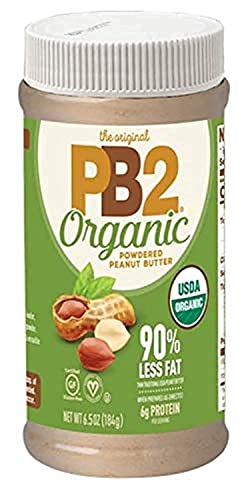
Best for: Buyers seeking organic certification and a non-GMO verified option. This product is gluten-free and uses only organic peanuts, salt, and sugar, offering 6 g of protein per serving with 90% less fat and 70% fewer calories than traditional peanut butter. The packaging emphasizes USA grown and made.
Why chosen: Organic certification adds assurance for families prioritizing organic ingredients. Caution: sugar is listed in the ingredients, so consider overall sugar intake in the baby’s diet and consult pediatric guidance for infant use.
HAPPY BABY Nutty Blends, Banana & Peanut Butter
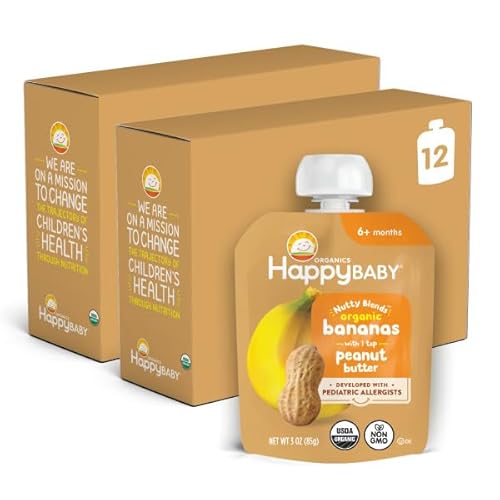
Best for: Parents seeking a ready-to-serve baby snack with a familiar flavor pairing. Nutty Blends combine banana and peanut butter in a baby-friendly texture that can be consumed from a pouch or spooned into foods. It reflects collaboration with pediatric allergists for safe allergen introduction strategies.
Why chosen: The product aligns with guidelines encouraging allergen inclusion; the texture is suitable for early finger foods and smooth transitions to table foods. Limitation: availability and on-hand stock may vary; always check for age-appropriate textures for your baby.
Buying Guide
Key considerations when choosing peanut-related baby foods and powders:
- Age suitability: Many products target infants as young as 4 months. Confirm the product’s recommended starting age before use.
- Allergen scope: If you want broad exposure, choose products containing multiple allergens; for peanut-focused introduction, select peanut-only options.
- Ingredient quality: Look for non-GMO, organic, or single-ingredient formulations if you prefer minimal additives and sugars.
- Texture and serving method: Some products mix into cereals or yogurt; others come in pouches. Consider your baby’s feeding stage and your daily routine.
- Storage and shelf life: Powdered peanut products require dry storage; bulk options demand proper portioning to maintain freshness.
- Medical guidance: If there is a family history of allergies or eczema in the baby, consult a pediatrician before starting early allergen introduction.
Frequently Asked Questions
- Q: When should I start introducing peanut to my baby?
- A: Many guidelines suggest starting early, around 4 months, with increasing frequency as tolerated and advised by a pediatrician.
- Q: Can peanut powder be mixed in any baby food?
- A: Peanut powder can be mixed into cereals, yogurts, pouches, or homemade meals, following age-appropriate texture recommendations.
- Q: What is the benefit of organic peanut powder?
- A: Organic peanut powder avoids synthetic pesticides and often aligns with general preferences for whole-food ingredients.
- Q: Are there safety concerns with early allergen introduction?
- A: While early exposure can help some infants, observe for reactions, and consult a healthcare professional if there is a family history of allergies or if the baby has eczema.
- Q: How do I choose between peanut powder and peanut butter for my baby?
- A: Powdered forms offer easier portion control and less mess; peanut butter is convenient for older babies with more developed feeding skills, but watch for added sugar and salt.
- Q: Do these products replace meals or snacks?
- A: They are supplementary to a balanced diet and should be integrated into regular meals or snacks as part of a varied feeding plan.
Leave a Reply