Best Peanut Butter Snacks for Toddlers: Safe, Healthy Options for Tiny Hands
Choosing the right peanut butter products for toddlers involves balancing taste, texture, nutrition, and allergen safety. The items below spotlight toddler-friendly peanut puffs, bars, and spreads from trusted brands. Each option emphasizes simple ingredients, age-appropriate textures, and convenient packaging to support early nutrition and allergen introduction where guidance suggests. Use this guide to compare textures, ingredients, and serving ideas for your child’s snacking routine.
Summary of selected products
| Product | Brand | Notes |
|---|---|---|
| Earth’s Best Peanut Butter Puffs 2 oz (Pack of 6) | Earth’s Best | Organic, Kosher, Gluten Free; light, melt-in-mouth texture |
| Gratify Bamba Peanut Butter Snacks for Families | Osem | Four-ingredient puff snack; grain-free option; protein per serving |
| Puffworks Baby Organic Peanut Butter Puffs | Puffworks | USDA Organic, Non-GMO, Gluten-Free; single-serve puffs |
| Osem Bamba Peanut Snacks for the Whole Family | Osem | All-natural, peanut puff snacking with family-friendly packs |
| Mission Mighty Me Nutty Puffs | MISSION MIGHTY ME | Pediatrician-developed; higher peanut content; kid-friendly texture |
Earth’s Best Peanut Butter Puffs 2 oz (Pack of 6)

Earth’s Best Peanut Butter Puffs are designed as a gentle introduction to peanut flavors. The puffs are organic, kosher, and gluten-free, which can help parents seeking clean ingredient lists. The light, airy texture makes them easy for toddlers to pick up and munch, reducing the risk of large choking samples. Each puff blends peanut base with a simple corn puff structure, offering protein and energy without added sugars. For busy families, the six-pack format provides ready-to-pack snacks for daycare or road trips. When introducing peanut products, consider your child’s allergy history and consult pediatric guidance as needed.
Gratify Bamba Peanut Butter Snacks for Families

Bamba Peanut Butter Snacks offer a classic, simple snack with four natural ingredients: ground peanuts, ground corn, sunflower oil, and salt. There is no added sugar, artificial flavors, or preservatives, aligning with parents seeking clean-label options. They’re naturally gluten-free and oven-baked for a light, crunchy texture. With around five grams of plant-based protein per serving, these puffs balance taste with meaningful nutrition, and their family-pack format supports sharing and development of toddler palate acceptance. Monitor portions for younger toddlers and consider how the texture matches your child’s chewing skills.
Puffworks Baby Organic Peanut Butter Puffs
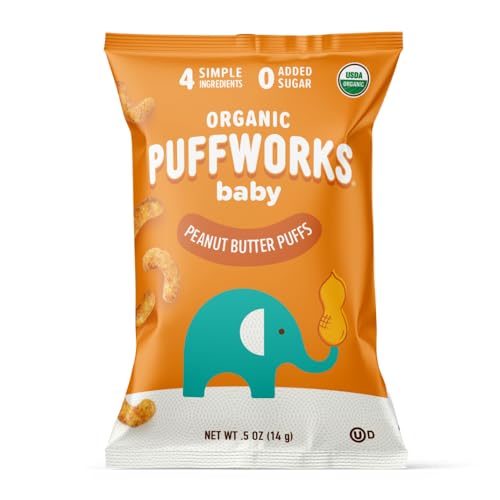
Puffworks offers baby-ready peanut butter puffs in a small, portable format. Made with USDA Organic certified ingredients and Non-GMO verification, these puffs emphasize clean labeling. They’re gluten-free and kosher, making them a flexible option for families with dietary preferences. The bite-sized puffs dissolve quickly, which can aid early self-feeding while reducing choking risk when served in age-appropriate textures. Parents may appreciate the straightforward ingredient list and the confidence of organic certification as a signal of quality and care in infant and toddler nutrition.
Osem Bamba Peanut Snacks for the Whole Family

Osem’s Bamba line remains a staple for many families seeking a peanut-based snack with a familiar crunch. These peanut butter puffs are marketed toward families, with a focus on natural ingredients and allergen-friendly introduction as part of a varied diet. Their puffs are baked to deliver a crunchy texture that eases into toddler chewing stages, and the 16-pack option supports households with multiple snack times or daycare needs. Parents should consider portion sizes and watch for individual allergy considerations when introducing peanut products.
Mission Mighty Me Nutty Puffs

Mission Mighty Me Nutty Puffs are pediatrician-developed snacks designed to ease peanut introduction with a melt-in-mouth texture. They emphasize the inclusion of more than 50% peanuts and sorghum, offering a nutrient-rich bite that’s suitable for babies starting solids and toddlers seeking a familiar peanut flavor. Developed in collaboration with research on early allergen exposure, these puffs balance nutrition and allergen safety guidance. The product line’s meltable texture supports self-feeding and reduces choking risk for younger children, while preserving the flavor children love.
Buying Guide: Key Purchase Considerations for Toddlers
- Texture and age appropriateness: Choose products with textures that match your child’s chewing development. Soft melts or easily dissolvable puffs reduce choking risk for younger toddlers, while small crunch bites can help older toddlers with practicing chewing.
- Ingredient quality and certifications: Organic, Non-GMO, kosher, and gluten-free certifications can be important for families with dietary restrictions. Look for simple ingredient lists, avoiding added sugars or artificial flavors where possible.
- Allergen considerations: Peanut introduction should follow pediatric guidance and allergy history. Start with small amounts and observe for any adverse reactions. Some products pair peanuts with other nuts or grains; be mindful of cross-contact claims and packaging.
- Packaging and serving size: Single-serve puffs or small snack packs enhance portability and portion control, especially for daycare or travel. Larger jugs or family packs are convenient for home snacking but require supervision to manage portions for toddlers.
- Nutritional balance: Look for products that provide a reasonable protein source and energy without excessive sugar. Consider accompanying the snack with a fruit or vegetable to round out a mini-meal.
- Allergen introduction strategy: If your child is just starting peanut-containing foods, consult pediatric guidelines or a healthcare professional, and consider products designed for early introduction with smooth textures and tolerable flavors.
- Flavor variety and texture variety: Rotating among different formats (puffs, bars, spreads) can help toddlers get used to diverse textures and tastes, potentially expanding acceptance of peanut-based foods.
Note: This article presents product options that align with common toddler nutrition goals. Brands and product lines may rotate, and regional availability can vary. Always read current ingredient lists and packaging to ensure safety for your child’s needs.
Leave a Reply