Best Pasta With Zero Carbs: Top Zero-Carb Noodle Choices for Keto, Low-Carb, and Gluten-Free Diets
Answering the search for zero-carb pasta options, this guide compares five popular zero-carb or very-low-carb pasta substitutes. Each product is best suited for specific needs—keto dieters, weight-conscious eaters, gluten-free households, or anyone seeking a traditional pasta feel without the carbs. Below, you’ll find who each pasta is best for, plus practical limits to consider before buying.
| Product | Best For | Net Carbs | Notes |
|---|---|---|---|
| It’s Skinny Shirataki Konjac Low Carb Keto Pasta Variety Pack | Keto and gluten-free diets | 0 net carbs per serving | High fiber konjac; vegan and non-GMO |
| Carbe Diem! Penne Pasta | Low-carb, calorie-conscious meals | 55% fewer net carbs than traditional pasta | Wheat-based with added protein and fiber |
| Pete’s Pasta Spaghetti, No Carb | Traditional-style pasta flavor with zero net carbs | 0g net carbs | Authentic Italian technique; two no-carb options available |
| Hethstia Konjac Noodles, Shirataki | Low-carb, gluten-free meals for variety | Very low carbs; near-zero calories | Chewy texture holds sauces well |
| Keto Naturals Low Carb Ramen Noodles | Low-carb ramen and quick meals | 0 net carbs | Gluten-free, vegan options |
It’s Skinny Shirataki Konjac Low Carb Keto Pasta Variety Pack

Best for keto followers who want easy, zero-carb meals. This pack products konjac-based noodles that deliver 0 net carbs per serving and only 4.5 calories, aligning with strict keto and gluten-free plans. It is vegan, Kosher, and Non-GMO. Choose this if you need a flexible pasta base that blends into sauces without impacting ketosis. A potential limitation is the distinct texture that some may not prefer compared with traditional pasta.
Carbe Diem! Penne Pasta

Best for those who want a traditional wheat-based texture with lower net carbs and calories. Carbe Diem Penne claims 55% fewer net carbs and about 110 calories per serving, achieved by milling wheat and adding protein and fiber back into the formula. It uses three simple ingredients and aims for classic al dente texture. Best for pasta lovers who want familiar taste and mouthfeel with a carb-conscious approach. Limitation: still contains wheat; not suitable for gluten-free diets.
Pete’s Pasta Spaghetti, No Carb + Low Carb Pasta

Best for authentic Italian flavor with zero or very low carbs. Pete’s Pasta spaghetti emphasizes traditional Italian technique from organic durum wheat semolina, slow-dried for an al dente finish. It offers a zero-carb option and a lower-carb choice, catering to different carb-control goals. Choose this if you want genuine pasta texture without the guilt of high carbs. Caution: as with other durum-based pastas, portion control remains important to maintain carb goals.
Hethstia Konjac Noodles, Shirataki
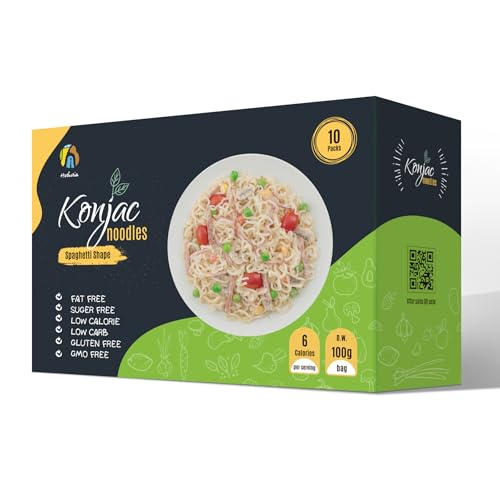
Best for a flexible low-carb daily meal plan. Hethstia Konjac Noodles deliver a near-zero carb, low-calorie option that remains vegan-friendly and gluten-free. The noodles have a chewy texture that holds up in sauces, making them suitable for stir-fries and spaghetti dishes. Limitation: some users report a subtle odor if not rinsed and prepared properly, so follow preparation steps for best results.
Keto Naturals Low Carb Ramen Noodles

Best for comforting bowls and quick meals without the carbs. Keto Naturals ramen noodles are described as gluten-free, vegan, and low-calorie, designed to fit ketogenic and low-carb lifestyles. The zero-carb assertion supports ketosis-friendly planning. Consider this option for ramen substitutes, but be aware that flavor and texture can differ from traditional ramen depending on sauce and toppings.
Buying Guide: Key Considerations When Choosing Zero-Carb Pasta
- Carb content and net carbs: Confirm whether the product lists net carbs per serving and how that aligns with your daily goals.
- Diet compatibility: Check for vegan, kosher, gluten-free, or Non-GMO claims to match dietary needs.
- Texture and mouthfeel: Konjac-based noodles have a distinct chew; wheat-based low-carb options mimic traditional pasta but contain gluten.
- Preparation and shelf life: Some konjac noodles are ready-to-eat after rinsing; others benefit from brief heating to improve texture.
- Serving size and portion control: Packaged servings vary; align portions with your meal plan to maintain carb targets.
- Flavor and sauce compatibility: Consider how the pasta holds sauces and whether you prefer al dente versus softer textures.
FAQ
- What does “zero net carbs” mean on these products? Net carbs are total carbohydrates minus fiber and sugar alcohols; a zero net carb claim indicates those subtractive components reduce the effective carb load per serving.
- Are these pastas suitable for gluten-free diets? Some products are explicitly gluten-free (e.g., konjac-based options), while others use wheat and are not gluten-free. Always check the label.
- Can I substitute these for regular pasta in any recipe? Yes, but texture and cooking times differ. Sauces should be adjusted for best results, especially for chewy konjac noodles.
- Do zero-carb pastas taste like traditional pasta? Flavor varies by product. Wheat-based low-carb options aim to closely mimic traditional pasta, while konjac noodles have a distinct texture and mouthfeel.
- Which option is best for keto dieters? Konjac-based pastas with 0 net carbs per serving are typically best for strict keto plans.
- Do any of these products contain animal products? Most konjac-based pastas are vegan; check each product’s features for confirmation.
Leave a Reply