Best Organic Whole Rye Flour for Rustic Breads and Baked Goods
This guide helps buyers choose the best organic whole rye flour for authentic rye breads, pumpernickel, and other hearty bakes. It highlights five top options, explains who each flour is best for, and points out practical considerations such as texture, flavor, and baking performance. The selections are geared toward home bakers seeking clean, organic ingredients and reliable results. Use the quick-reference table below to compare key details at a glance.
| Product | Best For | Size | Notes |
|---|---|---|---|
| King Arthur Organic Medium Rye Flour | Complex flavor breads | 3 lbs | Certified organic; darker color; Non-GMO Project Verified |
| Bob’s Red Mill Organic Dark Rye Flour | Traditional rye breads and rustic loaves | 20 oz | Stone-ground; full-bodied flavor |
| Great River Milling Organic Dark Rye Flour (5 lb) | Sourdough and artisan loaves | 5 lb | Whole grain, non-GMO, Kosher; unbromated |
| Central Milling 100% Organic Whole Dark Rye Flour | German/Nordic style breads | 25 lb | 100% organic; whole rye; unbleached |
| Great River Milling Organic Dark Rye Flour (2 lb) | Everyday rye breads and pastries | 2 lb | Whole grain; clean-label |
King Arthur Organic Medium Rye Flour

Best for bakers seeking a robust, complex rye flavor in breads and cookies. This organic flour is 100% grown and milled in the USA and carries Non-GMO Project Verification. The medium rye blend provides more bran and a darker color than white rye flour, which enhances aroma and depth in rye breads, cookies, and quick breads.
Who it’s for: home bakers focusing on rich rye loaves, rye chocolate chip cookies, or rye banana bread. Why selected: its balance of flavor and versatility makes it a reliable go-to for traditional and modern rye recipes, with a clearly organic and non-GMO profile.
Limitations: The darker color and stronger flavor may require adjusting hydration and fermentation times for lighter rye recipes.
Bob’s Red Mill Organic Dark Rye Flour

Best for traditional rye breads and rustic loaves with a hearty, full-bodied flavor. This flour is stone-ground to preserve bran, germ, and endosperm, delivering nutrient-rich depth. It is 100% stone-ground from premium organic rye berries using traditional millstones, ensuring consistent results.
Who it’s for: bakers who want an authentic, rustic rye profile in pumpernickel and European-style loaves. Why selected: the stone-ground approach helps maintain texture and flavor integrity through longer ferments.
Caution: Dark rye can be more challenging to work with for beginners due to its denser texture and need for careful hydration management.
Great River Milling Organic Dark Rye Flour (5 lb)
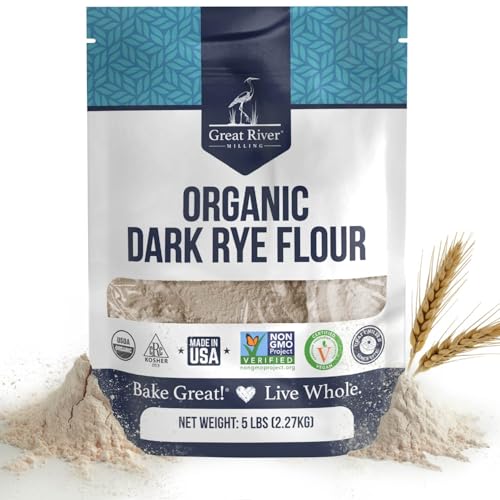
Best for artisan bakers seeking a clean-label rye with deep earthy notes. This whole grain rye flour is non-GMO, Kosher, and unbromated, delivering rich, old-world flavor ideal for sourdough starters, rustic loaves, crackers, and bagels.
Who it’s for: serious rye enthusiasts and sourdough practitioners who value heritage grains and unbleached processing. Why selected: larger 5 lb package supports bigger batches and longer-term projects without compromising flavor.
Caution: Whole rye flavor can shift with fermentation; plan for longer rises if used in quick breads.
Great River Milling Organic Dark Rye Flour (2 lb)

Best for everyday rye breads and pantry-friendly baking. This whole grain rye flour offers deep color and rich flavor with clean-label assurance—non-GMO and Kosher certified, with no bleaching or bromation.
Who it’s for: home bakers who want reliable rye performance in smaller batches or test runs. Why selected: compact size is ideal for trial use before committing to larger bags.
Limitation: smaller package may require more frequent purchases for ongoing large-batch projects.
Buying Guide: Organic Whole Rye Flour Essentials
What should you consider when buying organic whole rye flour? Here are practical questions to guide your choice.
- What is the rye flour’s grind level? Dark rye flours retain bran and germ for stronger flavor and color, while medium or light rye may yield milder aromas and lighter textures.
- Is the flour certified organic and non-GMO? Organic certification and Non-GMO verification provide assurance about farming practices and ingredient purity.
- What is the intended use? For traditional rye breads and sourdough, darker, heartier flours are often preferred. For cookies or pastries, you might choose a flour with a slightly lighter profile.
- What is the package size and shelf life? Larger bags are economical but require storage space and stable moisture control; smaller bags are convenient for experimentation.
- How does hydration change with rye? Rye absorbs water differently than wheat. Plan for longer fermentation or adjustable water ratios when adapting recipes.
- Is the flour unbleached and unbromated? Clean-label options avoid chemical bleaching and bromation, preserving natural flavors.
Quick Comparison By Key Traits
- Flavor intensity: Dark rye (Bob’s Red Mill, Great River Milling) tends to be more pronounced than medium rye (King Arthur).
- Best for traditional loaves: Great River Milling and Central Milling provide robust, rustic textures suitable for sourdough.
- Organic and non-GMO assurance: All listed products carry organic or non-GMO verifications; confirm certification on the product page before purchase.
- Package sizing: Options range from 2 lb to 25 lb; choose based on baking frequency and storage capacity.
Frequently Asked Questions
- What is organic whole rye flour best used for? Typical uses include rye bread, pumpernickel, sourdough starters, and rustic baked goods with earthy notes.
- How do I substitute rye flour for wheat flour? Rye has different gluten properties and gluten development. Use rye with rye-specific recipes or blend with wheat flour, and adjust hydration.
- Does rye flour need a longer rise? Rye doughs often benefit from longer fermentation times to develop flavor and structure, especially with darker rye.
- Is all rye flour gluten-free? No. Rye contains gluten, though weaker than wheat gluten; individuals with celiac disease should avoid rye.
- Are there health benefits to organic rye flour? Organic products avoid synthetic pesticides, and whole rye retains bran and germ, contributing fiber and minerals.
- Can I refrigerate or freeze rye flour? Yes, storing in a cool, dry place extends shelf life. For long-term storage, freezing is also effective.
Leave a Reply