Best Organic Non-Gmo Formula Options for Your Baby
When shopping for organic non-GMO formula, you want options that closely resemble breast milk’s nutrients and support your baby’s digestion, growth, and immune health. This buyer’s guide highlights five top picks suitable for different needs, from routine supplementation to sensitive-t tummy support. Each product is explained with who it’s best for and why it’s a strong choice. A quick summary table follows to help you compare at a glance.
| Product | Best For | Key Benefit |
|---|---|---|
| Earth’s Best Organic Baby Formula 0-12 Months | All babies needing standard organic formula | Iron-fortified with DHA/ARA and prebiotics |
| Similac Organic Infant Formula (Powder) | Parents seeking USDA organic, non-GMO | Model after breast milk; no artificial growth hormones |
| Similac Organic Infant Formula (Ready-to-Feed) | On-the-go feeding | Convenient RTF option without mixing |
| Happy Baby Organics Stage 1 | Infants needing probiotics and prebiotics | Gut-friendly blend with immune support |
| Earth’s Best Organic Sensitivity 0-12 Months | Babies with gentle-to-digest needs | Reduced lactose formula with iron and DHA/ARA |
Earth’s Best Organic Baby Formula for 0-12 Months
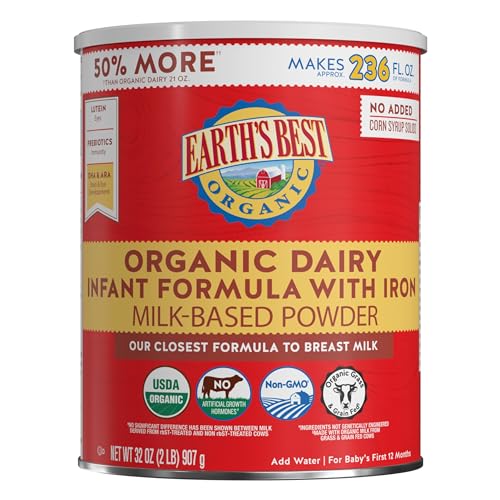
Best for: families seeking a dairy-based organic formula with iron and brain-supporting nutrients. This formula mirrors breast milk’s nutrients through DHA and ARA, while lutein and prebiotics support immune and eye development. It’s designed to be easy on little tummies and approved to meet FDA infant nutrition requirements. Use as a supplement to breastfeeding or as a full replacement during the first year.
Why selected: It combines organic dairy with essential fatty acids and prebiotics, aligning with common infant nutrition standards. It avoids added corn syrup for a cleaner ingredient profile.
Caution: This product is dairy-based; consider alternative formulas if your baby shows dairy sensitivity. Always consult a pediatrician for feeding decisions.
Similac Organic Infant Formula, Ready to Feed
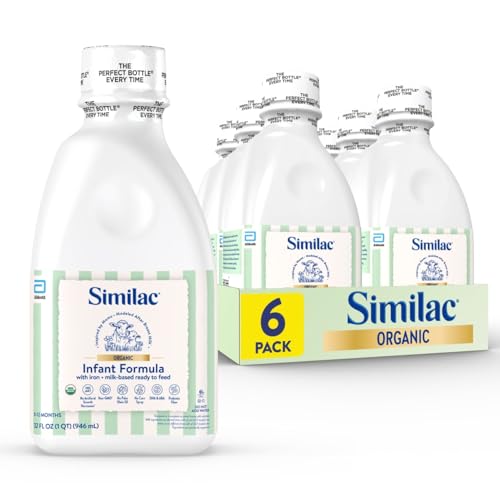
Best for: parents who need a convenient, ready-to-use organic formula without mixing. Great for busy households, travel, or late-night feeding. Ready-to-feed options reduce preparation time while maintaining USDA organic certification and non-GMO status.
Why selected: Combines organic certification with a no-mix format, minimizing preparation errors. It’s formulated to be free of artificial growth hormones, palm olein oil, and corn syrup.
Caution: Ready-to-feed options can be more expensive per ounce. Keep refrigerated after opening and use within the product’s indicated window.
Similac Organic Infant Formula, Powder

Best for: caregivers who prefer a traditional powder formula with a robust organic profile. It is modeled after breast milk to support development during the first year and is USDA-CERTIFIED ORGANIC and non-GMO.
Why selected: Emphasizes “what’s left out matters”—no artificial growth hormones, palm olein oil, or corn syrup, aligning with common non-GMO and organic preferences.
Caution: Requires accurate preparation and sanitation; follow the included mixing guidelines to ensure correct nutrition delivery.
Happy Baby Organics Stage 1 Infant Formula

Best for: infants needing gastrointestinal support with probiotics and prebiotics. This stage focuses on gut bacteria balance and immune development, aiming to resemble breastfed infants’ digestion.
Why selected: It’s the only USDA organic formula in this set that combines both probiotics and prebiotics at levels close to breast milk within organic options, plus DHA/ARA for cognitive development.
Caution: Probiotic blends vary by brand; check for any baby-specific sensitivities before switching formulas.
Earth’s Best Organic Sensitivity Infant Formula
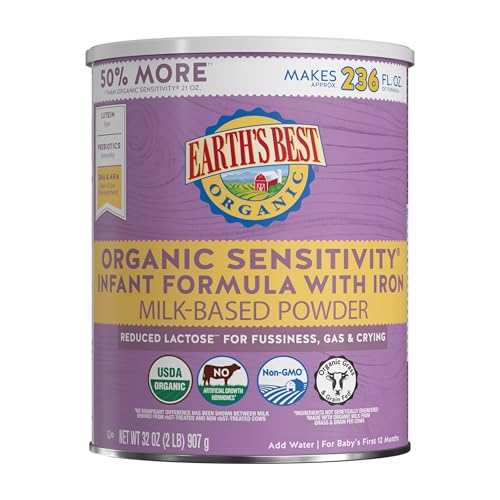
Best for: babies who may benefit from a reduced-lactose option with iron and essential fatty acids. This formula supports digestion while providing DHA and ARA for brain and eye development.
Why selected: Reduced lactose can help fussiness or gas in some infants, and it maintains the organic, non-GMO standard with the same essential nutrients as other varieties.
Caution: Reduced lactose does not mean lactose-free; assess tolerance and discuss persistent symptoms with a pediatrician.
Buying Guide: Organic Non-GMO Formula Essentials
What to consider when choosing organic non-GMO formula for your baby:
- Age range and stage: Match formula to your child’s age (0-12 months, 6-12 months, etc.) and whether you choose stage-appropriate blends with prebiotics or probiotics.
- Organic certification and ingredients: Look for USDA Organic, non-GMO labeling, and absence of corn syrup, artificial growth hormones, and palm olein oil where possible.
- Digestive support: If your baby has sensitive digestion, consider formulas with reduced lactose, probiotics, or prebiotics to support gut health.
- Convenience vs. cost: Ready-to-Drink formulas save time, while powders can be more economical but require proper preparation.
- Allergies and sensitivities: Dairy-based formulas suit most infants, but alternatives exist for those with dairy sensitivities; consult a pediatrician for guidance.
- Medical considerations: For premature babies, special needs, or doctors’ recommendations, prioritize formulas designed to address those conditions.
Frequently Asked Questions
- What defines an organic non-GMO baby formula?
Organic certification ensures farming practices avoid synthetic pesticides, while non-GMO ensures ingredients are not genetically engineered. - Is ready-to-feed formula safer than powder?
Both types meet infant nutrition standards when prepared correctly; RTD offers convenience, while powder requires precise mixing. - Can I switch formulas if my baby has tummy troubles?
Yes, but do so under pediatric guidance to monitor tolerance and nutrient intake. - What should I look for in a sensitive or reduced-lactose formula?
Check for digestive-support ingredients, appropriate iron levels, and whether the product is specifically labeled for sensitive tummies. - Do organic formulas differ in DHA/ARA content?
Yes, DHA and ARA levels vary by brand; compare label amounts to align with neurodevelopment support goals. - How long can I store an opened formula container?
Follow manufacturer guidance; typically refrigerate ready-to-use formulas and use powders within the recommended window after opening.
Leave a Reply