Best Organic Japanese Green Tea Picks for Every Morning
Looking for authentic organic green tea from Japan? This guide highlights five top options that deliver genuine Japanese flavor, consistent quality, and clear organic certifications. The best-fit buyers include daily tea drinkers seeking convenience, traditional loose-leaf enthusiasts, and those wanting eco-friendly packaging. Below you’ll find concise product highlights, who each tea is ideal for, and practical buying tips to compare at a glance.
| Product | Type | Best For | Key Benefit |
|---|---|---|---|
| YAMASAN KYOTO UJI Organic Sencha Loose Leaf | Loose Leaf | Daily loose-leaf lovers | High-quality Uji Sencha with traditional steaming |
| FGO Organic Matcha + Green Tea, 100 Count | Tea Bags (Matcha + Sencha) | Convenient tea bag users | Eco-conscious bags with USDA Organic |
| FGO Organic Sencha Green Tea, 100 Count | Tea Bags | Green tea lovers seeking simple brewing | USDA Organic certification |
| TOMOSAN Organic Sencha | Loose Leaf | Flavor-purists and health-minded | Fully sun-grown, first-class leaves |
| YAMASAN KYOTO UJI Japanese Sencha 100% First-Harvest | Loose Leaf | Premium first-harvest tea seekers | shincha quality with refined aroma |
YAMASAN Kyoto Uji Organic Sencha Loose Leaf

Type: Loose leaf organic sencha sourced from Uji, Kyoto. Certification: 100% organic by JONA & JAS. Process: traditional gentle steaming preserves nutrients and delivers a refreshing, umami-rich taste. The blend emphasizes first-harvest Yabukita and Saemidori cultivars for balance. Best for daily sipping with flexibility in brewing strength.
Who it’s best for: Tea drinkers who value authentic Kyoto sencha and a collaborative, small-batch approach to freshness. Why selected: It reflects a long-standing Uji tradition and farm-to-cup quality with clear organic credentials. Caution: Loose-leaf tea can require more precise brewing to avoid bitter notes if over-steeped.
FGO Organic Matcha + Green Tea, 100 Count

Type: Tea bags combining organic matcha and sencha leaves, packaged in eco-conscious bags. Certification: USDA Organic. Packaging: Abacá hemp fiber paper, dye-free and chlorine-free. Best for: Busy mornings or office use where quick, reliable cups are desired. Why chosen: Combines convenience with organic integrity and sustainable packaging. Caution: Tea bags may include a blend that subtly alters flavor versus pure loose leaf.
FGO Organic Sencha Green Tea, 100 Count
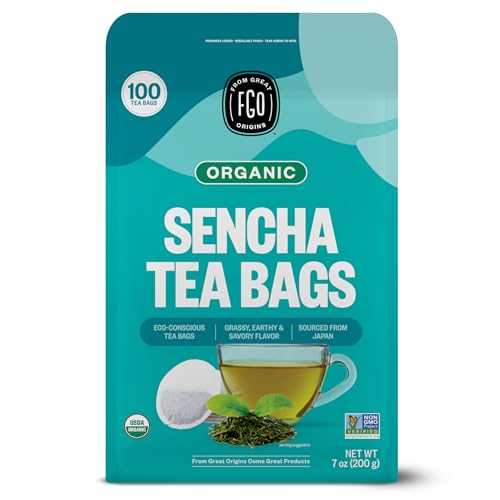
Type: Tea bags with organic sencha leaves. Certification: USDA Organic. Packaging: Abacá Hemp Fiber Paper bags, no dyes or chlorine. Best for: Fans of classic sencha seeking a reliable daily cuppa. Why chosen: Emphasizes pure sencha flavor with organic assurance and sustainable packaging. Caution: Tea bags may not deliver the depth of flavor found in premium loose leaf sencha.
TOMOSAN Organic Sencha – Loose Leaf

Type: Premium organic sencha loose leaf. Certification: USDA Certified. Origin: Grown in Uji/Kyoto region with full sun exposure for a distinctive profile. Best for: Tea enthusiasts who want a robust yet balanced cup with a bright aroma. Why chosen: Described as a vibrant, refreshing Sencha with a blend of first-flush leaves. Caution: Loose leaf can vary in strength; adjust infusion time to avoid excessive bitterness.
YAMASAN KYOTO UJI Sencha 100% First-Harvest

Type: Loose leaf sencha made from first-harvest buds (shincha). Certification: Noted for first-harvest quality, with vibrant color and aroma. Best for: Connoisseurs seeking premium shincha-like experience and refined sweetness with balanced astringency. Why chosen: Highlights the premium early-season harvest, preserving fresh sweetness and aroma. Caution: May be pricier and slightly more delicate to brew than standard sencha.
Buying Guide: Organic Japanese Green Tea Essentials
What to consider when choosing organic Japanese green tea:
- Tea form: Loose leaf versus tea bags. Loose leaf often offers richer flavor and flexibility in steeping, while tea bags provide convenience and consistency.
- Origin and cultivar: Look for Uji, Kyoto region origins and cultivars like Yabukita or Saemidori for balanced sweetness and umami.
- Organic certification: Verify USDA Organic, JONA, or equivalent certifications to ensure product integrity.
- Harvest type: First-harvest shincha offers brighter aroma and fresh sweetness, while standard harvests deliver steady flavor.
- Package sustainability: Eco-friendly bags or compostable packaging can matter for environmental impact.
- Brewing guidance: Follow recommended water temperature and steeping times to avoid bitterness, particularly with loose leaf.
Frequently Asked Questions
- What defines organic green tea from Japan?
Organic green tea from Japan is produced without synthetic pesticides or fertilizers and carries official organic certifications. - Is matcha included in organic green tea selections?
Yes, some products combine matcha with green tea leaves in organic form, often as convenient tea bags. - Which tea is best for beginners?
Organic sencha tea bags are typically easiest for beginners due to straightforward brewing and mild flavor. - What is shincha and why does it matter?
Shincha is the first harvest; it offers brighter aroma and sweeter notes, preferred by those seeking premium freshness. - How should I store organic green tea?
Store in a cool, dark place in an airtight container to preserve flavor and freshness. - Are eco-friendly tea bags as good as traditional ones?
Eco-friendly bags can be comparable in flavor; choose bags that preserve aroma and avoid chlorine-bleach materials.
Leave a Reply