Best Non Dairy Non Whey Protein Powder Options for Clean Plant-Based Protein
Yes, you can find non-dairy, non-whey protein powders that deliver complete plant-based protein without dairy, eggs, or soy. This guide highlights five top non-dairy options ideal for workouts, post-workout recovery, or daily protein supplementation. Each product is vegan-friendly, soy-free (where noted), and designed to support muscle recovery, appetite control, and overall wellness. The following picks suit different needs: high protein per serving, probiotic-enriched blends, lactose-free or gluten-free formulas, and varieties with prebiotic fiber. A quick comparison table is provided below to help you choose at a glance.
Summary table of selected products:
| Product | Best For | Key Benefit |
|---|---|---|
| OWYN Only What You Need Pro Elite | Vegans seeking 30g protein and greens blend | High protein, greens, probiotics, sugar-free |
| Vega Essential Protein | Daily plant protein with smooth texture | Creamy vanilla, easy blending, dairy-free |
| EarthChimp Organic Vegan Protein Powder with Probiotics | All-day protein with probiotics | Organic, probiotics, no added sugar |
| Orgain Organic Vegan Protein Powder Vanilla Bean | Versatile shakes and recipes | Organic, prebiotic fiber, plant-based |
| Orgain Organic Vegan Protein Powder Natural Unsweetened | Unflavored, low sugar option | Very low sugar, versatile flavor use |
OWYN Only What You Need Pro Elite High Protein Powder

Best for: Vegan athletes and busy individuals who want a complete protein boost with greens and probiotics. This formula delivers 30g of plant protein per serving, using organic pumpkin seeds, chia, and pea proteins to supply all nine essential amino acids and BCAAs. It is gluten-free, dairy-free, soy-free, egg-free, non-GMO, kosher, and free of artificial colors, flavors, and preservatives. A greens blend (kale, spinach, broccoli) and 2B CFU probiotics support digestion and daily health. Choose this if you want a single, all-in-one protein solution with minimal ingredients and no added sugar.
Caution: While sugar-free, some users may notice a distinct plant protein taste; mix with beverages or recipes to improve palatability. Not ideal for those who require dairy-based flavors.
Vega Essential Protein – 25g Plant Based Protein Powder

Best for: Those who want a smooth, dairy-free vanilla protein that blends easily into shakes and baking without clumping. Vega Essential Protein provides 25g of plant-based protein per serving and is designed for everyday use, including smoothies and no-bake recipes. It emphasizes a clean ingredient list for sensitive stomachs and aims to minimize bloating. The powder is dairy-free and suited for people seeking a reliable, versatile vegan option for meals and workouts.
Limitations: It may not be as high in protein per scoop as some other formulas, and some flavors can have a stronger taste that may require pairing with other ingredients.
EarthChimp Organic Vegan Protein Powder With Probiotics
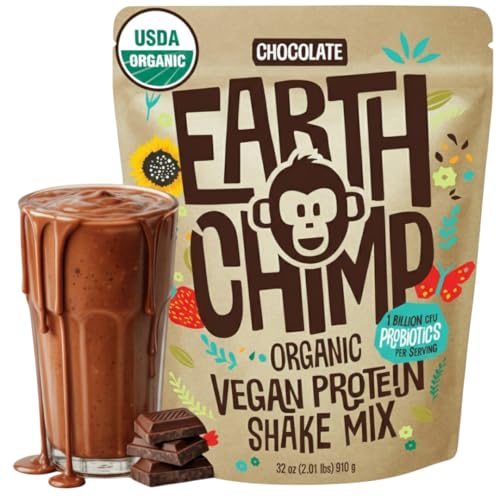
Best for: People seeking an organic vegan protein powder with added probiotics for gut health. EarthChimp offers 20g of plant protein per serving along with probiotics and is dairy-free, gluten-free, and non-GMO. It emphasizes a natural taste with no added sugars or sugar alcohols. This option is suitable for daily protein supplementation and gut-friendly nutrition as part of a balanced diet.
Consideration: Flavor balance is generally smooth, but some might prefer a sweeter profile or a flavor like chocolate or vanilla depending on taste preferences.
Orgain Organic Vegan Protein Powder, Vanilla Bean
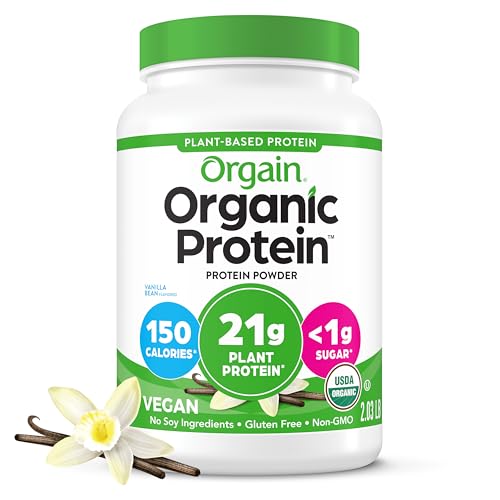
Best for: Shakes and smoothies that benefit from a standard vanilla flavor and additional fiber. Orgain’s Vanilla Bean formula provides 21g of plant protein per serving, plus 6g of prebiotic fiber and no lactose ingredients. It is vegan, gluten-free, kosher, and non-GMO, with no soy or artificial additives. Choose this if you want a versatile powder that blends well in recipes and beverages while supporting gut health with prebiotic fiber.
Limitation: Some users may notice a milder flavor, so pairing with fruit or spices can enhance overall taste.
Orgain Organic Vegan Protein Powder Natural Unsweetened

Best for: Those who want unflavored, highly adaptable protein to mix into recipes, smoothies, or cooking. This natural unsweetened version provides 21g of organic plant protein per serving with less than 1g sugar and 4g of prebiotic fiber. It is vegan, gluten-free, kosher, and non-GMO, with no added sugars or artificial flavors. This powder is ideal for customizing flavor profiles and using in savory dishes or baking.
Limitation: Unflavored protein can taste bondless on its own; blending with fruits or spices is often necessary to achieve a pleasant flavor.
Buying Guide: Non-Dairy, Non-Whey Protein Powder Decisions
What matters most for selecting a vegan protein powder?
- Protein content per serving: Higher protein options support muscle synthesis, recovery, and satiety. Compare g per scoop and consider BCAAs.
- Ingredient quality: Look for organic, non-GMO, gluten-free, dairy-free, soy-free labels if you have sensitivities. Avoid artificial flavors and sweeteners if you prefer clean ingredients.
- Digestive comfort: Probiotics, prebiotic fiber, and gentler protein sources can reduce bloating and support gut health.
- Flavor flexibility: Vanilla and unsweetened options offer versatility in shakes and recipes. Consider your taste preferences and how you plan to use the powder.
- Allergen considerations: If you avoid soy, dairy, or gluten, verify certifications and cross-contamination notes on the label.
- Certifications: Look for USDA Organic, non-GMO, kosher, and third-party testing where important to you.
How should you use non-dairy plant-based protein powder?
- Post-workout recovery: Mix with water, plant milk, or a smoothie for rapid protein intake after training.
- Meal replacement or snack: Combine with fruits, oats, or yogurt alternatives to create balanced meals.
- Cooking and baking: Use in smoothies, protein pancakes, muffins, or energy bars to boost protein content.
Flavor and texture considerations
- Vanilla and chocolate flavors blend well with most ingredients but may vary by brand in sweetness or aftertaste.
- Unflavored powders offer maximum versatility but require flavoring from other ingredients.
- Some blends include greens, probiotics, or fiber which can impact texture and taste; adjust with additional liquids if needed.
What about price and value?
Per-serving cost, protein density, and added benefits (probiotics, greens, or prebiotic fibers) determine value. Organic and probiotic options may have higher price points but can offer additional wellness benefits beyond protein alone.
FAQ
- Are plant-based proteins as effective as whey for muscle growth? Yes, when consumed with adequate total daily protein and proper training, plant-based proteins can support muscle synthesis and recovery.
- Do these products contain dairy? All listed options are dairy-free and non-dairy; some may include other potential allergens—check labels carefully.
- Can I use these powders in cooking? Yes, many plant-based proteins work well in smoothies, baking, and recipes. Unsweetened versions are particularly versatile.
- Do these powders contain added sugars? Some flavors include sugar or sweeteners; others are sugar-free or unsweetened. Review nutrition labels for specifics.
- Are probiotics included in vegan protein powders beneficial? Probiotics may support gut health; if that matters to you, choose blends that explicitly include probiotic strains.
- Which should I choose if I want the most protein per scoop? Look for products listing the highest protein grams per serving, typically around 20–30g per serving.
Leave a Reply