Best No Salt Added Foods for Healthier Meals
No Salt Added foods help manage sodium intake while still delivering flavor and nutrition. This guide highlights five suitable options across pantry staples, protein, and seafood to fit everyday meals. Each product is chosen for clear no-salt claims, practicality, and versatility for American households. The buyer can target heart-healthy cooking, low-sodium dieting, or simple, convenient meal prep with these picks.
| Product | Best For | Why Picked |
|---|---|---|
| Heinz Tomato Ketchup With No Salt Added | Kids’ meals, classic condiments | Very low sodium, convenient inverted squeeze bottle |
| Snyder’s of Hanover Mini Unsalted Pretzels | Snacking, lunchboxes | Unsalted, fat-conscious snack option |
| StarKist No Salt Added Tuna | Quick protein | Low sodium, high protein, versatile |
| Beach Cliff Sardines No Salt Added | Meal prep, pantry staple | No salt added, high protein |
| Wild Planet No Salt Added Tuna | Healthy seafood choice | Wild-caught, no salt added, Omega-3 rich |
Heinz Tomato Ketchup With No Salt Added Inverted Squeeze Bottle

Best for families seeking a familiar condiment with minimal sodium. This ketchup contains 96% less sodium than regular ketchup, with 5 mg of sodium per serving, making it suitable for kids’ meals, burgers, and dipping. It is made from red-ripe tomatoes for fresh flavor. The inverted squeeze bottle adds convenient, no-muss sharing during meals. A potential limitation is that it is not salt-free in absolute terms, so those requiring zero sodium should choose alternatives.
Snyder’s of Hanover Mini-Unsalted Pretzel

Best for a crunchy, low-sodium snack. The mini-pretzels are unsalted, making them a better choice for salt-conscious snacking or lunchboxes. They’re fat-free per the product description, which can be a plus for calorie-aware diets. A caveat is that even unsalted pretzels may contain trace seasonings; verify packaging if you avoid added flavor enhancers entirely.
Campbell’s Condensed Unsalted Cream of Chicken Soup

Best for cooking and sauce bases with reduced sodium. This unsalted cream of chicken soup serves as a versatile ingredient in recipes like creamy dishes and roux bases. While labeled unsalted, it notes being not completely sodium-free, so it should be used as part of a broader salt-control plan. It’s well-suited for cooks who want a neutral base to season themselves.
StarKist Selects No Salt Added Chunk White Albacore Tuna in Water

Best for high-protein lunches and quick meals. This tuna provides 30 g of protein per serving with only 35 mg of sodium per 2-ounce portion, making it a strong choice for heart-health-conscious diets. The product emphasizes careful hand-filleted, dolphin-safe tuna with a clean taste. A limitation is that it is not entirely salt-free, so monitor sodium in overall meal planning.
Wild Planet Albacore Wild Tuna, No Salt Added

Best overall seafood option for no-salt diets. Wild Planet’s no-salt-added tuna is wild-caught, pole-and-line caught, and provides 21 g of protein per 3-ounce serving with 705 mg DHA/EPA omega-3s. It is gluten-free and keto-friendly, offering a robust protein source with minimal added salt. A potential limitation is that, like other canned fish, individual taste may vary between batches.
Hormel Premium Chunk Chicken Breast in Water, No Salt Added
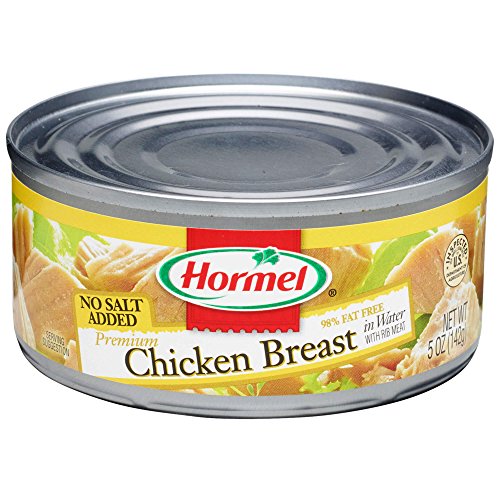
Best for ready-to-eat protein on-the-go. This chunk chicken breast is 98% fat-free with 9 g of protein per serving, offering a convenient way to add lean protein to salads, wraps, or bowls. It presents a no-salt-added option within a shelf-stable format. A caveat is that some buyers might still prefer lower-sodium alternatives depending on dietary goals.
Buying Guide: No Salt Added Foods
What to consider when choosing no-salt-added foods:
- Purpose: Are you stocking snacks, pantry staples, or fresh-meal ingredients?
- Sodium levels: Understand the target sodium per serving and how it fits your daily goal.
- Ingredients: Look for products with simple ingredients and minimal additives beyond salt.
- Protein and nutrition: For snacks or meals, prioritize protein, fiber, and healthy fats as needed.
- Versatility: Pick items that can be used across multiple meals to reduce waste and simplify planning.
How to plan meals with no-salt-added items:
- Use canned fish or chicken as bases for salads, wraps, or quick pastas.
- Pair unsalted snacks with flavorful, salt-free seasonings or citrus for brightness.
- Combine low-sodium soups with fresh vegetables to create hearty braises and sauces.
Practical tips for buyers
- Check serving sizes to ensure sodium goals align with portion control.
- Test flavors gradually; some no-salt-added products rely on higher sugar or spices for taste.
- Store shelf-stable options in a cool, dry place to maximize freshness.
Frequently asked questions
- What does “no salt added” mean on canned foods? It means no salt is added during processing. It may still contain naturally occurring sodium from ingredients.
- Are no-salt-added products suitable for a strict zero-sodium diet? Not always. Some items may still contain small amounts of sodium; check nutrition labels carefully.
- Can I still season foods if I use no-salt-added products? Yes. Use herbs, spices, citrus, or salt-free seasoning blends to enhance flavor.
- Do no-salt-added foods taste the same as regular products? Flavor can vary. Some products rely on acidity, sweetness, or fats to compensate for salt.
- Which no-salt-added option is best for lunch? Canned tuna variants like StarKist No Salt Added or Wild Planet No Salt Added Tuna offer convenient protein for sandwiches or bowls.
- Are all no-salt-added products healthier? Not automatically. Review nutrition facts for calories, fats, and added sugars to fit your dietary needs.
Leave a Reply