Best Natural Fermented Soy Sauce: Top Picks for Rich Umami
Discover authentic, naturally fermented soy sauces that bring depth and balance to your cooking. This guide highlights five standout options, explained for different kitchen needs—from home cooks seeking pure ingredients to chefs requiring robust flavor for sashimi, marinades, and stir-fries. Each product is evaluated for suitability, aroma, and umami strength to help you choose wisely.
Product Overview
Below is a quick reference to the five recommended soy sauces. The table helps compare core traits side by side so you can pick the best match for your dishes and pantry goals.
| Product | Best For | Key Points |
|---|---|---|
| Yamaroku Shoyu Artisan Barrel Aged 4 Year | Gourmet meals, pure umami | Aged 4 years in Kioke barrels; simple ingredients; no preservatives |
| Takesan Kishibori Soy Sauce | Depth and complexity | Naturally brewed over a year; slow mash pressing; rich hishio moromi |
| Yamaroku Shoyu Artisan Barrel Aged 4 Year (5 oz) | Compact pantry use | Same tradition, smaller bottle; versatile for small portions |
| Eden Organic Tamari Soy Sauce | Gluten-free, non-GMO | USDA organic soybeans; naturally fermented; drop/pour dispenser |
| Sempio Naturally Brewed Soy Sauce 701 | Authentic Korean flavor | High fermentation index; bold umami; versatile in Korean dishes |
Yamaroku Shoyu Artisan Barrel Aged 4 Year Soy Sauce Tsuru Bishio 18 oz

This soy sauce uses 100-year-old Kioke wooden barrels and is aged for four years to deliver a refined, pure umami. Ingredients are limited to soybeans, wheat, salt, and water with no preservatives or artificial coloring. Best for gourmet dishes and any recipe where a clean, natural soy flavor is desired. Choose this if you value traditional fermentation and a balanced sweet-salty profile. Caution: a longer aging process can mean a more pronounced salt presence, so adjust salt in recipes accordingly.
Who it’s best for: Home chefs and gourmets seeking authentic, traditional soy sauce with a deep, complex aroma.
Yamaroku Shoyu Artisan Barrel Aged 4 Year Soy Sauce Tsuru Bishio 5 oz

This smaller bottle captures the same traditional properties: four-year barrel aging, pure ingredients, and a versatile flavor profile suitable for sushi, sashimi, ramen, and light glazes. Best for cooks who want a premium soy sauce on a compact shelf or who carry a bottle to guest kitchens. Better for those who use soy sauce in smaller quantities but still demand depth. Limitation: the smaller volume may require more frequent restocking for heavy users.
Who it’s best for: Individuals needing a premium, compact option without sacrificing authenticity.
Eden Organic Tamari Soy Sauce

This product uses non-GMO organic USA soybeans and offers a naturally fermented tamari style soy sauce. It is gluten-free and comes in an amber glass bottle with a dispenser cap that supports controlled pouring. Best for gluten-sensitive cooks and for those who prefer a pure, clean soy sauce profile without wheat. Choose this if you need a soy sauce that aligns with gluten-free or organic dietary goals. Limitation: tamari can be darker and slightly mellower in sweetness, which may affect certain delicate dishes that require sharper salt notes.
Who it’s best for: Gluten-free and organic-focused kitchens seeking a naturally fermented option.
Sempio Naturally Brewed Soy Sauce: 701
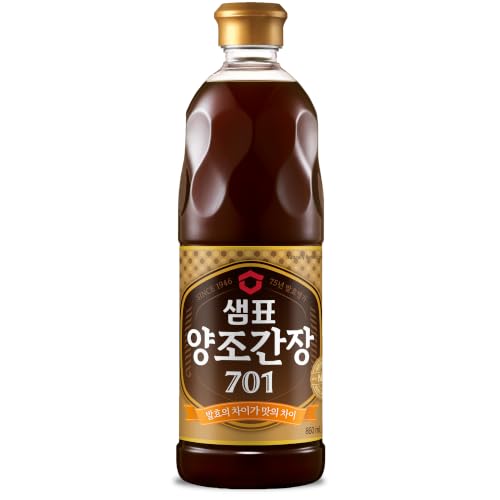
South Korea’s Sempio offers a naturally brewed soy sauce with a high fermentation index, producing deeper umami and a roasted aroma. This sauce balances saltiness with nuanced sweetness and umami, making it a versatile choice for sashimi, bulgogi, stir-fries, ramen, and more. Best for cooks who want a strong, traditional flavor without overpowering other ingredients. Limitation: as with many naturally brewed sauces, flavor notes can vary between batches, so consistency may require tasting during use.
Who it’s best for: Home cooks and professionals seeking a robust, versatile soy sauce for Korean-inspired and pan-Asian dishes.
Buying Guide: How to Choose Natural Fermented Soy Sauce
What type of fermentation matters?
Natural fermentation using traditional koji and long aging yields richer umami and more nuanced aromas. Look for phrases like naturally brewed, barrel-aged, or koji-fermented to ensure traditional processes.
What ingredient notes should you expect?
Best-quality bottles list few ingredients: soybeans, wheat, salt, water. Pure versions avoid preservatives, artificial colors, or fillers. Tamari variants may be wheat-free, offering gluten-free options.
What dietary needs are supported?
Gluten-free diets often prefer tamari or soy sauces labeled gluten-free. Organic and non-GMO claims appeal to certain consumers. Always check labels for allergens and production practices.
How should you use each type?
For delicate sashimi or dressings, choose a lighter, well-balanced sauce like a 4-year Yamaroku or Kishibori. For bold marinades, a robust Sempio or Tamari can stand up to beef, pork, or poultry. For easy table use, smaller bottles that fit your cooking pace are practical.
How important is bottle design?
Dispenser caps and glass bottles help control pouring and preserve flavor. Clear labeling and ingredient lists aid quick decisions during cooking and shopping.
Quick product-fit checklist
- Traditional vs. modern processing: Does your recipe benefit from traditional aging?
- Allergen considerations: Is wheat present? Is gluten a concern?
- Flavor targets: Do you want deep umami, balanced sweetness, or a bold finish?
- Usage pattern: Do you need a large bottle for steady use or a small bottle for limited recipes?
FAQ
- What is naturally fermented soy sauce?
- How should I store natural soy sauces?
- Can I use tamari for non-gluten recipes?
- Which soy sauce is best for sushi?
- Is a higher fermentation index better?
- What about price versus quality?
It is soy sauce produced through traditional fermentation methods, typically without artificial additives, preservatives, or chemical shortcuts, allowing natural flavors to develop over time.
Store in a cool, dark place after opening and reseal tightly. Some prefer refrigeration for extended freshness, though many sauces are shelf-stable when kept sealed and out of direct light.
Yes. Tamari is often gluten-free, making it suitable for gluten-sensitive diets, but always verify the label to confirm.
A lighter, balanced soy sauce such as the Yamaroku 4 Year or Kishibori variants pairs well with sushi, enhancing flavor without overpowering delicate fish.
A higher fermentation index can indicate deeper umami and richer aroma, but it also influences saltiness and intensity. Choose based on the dish and desired finish.
Premium aged and traditionally brewed sauces offer richer, more complex flavors. For everyday cooking, a well-made naturally brewed sauce still provides strong umami without overpowering dishes.
These selections provide a spectrum of natural, fermented soy sauces to suit diverse cooking styles. Whether you seek gluten-free tamari, Korean-intense flavors, or Japanese barrel-aged complexity, the right bottle can elevate marinades, dips, and finishing sauces while keeping ingredients transparent and authentic.
Leave a Reply