Best Premium Rosé Wines for Discerning Collectors
Looking for the most refined rosé wines to expand a collection or elevate a special occasion? This guide highlights five premium rosé options, each chosen for distinctive style, terroir, and drinkability. The selections span classic Provence influences to American boutique producers, helping you compare “best for” scenarios, from celebratory gatherings to food-friendly meals. Below, a concise buying table and detailed product sections provide clear, objective comparisons to aid an informed choice.
| Product | Origin / Style | Best For | Notes |
|---|---|---|---|
| Chateau d’Esclans Whispering Angel Rose | Côtes de Provence, France | Classic Provençal elegance; aperitif lovers | Very pale pink, dry, refined finish |
| Miraval Rose | Cotes de Provence, France | Light, fresh, summer sippers with elegance | Bright aromas, refined acidity |
| Angels & Cowboys Rosé | Provence-inspired, USA | Food-friendly, versatile pairing | Floral notes with citrus and stone fruit |
| Chateau Ste. Michelle Rosé | Columbia Valley, USA | Everyday premium rosé; versatile pairings | Dry, crisp with bright finish |
| Wolffer Summer In A Bottle Rosé | USA, Long Island | Seasonal celebrations and gatherings | Structured, fruit-forward profile |
Chateau d’Esclans Whispering Angel Rosé Review

Product: Chateau d’Esclans Whispering Angel Rosé, 750 mL. Brand: WHISPERING ANGEL. Key features: Import: Côtes de Provence; grown near La Motte en Provence, France; very pale salmon pink color; dry with zero sugar. Best for fans of classic Provençal rosé with a strict, dry profile. Selection reason: A benchmark Provence rosé known for balance and finesse. Limitation: Availability may vary by vintage; exact sweetness can shift slightly by year.
Miraval Rose Review: A Provence Icon

Product: Miraval Rose, Rose Wine, 750 mL Bottle. Brand: MIRAVAL. Features: The Rose is Morava’s pure expression of the terroir of Cotes de Provence; a beautiful light pink color; fresh fruit aromas; refreshing acidity. Best for: Those seeking a delicate, refined rosé with subtle complexity. Selection reason: Highly regarded for terroir-driven expression and drinkability. Limitation: Vintage variation can slightly alter aroma intensity and weight.
Angels & Cowboys Rosé: A Modern Provençal Style

Product: Angels And Cowboys Rosé, 750 mL. Brand: Angels & Cowboys. Features: Provançal-inspired pink color from Grenache; juice fermented in stainless steel; aged sur-lie to develop creamy notes; aromas of mango, citrus zest; flavors of white peach, nectarine, raspberry; lavender finish. Best for: Food pairings and summertime meals that benefit from bright acidity. Selection reason: A balanced, food-friendly rosé with accessible fruit-forward profile. Limitation: Flavor profile can skew fruit-forward for those who prefer bone-dry rosés.
Chateau Ste. Michelle Rosé: American Premium

Product: Chateau Ste. Michelle Rosé, 750 mL Bottle. Brand: Chateau Ste. Michelle. Features: Columbia Valley rosé blend; dry with bright aromas; crisp finish; 12.5% alcohol; versatile to pair with foods. Best for: Those seeking a premium American rosé with dependable acidity and versatility. Selection reason: An established premium option with consistent quality in a West Coast style. Limitation: Some vintages may emphasize acidity more than fruit sweetness, influencing pairing choices.
Wolffer Estate Summer In A Bottle Rosé Review
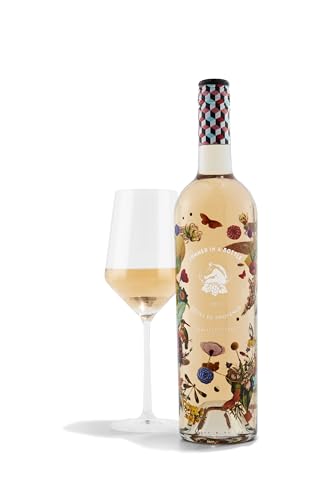
Product: Wolffer Estate Summer In A Bottle Rosé, 750 mL. Brand: WOLFFER ESTATE. Features: Origin USA, Type of Wine: Rosé, Alcohol Content: 12% ABV. Best for: Seasonal celebrations and gatherings where a fruit-forward, structured rosé is desired. Selection reason: A polished Long Island rosé with approachable intensity and stability. Limitation: Availability may be regionally limited; occasional vintages show stronger fruit character than bone-dry styles.
Buying Guide: Key Considerations For Selecting Premium Rosé
- Origin matters: Provence rosés typically offer delicate acidity and subtle fruit, ideal for aperitifs, while American examples may emphasize bolder fruit and structure.
- Dryness and acidity: If you prefer a dry rosé, verify sugar content and finish. A crisp, dry finish pairs well with seafood and salads; sweeter touches may suit fruit-forward dishes.
- Grape composition: Grenache-dominant blends are common in Provence-inspired wines; Pinot Noir or varietal blends in the US can alter aroma profiles and texture.
- Pairing potential: Consider how the rosé will be used—light appetizers, grilled vegetables, seafood, or poultry—as this affects ideal weight and acidity.
- Vintage and availability: Some premium rosés vary by vintage. If a specific year is preferred, confirm its availability and ageability.
- Alcohol content and body: Higher ABV rosés can feel fuller on the palate; lighter styles are often more refreshing in warm weather.
Frequently Asked Questions
- What makes a rosé “premium”?
Premium rosé typically features refined acidity, balanced fruit, and a terroir-driven aroma profile, often from established regions or notable producers. - Is a Provence rosé always the best choice for a party?
Provence rosés are classic and versatile for many occasions, but premium American rosés can offer structure and complementary food pairings. - How should I store rosé to maintain quality?
Store in a cool, dark place; serve chilled but not overly cold to preserve aromas and texture. - Do non-Provence rosés differ significantly in flavor?
Yes. Non-Provence rosés may have more fruit-forward profiles, different acidity, and varied finishing notes based on grape blends. - Is there a preferred glass for rosé?
A tulip-shaped glass concentrates aromas while keeping the wine cool and accessible on the palate. - When should I age a rosé?
Most premium rosés are best young, but some can develop with short-term aging; check vintage notes for guidance.
Leave a Reply