Best Low Sodium Asian Noodles for Healthier Quick Meals
Searching for low sodium Asian noodles that still deliver flavor and convenience? This guide highlights five top options ideal for health-conscious shoppers who want quick, tasty meals without excessive salt. Suitable for busy professionals, families watching sodium intake, vegans, and gluten-free eaters, these picks balance authenticity with wellness. Each product is evaluated for best use-case, packaging, and any notable limitations. Use the brief buying table below to compare key points at a glance.
| Product | |||
|---|---|---|---|
| SUNGIVEN Organic Ramen Noodles (Low Sodium) | 75 mg per serving | Health-minded noodle lovers wanting organic, simple ingredients | Ready in 3 minutes |
| KLDSCP High Protein Ramen (Low Sodium) | 75 mg per serving | Protein-focused meals, plant-based option | 10-pack; protein-forward profile |
| Maruchan Less Sodium Chicken Ramen (3 oz) | 25% less sodium | Families and students seeking familiar flavor with less salt | Classic chicken flavor |
| SUNGIVEN Tomato Ramen Noodles (Low Sodium) | Low sodium; vegetable powder added | Veg-friendly bowls with extra veggie nutrition | Ready in 3 minutes |
| Real Naturals Gluten Free Ramen Noodles | Low sodium; gluten-free | Gluten-free and vegan noodle meals | Rice-based noodles |
SUNGIVEN Organic Ramen Noodles, Low Sodium

Best for health-conscious noodle fans who want organic ingredients with a clear low-sodium profile. The noodles use non-GMO high-gluten wheat flour and emphasize a simple ingredient list, preserving grain flavor without added additives. This option is ideal for those tracking sodium intake or seeking an everyday pantry staple that aligns with organic standards.
- Low sodium: about 75 mg per serving.
- Ready in 3 minutes; convenient for quick meals.
- Non-GMO wheat flour; organic emphasis.
Best for: Busy individuals who value organic ingredients and a chewy noodle texture with minimal seasoning. Caution: flavor is intentionally simple; for bolder taste, pair with a flavorful, low-sodium broth or vegetables.
KLDSCP High Protein Ramen, Low Sodium

Best for protein-forward meals with a plant-based appeal. This option emphasizes a high-protein, low-sodium profile, suitable for those following vegan, non-GMO, or kosher dietary preferences while keeping sodium in check. It pairs well with protein-rich toppings like tofu, edamame, or tempeh.
- Low sodium: about 75 mg per serving.
- 10-pack option offers budget-friendly convenience.
- Plant-based, non-GMO ingredients support various dietary needs.
Best for: Diet-conscious consumers needing extra protein in a quick bowl. Caution: the flavor profile may be milder than classic meat-based ramen, so add umami-boosting, low-sodium toppings.
Maruchan Less Sodium Chicken Ramen
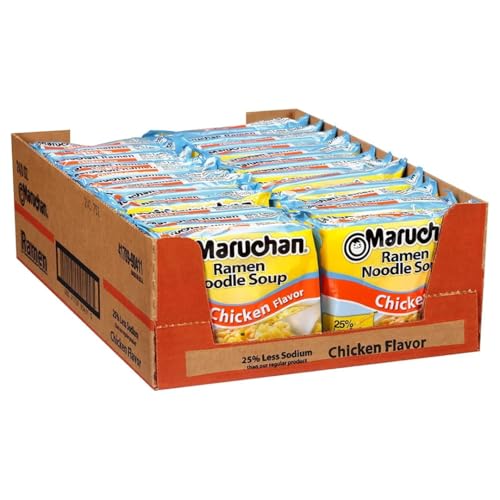
Best for families and students seeking a familiar chicken-flavored ramen with reduced sodium. This option preserves the recognizable taste of Maruchan while dialing back salt content, making it a practical everyday choice for quick meals. It is especially convenient for quick lunches or dorm-room cooking.
- Less sodium: 25% reduction compared to standard versions.
- Versatile customization: add vegetables, proteins, or sauces to tailor flavor.
- Widely available; familiar comfort food appeal.
Best for: Quick, approachable bowls for mixed-age eaters. Caution: sodium reduction may still be higher than some specialty low-sodium noodles; consider pairing with low-sodium toppings to further reduce overall salt per bowl.
SUNGIVEN Organic Tomato Ramen Noodles

Best for vegetable-forward bowls with added nutrition. The tomato variant uses real vegetable powders to deliver over 15% vegetable content, supporting a more colorful, nutrient-dense ramen experience while maintaining a low-sodium profile. Suitable for those who want a familiar noodle base with a natural veggie boost.
- Low sodium with vegetable powder enrichment.
- Ready in 3 minutes; convenient for quick lunches.
- Organic, non-GMO wheat flour standard.
Best for: Noodle bowls that emphasize vegetables without sacrificing speed. Caution: tomato flavor may be lighter for some palates; consider pairing with a low-sodium broth for a richer taste.
Real Naturals Gluten Free Ramen Noodles

Best for gluten-free diets seeking a low-sodium noodle option. Made from rice noodles, these gluten-free ramen provide a suitable alternative for those avoiding gluten while still craving an authentic ramen experience. Works well with a fragrance-rich, low-sodium broth and veggie toppings.
- Gluten-free; vegan-friendly.
- Low sodium suitable for salt-conscious homes.
- Rice-based noodles offer a distinct texture compared to wheat-based options.
Best for: Gluten-free eaters needing a flexible ramen option. Caution: rice noodles can become mushy if overcooked; monitor boiling time closely for best texture.
Buying Guide: How To Choose Low Sodium Asian Noodles
- What is your sodium target? Compare per-serving sodium values listed on product pages and choose options around 75 mg or lower if possible.
- Dietary needs: Do you require vegan, gluten-free, or non-GMO ingredients? Filter by dietary labels to match your lifestyle.
- Flavor and texture: Low-sodium does not have to mean bland. Consider noodles with vegetable powders, tomato formulations, or protein-enriched options to boost taste and nutrition.
- Preparation time: Most options deliver ready-to-eat bowls in 1–3 minutes. For busy days, choose instant variants that align with your mealtime pace.
- Meal customization: Look for noodles that pair well with low-sodium broths, lean proteins, and vegetables to maintain flavor without increasing salt content.
Frequently Asked Questions
- What is considered low-sodium for ramen noodles?
Generally around 75 mg of sodium per serving or less, though exact values vary by brand. - Are gluten-free noodles always low-sodium?
No; gluten-free noodles can have varying sodium levels. Check nutrition labels to confirm. - Can I cook these noodles in advance?
Yes, but texture can change upon reheating. For best results, cook just before serving or store properly. - Do low-sodium noodles lack flavor?
Not necessarily; many use vegetable powders, herbs, or lighter seasonings to preserve taste without excess salt. - Which noodle type is best for vegan diets?
Most of the options listed are vegan-friendly; verify each product’s ingredient list to ensure compliance. - How should I mix low-sodium noodles for a fuller bowl?
Use low-sodium broths, add vegetables, tofu, mushrooms, and a dash of sesame oil or soy-free sauces to enrich flavor.
Leave a Reply